
Travel Guides & Tips in this video
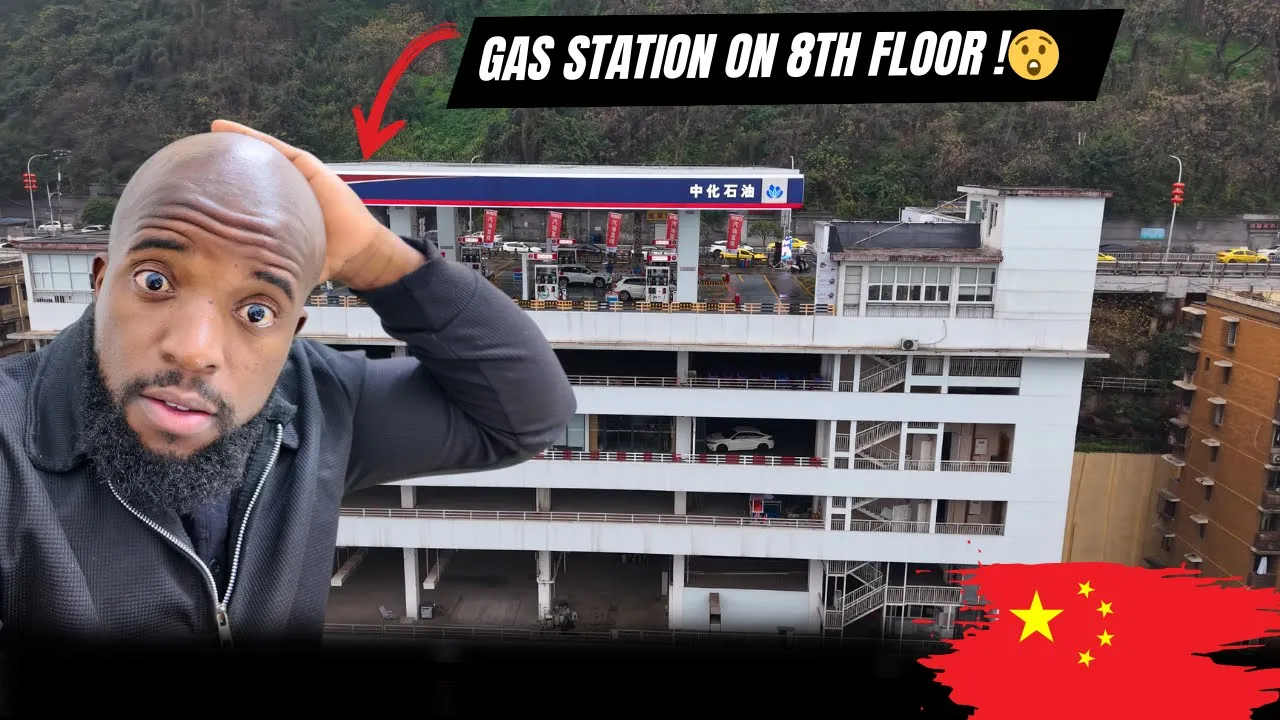
Mike explores Chongqing’s distinctive infrastructure, beginning with a gas station located on the eighth floor of a building. He follows the city’s multi-level layouts and monorail as it passes through buildings and over bridges, then visits the downtown area and Time Square. Along the way he tries local food, sees chili decorations and fresh produce, and discusses the city’s spicy cuisine and unpredictable weather. The episode shows how Chongqing’s mountain geography affects building design and transport, while moving between modern engineering and everyday street scenes.
Next travel video:

More about the current video:()

Eight-floor gas station and monorail
Mike begins in Chongqing with a gas station located on the eighth floor of a building, an example of the city’s unusual vertical layout. Because the terrain is mountainous, a level that feels high in one part of a building can connect with the ground floor of another. He uses the station to introduce how geography shapes the city’s infrastructure and building design.
The tour continues with Chongqing’s monorail, which passes through buildings and across bridges. Mike explains that the transport system is part of how the city handles its dense, uneven terrain. The route shows the scale of engineering required to connect neighborhoods at different elevations. He then explores downtown, where the mix of older and newer structures gives the city its distinctive urban profile.
Time Square, food streets and city scenes
Mike visits Time Square and walks through food streets where new places to eat seem to appear around each corner. Chongqing is known for spicy food and hot pot, and he points out chili decorations and fresh food during his exploration. When ordering, the source notes that even “mild” can still be quite spicy, so visitors should clarify how much heat they want.
The city’s weather can also affect a visit. From January through March, rain can be frequent and unpredictable, so a jacket is useful. Mike’s route captures how unusual building levels, transport, downtown streets and food scenes fit together. The eighth-floor gas station and monorail are striking examples, but the local food and street scenes show more of everyday Chongqing. He moves from the engineering highlights to the city center tower, leaving viewers with a sense of a place where the terrain shapes daily movement and architecture.
Chongqing’s terrain affects more than transportation. The city’s levels can make a building’s upper floor line up with the street outside another entrance, which explains why the eighth-floor gas station appears at ground level from a different side. Mike emphasizes that visitors may encounter unusual layouts as they move between districts. He recommends checking spice levels when ordering because food described as mild can still taste hot. He also mentions carrying a jacket during January through March, when rain is frequent and unpredictable.
The route includes a visit to Time Square, which he compares with the New York landmark, then continues past chili decorations and fresh food. Food streets offer a new stop around many corners and are part of how the city’s residents use its dense urban spaces. The city center tower provides a final look at Chongqing’s vertical development, tying together the gas station, monorail and multi-level buildings that frame the tour.
FAQs (From the traveler's perspective)
- Q: Why is there a gas station on the eighth floor?
- A: Chongqing’s mountain geography creates multi-level streets and buildings. Mike shows a gas station on the eighth floor, which can also connect to the ground level of another structure because of the city’s unusual layout.
- Q: What is unusual about Chongqing’s monorail?
- A: The monorail passes through buildings and across bridges as it navigates the city’s steep terrain. Mike highlights it as an example of the engineering used to connect Chongqing’s different elevations.
- Q: What should visitors know about Chongqing food and weather?
- A: The city is known for spicy food and hot pot, and even a dish labeled mild can be quite spicy. Rain can be frequent and unpredictable from January through March, so a jacket may be useful.
