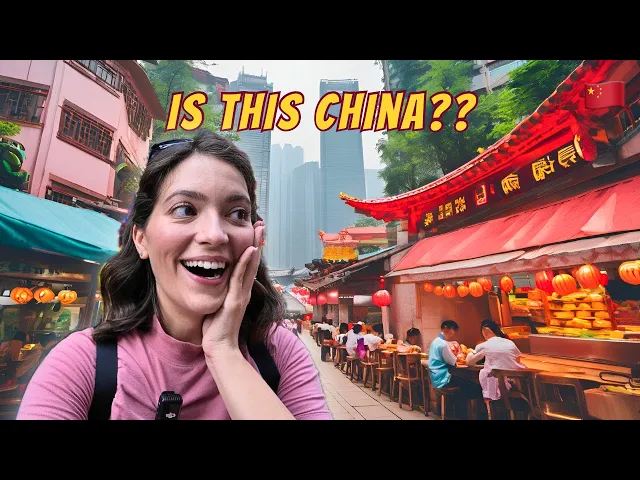
This is one of the best ways for you to support the channel and make your next travels so much easier with an instant internet connection and hassle-free processes. Thank you so much! 🙏🏽🇨🇳 China is one of the world’s oldest and most influential civilizations, with a history that stretches back thousands of years. It is a country where ancient traditions and modern innovation exist side by side, creating a unique atmosphere that feels both deeply historic and strikingly futuristic. From imperial landmarks and classical architecture to cutting-edge skylines and high-speed rail networks, China offers an impressive blend of heritage, progress, and national ambition. As the world’s second-largest economy, China plays a major role in global trade, manufacturing, and infrastructure. The country is known for its remarkable development over recent decades, lifting hundreds of millions of people out of poverty and building some of the most advanced transportation systems in the world. Its high-speed rail network is the largest on Earth, connecting major cities with speed and efficiency, while its urban centers showcase major achievements in engineering and public development. China is also rich in cultural depth and diversity. Its cuisine is celebrated worldwide, its festivals are vibrant and meaningful, and its regional traditions vary greatly across the country’s vast landscape. From the Great Wall and the Forbidden City to the mountains, rivers, megacities, and historic towns, China presents extraordinary variety in both scenery and cultural identity. The country has made significant contributions to world civilization, including inventions such as paper, printing, gunpowder, and the compass. What makes China especially fascinating is its sense of scale, confidence, and transformation. It is a nation that continues to invest heavily in science, technology, clean energy, infrastructure, and education.
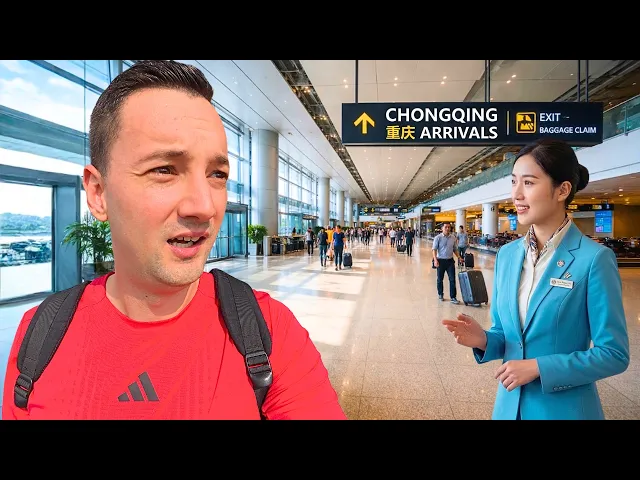
Davud explores Chongqing, China's futuristic mountain mega-city, finding flawless infrastructure, local markets, and a roller-coaster bus ride. His guide uncs.
Travel Guides & Tips in this video
Davud Akhundzada’s Chongqing adventure is a revelation—a vertical city of 13 million built into mountains, with layers of roads and escalators. From numbing Sichuan peppercorn to a roller-coaster bus ride, every moment challenges Western stereotypes. His local guide Jackson reveals hidden gems and the city’s flawless organization. A must-watch for anyone curious about modern China.
Next travel video:
1 hr 2 min
2026
Chongqing Futuristic Mountain Mega City China Travel Video
Holafly: holafly.sjv.io/6kg1d3
This is one of the best ways for you to support the channel and make your next travels so much easier with an instant internet connection and hassle-free processes.
Thank you so much! 🙏🏽🇨🇳
China is one of the world’s oldest and most influential civilizations, with...
Chongqing China's Vertical Mountain Mega City Travel Guide
China is one of the world’s oldest and most influential civilizations, with a history that stretches back thousands of years. It is a country where ancient traditions and modern innovation exist side by side, creating a unique atmosphere that feels both deeply historic and strikingly futuristic. From imperial landmarks and classical architecture to cutting-edge skylines and high-speed rail networks, China offers an impressive blend of heritage, progress, and national ambition. As the world’s second-largest economy, China plays a major role in global trade, manufacturing, and infrastructure. The country is known for its remarkable development over recent decades, lifting hundreds of millions of people out of poverty and building some of the most advanced transportation systems in the world. Its high-speed rail network is the largest on Earth, connecting major cities with speed and efficiency, while its urban centers showcase major achievements in engineering and public development. What
Attractions in this video: Test Bed Two, Erling Park, Chaotianmen Square, Raffles City Chongqing, Longest Escalator Asia, 80s Candy Store
More about the current video:(Published on 2026-05-25)
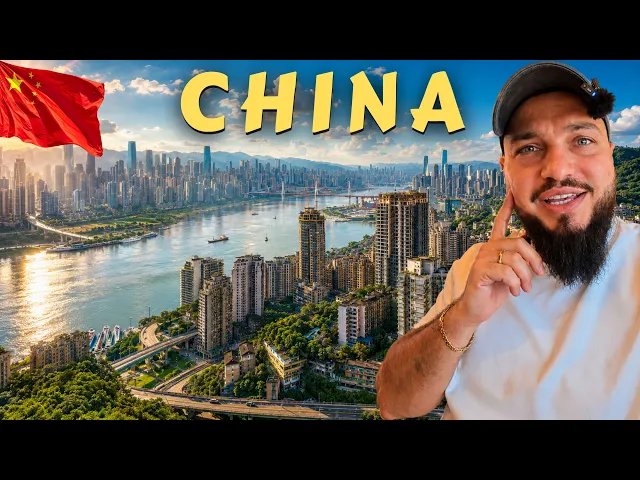
Davud Akhundzada’s journey through Chongqing shatters every preconception. From his apartment overlooking the misty mega-city of 13 million, he marvels at a metropolis built into the mountains—layers of highways, metro lines, and staircases creating a vertical illusion. The city’s flawless organization, from payment systems to public transport, leaves him speechless. He even challenges the Western narrative about Chinese quality, pointing out that his DJI camera and BYD cars outperform global competitors.
Meeting local guide Jackson—a Canadian-educated Chongqing native—opens doors to authentic experiences. They explore the Cement Two, a former mint turned artsy district, where Davud buys a silver ring using seamless QR code payments. The 80s candy store triggers nostalgia, with white rabbit candies and hawthorn sticks. But the real shock comes at a Sichuan spice market: a single huajiao peppercorn numbs his entire mouth, leaving him unable to speak for minutes.
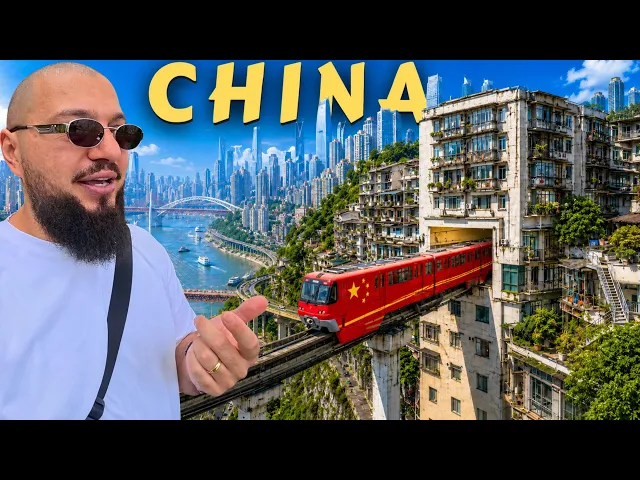
The highlight is the longest single-piece escalator in Asia, dropping 51 meters in 2.5 minutes. Then a public bus ride across the Chongqing bridge becomes a roller coaster, spiraling up a 20-story ramp right past residential balconies. Davud’s genuine wonder—having traveled 75 countries—is palpable. He declares Chongqing unlike anywhere else, safe, organized, and bursting with surprises. The video ends with a promise to return, and a heartfelt recommendation to ignore the propaganda and see China for yourself.
FAQs (From the traveler's perspective)
Q: How do you speak such great English?
A: I studied in Canada for 7 years.
Q: What is the longest escalator in Asia?
A: It's a single piece escalator that drops 51 meters in 2.5 minutes.
Q: What is the numbing peppercorn called?
A: It's huajiao, Sichuan peppercorn, it's numbing and citrusy, not spicy.
Q: Can you pay with cash in China?
A: Businesses are legally required to accept cash, but small vendors prefer QR code payments.
Q: What is the main social media in China?
A: WeChat for socializing and payments, and Douyin for short videos.
Q: Why did you come back to China?
A: I saw potential in tourism and cultural exposure after the pandemic.