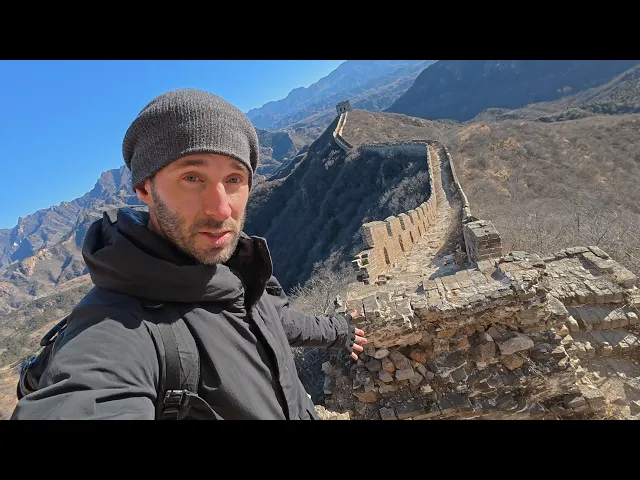
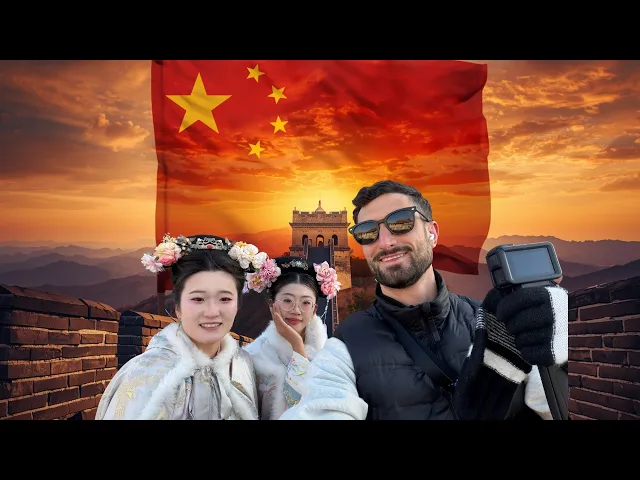
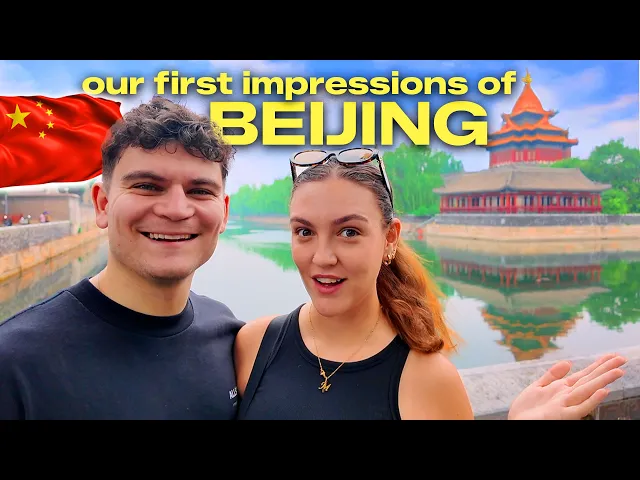
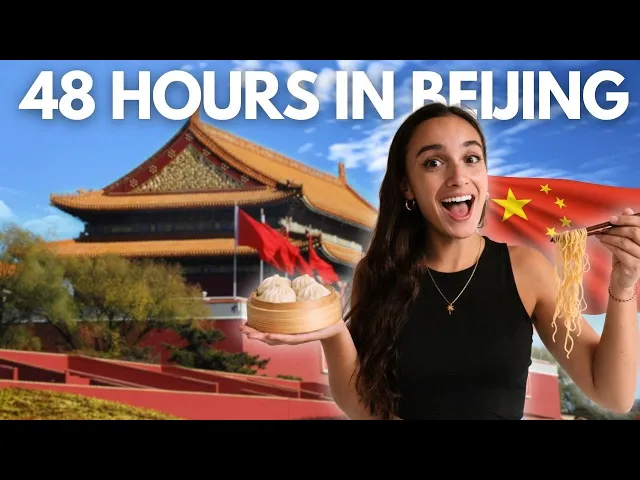
I traveled to China, which is one of the world’s oldest and most influential civilizations, with a history that stretches back thousands of years. It is a country where ancient traditions and modern innovation exist side by side, creating a unique atmosphere that feels both deeply historic and strikingly futuristic. From imperial landmarks and classical architecture to cutting-edge skylines and high-speed rail networks, China offers an impressive blend of heritage, progress, and national ambition.<br><br>As the world’s second-largest economy, China plays a major role in global trade, manufacturing, technology, and infrastructure. The country is known for its remarkable development over recent decades, lifting hundreds of millions of people out of poverty and building some of the most advanced transportation systems in the world. Its high-speed rail network is the largest on Earth, connecting major cities with speed and efficiency, while its urban centers showcase major achievements in engineering, innovation, and public development.<br><br>China is also rich in cultural depth and diversity. Its cuisine is celebrated worldwide, its festivals are vibrant and meaningful, and its regional traditions vary greatly across the country’s vast landscape. From the Great Wall and the Forbidden City to the mountains, rivers, megacities, and historic towns, China presents extraordinary variety in both scenery and cultural identity. The country has made significant contributions to world civilization, including inventions such as paper, printing, gunpowder, and the compass.<br><br>What makes China especially fascinating is its sense of scale, confidence, and transformation. It is a nation that continues to invest heavily in science, technology, clean energy, infrastructure, and education, while...
Davud explores Chongqing, a mountainous mega-city, riding cable cars, eating local street food, and visiting a thousand-year-old temple, all for under $10.
Travel Guides & Tips in this video
In Chongqing, Davud Akhundzada discovers a city that feels like a theme park—mountainous, modern, and mind-blowing. He navigates with precise AMap, buys a $4 cable car ticket, eats a $2 local breakfast, and explores a thousand-year-old temple. The city's cleanliness, order, and lack of foreigner pricing leave him deeply impressed, challenging stereotypes about overpopulation and civic sense.
Next travel video:
1 hr 9 min
China's Civic Sense and Safety: Defying Overpopulation Myths
Holafly: holafly.sjv.io/6kg1d3
This is one of the best ways for you to support the channel and make your next travels so much easier with an instant internet connection and hassle-free processes.
Thank you so much! 🙏🏽🇨🇳
China is one of the world’s oldest and most influential civilizations, with...
Exploring Chongqing China Cable Car Temple Street Food Travel Guide
In this video, Davud Akhundzada challenges the myth that overpopulation leads to chaos and underdevelopment. Through his travels across China, he showcases a nation where ancient heritage meets futuristic innovation, with impeccable public order and safety. From high-speed rail to bustling cities, China proves that civic sense and progress are possible even with a massive population. A must-watch for anyone rethinking stereotypes.
Attractions in this video: Luohan Temple, Chongqing Cableway, Arhat Temple, Chongqing Pedestrian Street, Luckin Coffee
More about the current video:(Published on 2026-05-31)
Davud Akhundzada explores Chongqing, a mountainous mega-city that feels like a theme park. He starts his day early to beat crowds, using the AMap navigation app, which he says is far more precise than Google Maps, showing exact meters to stairs and traffic light seconds. He buys a cable car ticket for 30 yuan ($4.40) and appreciates that there's no foreigner pricing. While waiting for his ride, he grabs a local breakfast at a street stall with no English menu, ordering dumplings, sesame balls, and soy milk for just 14 yuan ($2). He then visits the Arhat Temple, a Buddhist site with over 500 life-sized statues, donating 100 yuan and buying a bracelet for good luck. Walking through a high-end shopping district, he notes the city's cleanliness, well-behaved crowds, and impressive infrastructure, including underground parking tunnels. He orders a coconut coffee from Luckin Coffee for 17 yuan ($2.50) and tries a Dubai chocolate for 100 yuan ($15), rating it 8.5/10. The video ends with a teaser for the cable car ride in the next episode.
FAQs (From the traveler's perspective)
Q: What navigation app did you use in China and how good was it?
A: I used the AMap app, which is super precise—it even tells you exactly how many meters to the stairs and how many seconds left at a traffic light.
Q: How much did the Chongqing cable car cost and is there a foreigner price?
A: I paid 30 yuan for a one-way ticket, which is about $4.40, and there's no foreigner price—everyone pays the same.
Q: What was your breakfast experience like at the local street stall?
A: It was a local spot with no English menu, I pointed at pictures, and the whole meal cost only 14 yuan (about $2).
Q: How much was the entrance fee to the Arhat Temple and how did you pay?
A: 20 yuan, which is less than $3, and you can pay with Alipay by scanning a QR code.
Q: Did you buy any souvenirs at the temple?
A: Yes, I bought a bracelet for 128 yuan (about $18) that the shopkeeper said brings money and good luck.
Q: How did you order coffee at Luckin Coffee and what did it cost?
A: I ordered a large coconut coffee with an extra shot of espresso for only 17 yuan (about $2.50) using the Alipay app.