
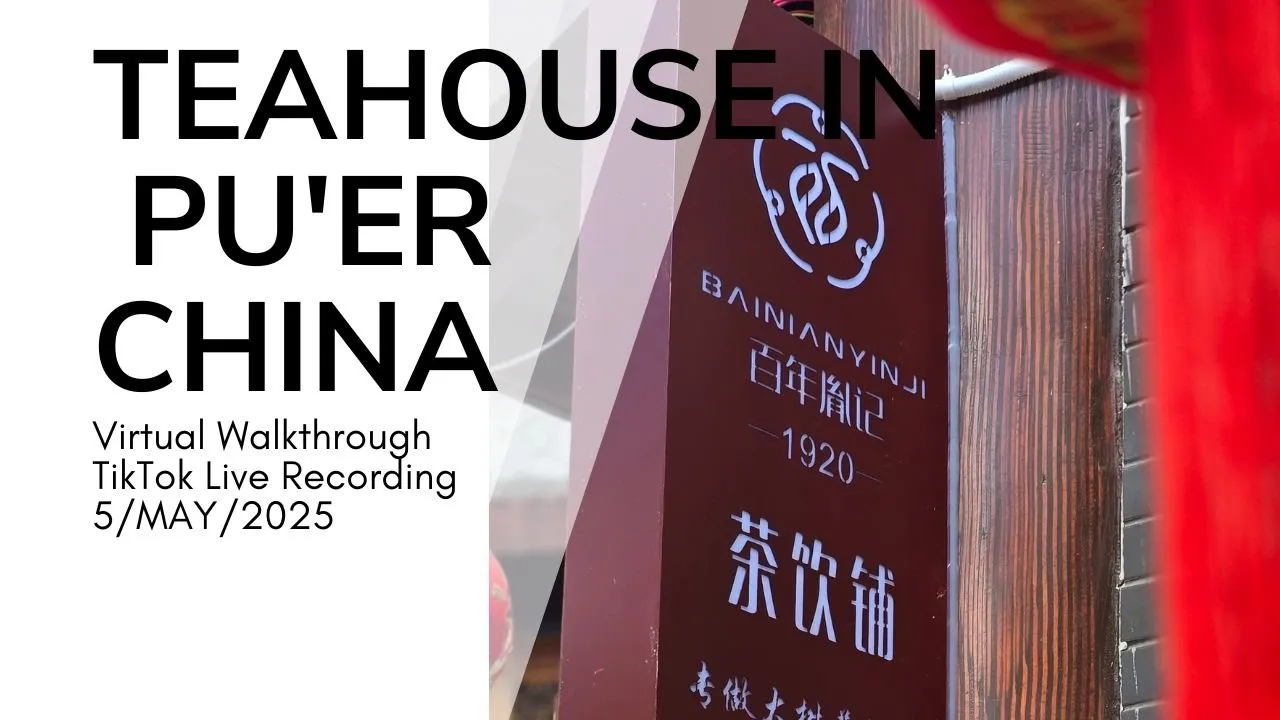
Travel Guides & Tips in this video
Traveler Jasminia spends a day exploring Pu’er tea culture in Yunnan. After a quiet May Day morning, she meets a local teahouse owner near the Ancient Tea Road, who demonstrates traditional brewing and explains tea varieties, old trees and the differences between sun-dried and roasted leaves. The tasting moves from bitter to sweet and includes dragon pearls and tea cakes. Jasminia also discusses travel logistics such as WeChat, Alipay, cash, a local SIM and VPN access. The visit offers a personal look at how tea connects craft, rural life and conversation. She sees the owner prepare tea with careful attention to water, leaves and timing, and follows a tasting that reveals how the flavor develops. The conversation moves from old tea trees and regional varieties to the practical details of traveling in China. Jasminia discusses arranging WeChat and Alipay, carrying cash, obtaining a local SIM and setting up a VPN. These details are part of her experience and can be checked against current requirements before a trip. A visit to a rural teahouse gives her time to listen, taste and observe rather than rush between attractions. She describes tea as a shared language that connects visitors and residents, while the owner explains how traditional preparation continues alongside contemporary business. The shop also sells tea cakes and dragon pearls, and the conversation touches on sun-dried versus roasted leaves. The day concludes with the prospect of returning when the owner’s English-language Shopify shop opens, but the visit itself centers on the quiet teahouse and the tasting.
Next travel video:

More about the current video:()
A teahouse near the Ancient Tea Road
Traveler Jasminia explores a teahouse in Pu’er, Yunnan, during a quiet May Day. She meets a local shop owner who offers a modern interpretation of the area’s tea traditions. Their conversation covers Pu’er tea, ancient tea trees and the role tea plays in local life. The owner demonstrates a brewing method known as waking the tea, followed by a kung fu-style preparation. Jasminia sees tea pets, large tea cakes and dragon pearls, then tastes a selection that changes from bitter to sweet.
The visit also covers how tea is processed. They discuss sun-dried leaves and roasted tea, and the differences in flavor and preparation. The shop is close to the Ancient Tea Road, connecting the teahouse visit with the history of tea trade in the region. Jasminia listens as the owner explains the craft and takes time to notice the teaware, including purple pottery. The conversation makes the tasting a way to learn about tea rather than simply order a drink.
Travel planning and rural life
Jasminia shares practical travel details during the livestream. She recommends downloading WeChat and Alipay, linking a bank card, and carrying cash as a backup. She also mentions getting a local SIM and setting up a VPN before travel. These are suggestions from her experience and travelers should check current app and connectivity requirements. Her discussion includes an everyday question about press-on nails and the logistics of spending time in a rural area.
The day has a calm rhythm shaped by conversation and tasting. The owner discusses tea as a social practice, and Jasminia reflects on the way a shared drink can bring people together. The account includes hundreds of years-old tea trees, a hillside shop and practical travel notes, but its focus is a particular meeting and tasting in Pu’er. She ends by saying she hopes to revisit the store when its English-language online shop is ready. The experience offers a grounded introduction to Pu’er tea traditions, local craft and the role of a teahouse in daily life.
FAQs (From the traveler's perspective)
- Q: Do travelers need a Chinese bank account?
- A: No. For most short-term visits, Jasminia recommends setting up WeChat and Alipay with a foreign bank card, carrying cash as a backup, and arranging a local SIM and VPN. Travelers staying longer can look into local banking options if needed.
- Q: What did the teahouse owner demonstrate?
- A: The owner showed a method called waking the tea and a kung fu-style brewing process, using tea leaves and teaware as part of the tasting.
- Q: What kinds of tea did Jasminia discuss?
- A: The conversation covered Pu’er tea, ancient tea trees, dragon pearls, tea cakes and differences between sun-dried and roasted tea.
