Travel Guides & Tips in this video
Sons & Eri document the first day of a new semester at an IB school in China. Their morning routine leads into a kindergarten opening ceremony prepared by local teachers, with decorations, goodie bags, fruit, baked goods, and textbooks. The teachers receive red envelopes from colleagues and explain the upside-down Fu symbol as a sign that good fortune has arrived. The day includes an awards ceremony, singing with students, an English corner, cafeteria lunch, a visit to the gym, book organization, and afternoon activities. They discuss the Year of the Snake and its symbolism of transformation, wisdom, and new opportunities, while emphasizing that the first day focuses on welcoming students rather than a full teaching schedule.
Next travel video:
More about the current video:()
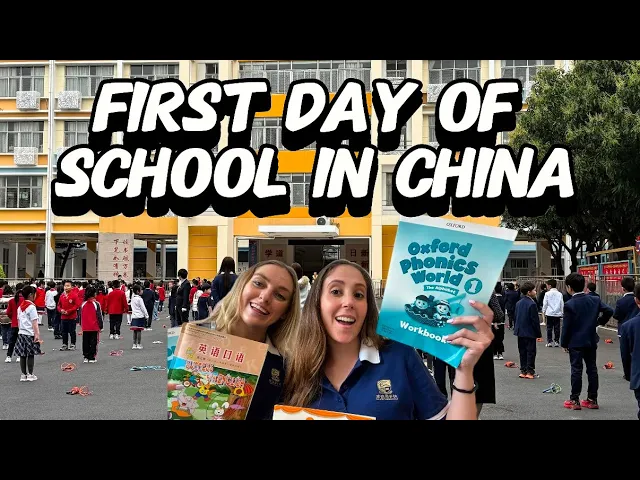
First day of the new semester
Sons & Eri, two international teachers at an IB school in China, return for the first day of a new semester. The video begins with their morning routine, coffee, and preparations for school. Local teachers have organized a welcome ceremony for the kindergarten students, with decorations, goodie bags, fruit, baked goods, and new textbooks. An inverted Fu symbol is displayed; they explain that the character is associated with good luck and prosperity, and its upside-down placement represents good fortune arriving. Their co-workers also give them red envelopes, a traditional Chinese New Year gift often given to children and unmarried people.
The opening ceremony includes student awards and singing. Sons & Eri join in with the children and describe the first day as a time to make students comfortable and excited about the new semester. There are games and welcoming interactions rather than a full schedule of formal lessons. They discuss the Year of the Snake and its associations with transformation, wisdom, and new opportunities, and say they want to incorporate those themes into their teaching.
Lunch and afternoon activities
At lunchtime, the video shows the school's buffet-style cafeteria, with vegetables, protein, rice, soup, pastries, and fruit. The teachers have a separate cafeteria. After lunch, Sons & Eri visit the gym and note that it is quiet during the lunch break, when many people prefer to nap. They organize books for the semester and show students having a break to release energy. The school bus system transports students home after school.
The video follows the rest of the day and the practical work involved in starting a semester: welcoming students, organizing materials, and setting up classroom activities. Cultural details such as red envelopes, the Fu symbol, and the Year of the Snake appear alongside everyday school routines. Sons & Eri share their experience as international teachers while showing student interactions, the cafeteria, and after-lunch activities.
FAQs (From the traveler's perspective)
- Q: What does the upside-down Fu symbol mean?
- A: Fu is a Chinese character associated with good luck and prosperity. The video explains that placing it upside down symbolizes good fortune arriving.
- Q: What is served in the school cafeteria?
- A: The buffet-style lunch includes vegetables, protein, rice, soup, pastries, and fruit. The teachers have a separate cafeteria.
- Q: What do red envelopes represent at the school?
- A: Sons & Eri receive red envelopes from co-workers as a traditional Chinese New Year gift. Such envelopes usually contain money and are given to children and unmarried people.