Original source
4 days in jingdezhen (china's porcelain capital)
4 Days in Jingdezhen: China's Porcelain Capital Travel Guide
this week we went to the birthplace of chinese porcelain!
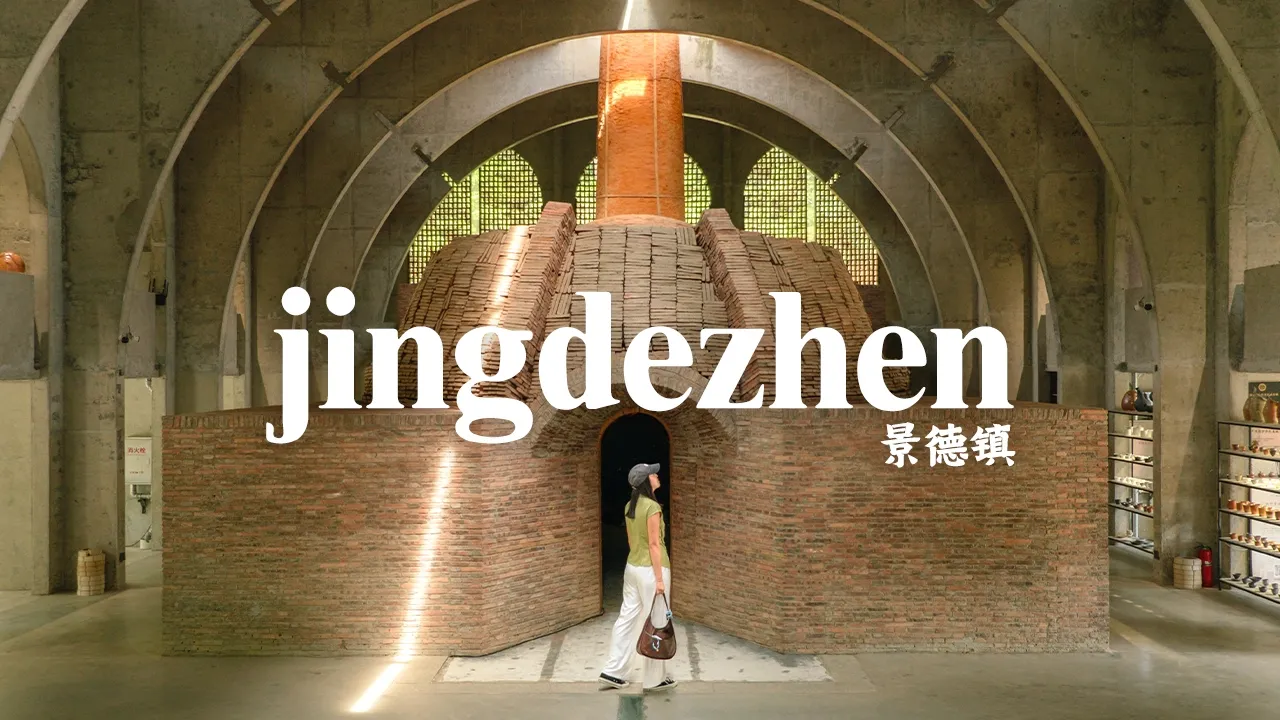
with over 2,000 years of history, jingdezhen 景德镇 is worth visiting if you like coffee, ceramics and weekend markets. it's just a 3 hour train ride from shanghai and we recommend spending at least 3 days there
0:00 day 1 (hotel tour,...
This week we went to the birthplace of chinese porcelain! With over 2,000 years of history, jingdezhen 景德镇 is worth visiting if you like coffee, ceramics and weekend markets. It's just a 3 hour train ride from shanghai and we recommend spending at least 3 days there. Day 1 includes a hotel tour, taoxichuan art center, and weekend market. Day 2 features bing ding kiln 丙丁柴窑, 740 factory, and porcelain palace 瓷宫. Day 3 covers sanbao village 景德镇三宝村 and imperial kiln 景德镇御窑厂. Day 4 is a studio tour with shao lei 邵磊 and shopping at sculpture porcelain factory 雕塑瓷厂.
Sam and Victor take us on a mesmerizing journey through Jingdezhen, China's porcelain capital with over 2,000 years of history. They explore everything from tea ceremonies at Bing Ding Kiln to the surreal Porcelain Palace covered in ceramic shards. The couple discovers hidden gems like the 740 Factory's perfect coffee and the chaotic creativity of Sanbao Village. They meet local artisans, including potter Shao Lei, and hunt for treasure at the Sculpture Porcelain Factory market. This trip proves Jingdezhen is worth more than just a weekend—it's a full immersion into living ceramic culture, where every street corner has a kiln story and every cafe serves art alongside espresso.
This week we went to the birthplace of chinese porcelain! With over 2,000 years of history, jingdezhen 景德镇 is worth visiting if you like coffee, ceramics and weekend markets. It's just a 3 hour train ride from shanghai and we recommend spending at least 3 days there. Day 1 includes a hotel tour, taoxichuan art center, and weekend market. Day 2 features bing ding kiln 丙丁柴窑, 740 factory, and porcelain palace 瓷宫. Day 3 covers sanbao village 景德镇三宝村 and imperial kiln 景德镇御窑厂. Day 4 is a studio tour with shao lei 邵磊 and shopping at sculpture porcelain factory 雕塑瓷厂.
Sam and Victor traveled to Jingdezhen, the birthplace of Chinese porcelain, for a 4-day adventure. Their journey started with a 3-hour high-speed train from Shanghai to Taoxichuan Culture Square, where they stayed at the Chuan Shang Xing Hotel—a modern design built around a former porcelain factory. They explored weekend markets, stumbled upon a wabi-sabi shop, and sampled creative Jiangxi cuisine with Western twists.<br><br>Day two took them to Bing Ding Kiln, one of the last remaining wood-fire kilns built without blueprints. They visited Factory 740, a former military factory turned artist village, where they ate pizza made by a kiln architect and discovered a cafe with a secret garden. The Porcelain Palace, built by 80-year-old Yu Ermei using her life savings and 80 tons of porcelain, offered a stark contrast with its over-the-top, colorful design.<br><br>Rainy day three included Sanbao Village, where over 40,000 artists have participated in residencies. They explored shops selling unique glassware and wabi-sabi ceramics, visited the Imperial Kiln Museum with its brick vaults, and enjoyed a creative bistro with Mexican and French influences. A studio tour with contemporary sculpture artist Shao Lei revealed his architectural inspirations and the communal gas kilns used by local artists.<br><br>Their final day focused on last-minute shopping at the Sculpture Porcelain Factory, where they found metallic fruit cups and unique glassware. They bumped into viewers from Toronto, visited a hidden cafe called Glean, and reflected on the overwhelming variety of handmade ceramics. Sam's souvenir haul included a simple matte bowl, quirky glass cups from Something Glass, and a portion-control plate by artist Chen Ran. They concluded that while they didn't need more ceramics, the beauty and variety of Jingdezhen's creations made the purchases worthwhile.
From the birthplace of porcelain to hidden coffee spots, this Jingdezhen adventure is packed with surprises. Sam and Victor navigate weekend markets, a remarkable porcelain palace built by an 80-year-old woman, and an artist village that defies expectations. With a side of quirky pizza and unexpected glassware, this trip shows modern China in a whole new light.
Sam and Victor explore Jingdezhen's weekend markets, visit the Porcelain Palace, discover hidden artist studios, and shop for unique ceramics. A journey through
4 Days in Jingdezhen China Porcelain Capital Travel Guide
2:37 From Jingdezhen station, use Didi for 20-min ride to hotel. Most drivers accept mobile payments but carry cash as backup.
11:08 Weekend markets run Friday to Sunday from 4pm. Peak is evening. Bargain politely at stalls but not at fixed-price shops.
19:51 Hire a Didi driver for a full day to reach distant spots like Bing Ding Kiln and Porcelain Palace. Negotiate price upfront.
22:40 Factory 740 is a hidden gem for unique ceramic pieces not found at markets. Visit the cafe and pizza shop by the kiln architect.
38:07 Sanbao Village is best explored with a rented scooter (30 RMB). Skip it if you dislike queues for photo spots.
47:30 Imperial Kiln Museum entry is 53 RMB. Best visited at blue hour for warm brick glow. Queue for the iconic Instagram shot.
55:05 Buy ceramics directly from artists at Taoxichuan. Many shops offer DIY painting workshops for a hands-on experience.
1:00:27 Metallic cups may look beautiful but some contain non-food-safe paint. Ask before buying if you plan to use them for food.
1:08 Arriving at Jingdezhen birthplace of porcelain
3:13 Checking into Taoxichuan Culture Square hotel
10:59 Exploring weekend market at night
20:30 Visiting Bing Ding wood fire Kiln
22:40 Exploring Factory 740 artist village
29:42 Discovering Porcelain Palace by Yu Ermei
38:07 Wandering Sanbao Village in rain
47:30 Exploring Imperial Kiln Museum
52:18 Studio tour with artist Shao Lei
59:01 Bumping into Toronto viewers in cafe
0:00 day 1 (hotel tour, taoxichuan art center, weekend market)
18:38 day 2 (bing ding kiln 丙丁柴窑, 740 factory, porcelain palace 瓷宫)
37:51 day 3 (sanbao village 景德镇三宝村, imperial kiln 景德镇御窑厂)
52:05 day 4 (studio tour w. shao lei 邵磊, shopping at sculpture porcelain factory 雕塑瓷厂)
1:02:00 jingdezhen souvenir shopping haul
What was the most surprising discovery in Jingdezhen?
Probably the Porcelain Palace built by an 80-year-old woman using her life savings, and the fact that many shops don't accept foreign credit cards.
What were the sweet potato noodles like?
They looked like shining leather and tasted yummy!
What was the best tip for shopping at the market?
Don't impulse buy at the weekend market because the shops at Factory 740 and the Sculpture Factory have more unique and better quality pieces.
Is it worth visiting Sanbao Village in the rain?
Yes! Even though the weather wasn't great, watching the rain and having coffee at the homestay cafe felt perfect.
What was the most useless souvenir you bought?
Definitely the small oval plate by Chen Ran. It's good for portion control and putting chocolates on, but not much else.