

Travel Guides & Tips in this video
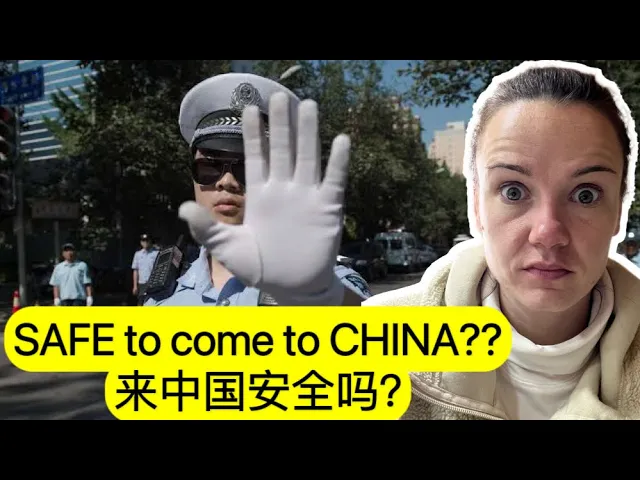
Lizzy contrasts negative media expectations with the experiences she and a Canadian YouTuber describe in China. The visitor arrives apprehensive but finds friendly people and a safe environment. Lizzy also talks about her mother's move, using WeChat Pay, the 144-hour transit visa and the cleanliness of public spaces. She invites viewers to form their own impressions through firsthand travel. Lizzy also describes the 144-hour transit visa as a straightforward way for visitors to make a short trip and see the country for themselves. She mentions the experience of using WeChat Pay and the cleanliness of transport and other public spaces. Cameras are visible in daily life, and she regards them as contributing to safety. Her mother's move to China and the Canadian YouTuber's initial apprehension give the discussion two personal perspectives. The video asks viewers to compare what they expected with what the people in it experienced, rather than treating headlines as a substitute for travel.
Next travel video:
More about the current video:()

First impressions and daily life
Lizzy discusses how expectations about China can differ from what visitors experience. A Canadian YouTuber arrives feeling apprehensive after hearing negative narratives, then finds friendly people and a safe environment. Lizzy connects this account with her own experience and her mother's decision to move to China. Their perspectives are personal and are offered as a reason to see the country firsthand.
She describes practical parts of daily life, including paying through WeChat Pay and finding public spaces clean. She also talks about the use of security cameras, which she sees as contributing to safety. A previous social experiment about nighttime safety provides context for these observations. The video frames cameras and public order differently from common concerns in Western media and asks viewers to consider the difference between reported narratives and direct experience.
Visiting China and forming an impression
The 144-hour transit visa is described as an opportunity for visitors to explore China without arranging a longer stay. Lizzy presents the policy as a way to experience the country firsthand. She also points to clean public transportation and everyday convenience as details that shaped her life there. The account covers foreigners in China, daily life in Shanghai, a basketball game and a clean public environment.
Lizzy's overall message is to question what people hear and decide based on firsthand experience. She shares her mother's relocation and the visitor's reaction as examples, while emphasizing that these are personal observations. The video encourages viewers to consider safety, cleanliness, mobile payment and ordinary interactions when forming a view of China.
FAQs (From the traveler's perspective)
- Q: What surprised the Canadian YouTuber?
- A: He arrived apprehensive because of negative media narratives but found the people friendly and the environment safe. His experience differed from what he expected.
- Q: How can travelers pay for everyday purchases?
- A: Lizzy describes WeChat Pay as convenient for daily transactions and gives buying flowers at the airport as an example of using it even when shops are closed.
- Q: What is the 144-hour transit visa?
- A: Lizzy presents it as an opportunity for visitors to spend time exploring China and experience the country firsthand during a transit visit.
