Original source
Exploring The Lost Ancient Village in Xinjiang Mountains
Xinjiang Road Trip: Exploring Ancient Nomadic Villages
Explore Xinjiang's ancient nomadic villages, traversing breathtaking mountains and deserts. Discover a unique culture and unforgettable experiences.
Join us on an unforgettable journey as we embark on a cinematic road trip to the northern border of Xinjiang, China! In this captivating travel vlog, we set out to uncover the hidden treasures of ancient nomadic communities that have thrived in this breathtaking region for centuries. As we traverse stunning landscapes, from vast deserts to majestic mountains, we’ll share our experiences, encounters, and the rich tapestry of cultures that make Xinjiang so unique. Expect breathtaking visuals, heartfelt stories, and a glimpse into the lives of the nomads who call this land home. Will we find the secrets of their ancient traditions? What adventures await us on this epic quest? Buckle up and join us as we explore the beauty, mystery, and history of Xinjiang like never before!
Embark on a cinematic road trip to Xinjiang, China's northern border, and uncover hidden treasures of ancient nomadic communities. Traverse stunning landscapes, from deserts to majestic mountains, encountering the rich tapestry of cultures. Experience breathtaking visuals and heartfelt stories of the nomads who call this land home. Discover the secrets of their ancient traditions and the adventures that await in this epic exploration of Xinjiang's beauty, mystery, and history.
Join us on an unforgettable journey as we embark on a cinematic road trip to the northern border of Xinjiang, China! In this captivating travel vlog, we set out to uncover the hidden treasures of ancient nomadic communities that have thrived in this breathtaking region for centuries. As we traverse stunning landscapes, from vast deserts to majestic mountains, we’ll share our experiences, encounters, and the rich tapestry of cultures that make Xinjiang so unique. Expect breathtaking visuals, heartfelt stories, and a glimpse into the lives of the nomads who call this land home. Will we find the secrets of their ancient traditions? What adventures await us on this epic quest? Buckle up and join us as we explore the beauty, mystery, and history of Xinjiang like never before!
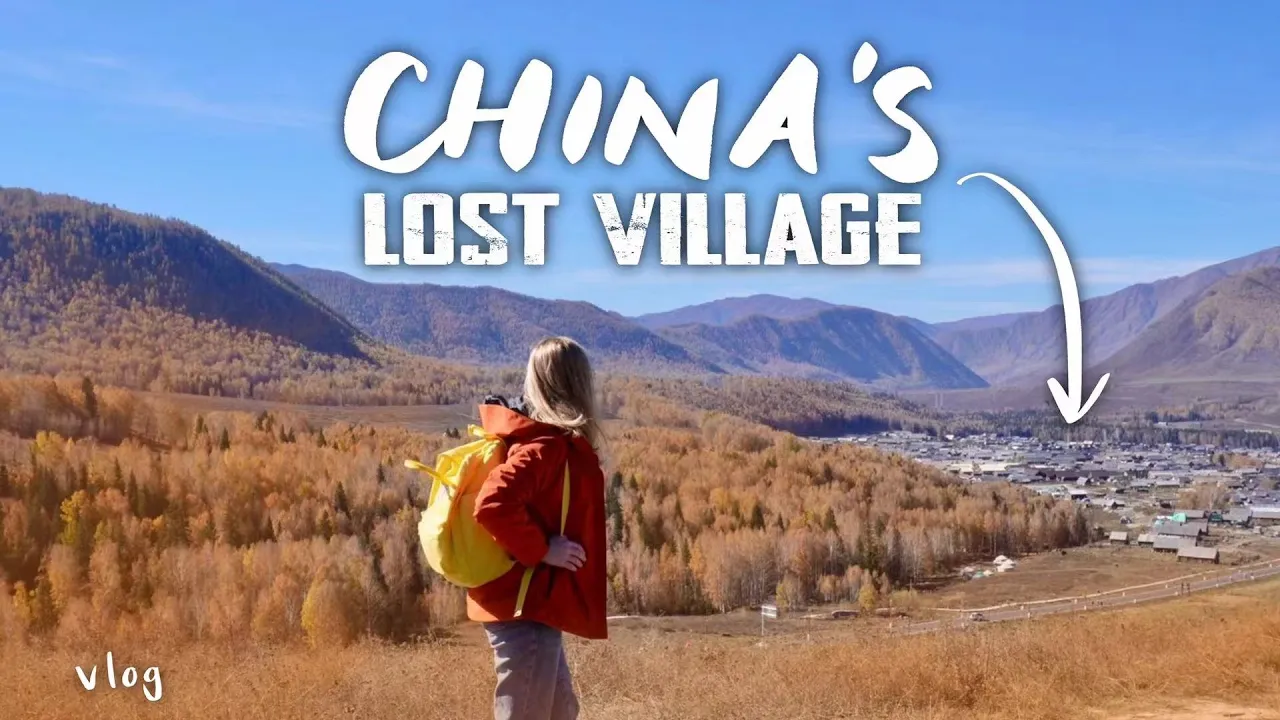
This travel vlog follows Expat Natt's exploration of the remote and stunning Northern Xinjiang region of China, specifically focusing on the three remaining villages of the Tuva people. The video showcases the unique culture and traditions of this nomadic group, who are described as descendants of Genghis Khan's warriors. The journey takes viewers through breathtaking landscapes, from the vast deserts to majestic mountains.
Expat Natt's journey begins with a trip to Heru, the largest of the three settlements, highlighting the traditional log houses built half into the ground to withstand harsh winters. The video emphasizes the importance of respecting local customs, with Expat Natt choosing not to film personal interactions with villagers out of respect for their privacy.
The vlog also features a scenic scooter ride through the village, offering stunning views of the surrounding area. A visit to the crystal-clear Hu River, crossed by a 100-year-old wooden bridge, further emphasizes the natural beauty of the region.
Expat Natt shares the challenges of finding accommodation, detailing their experience booking a room through Trip.com that had initially received poor reviews. Despite some initial concerns, they found the room to be satisfactory and highlight the warm toilet seat as a pleasant surprise. The vlog also includes footage of a traditional Xinjiang meal at a local eatery and captures the vibrant nightlife of the region, contrasting it with the breathtaking views of the night sky. The journey concludes with a glimpse of the incredible mountain lakes near the Kazakhstan border, leaving the viewer wanting more. Throughout the vlog, Expat Natt's personal insights and experiences are woven into the narrative, creating an engaging and authentic travel story.
Embark on a breathtaking cinematic journey to Xinjiang, China's northern border, with Expat Natt! This travel vlog unveils the secrets of ancient nomadic Tuva villages nestled in majestic mountains and vast deserts. Witness their unique traditions, stunning landscapes, and heartwarming encounters with locals. From rickety wooden walkways offering panoramic views to cozy log houses built half into the ground, experience the authenticity of this hidden gem. Discover the crystal-clear Hu River and the 100-year-old wooden bridge, then relax in a surprisingly lively town with incredible night skies. This adventure promises stunning visuals and unforgettable moments, revealing a side of Xinjiang unseen by most.
Expat Natt's Xinjiang adventure reveals hidden Tuva villages, stunning landscapes, and heartwarming cultural encounters. A journey filled with breathtaking beauty and unexpected discoveries.
Xinjiang Road Trip: Exploring Ancient Tuva Villages
0:45 The Tuva people, descendants of Genghis Khan's warriors, maintain their unique language and traditions, offering a glimpse into a rich cultural heritage. Their lifestyle, centered around cattle herding and hunting, is deeply connected to their environment.
2:32 Traditional Tuva houses are built half into the ground to provide warmth during the harsh winters, where temperatures can drop below -30°C. The east-facing doors reflect their belief in the auspicious nature of the rising sun.
6:18 Accommodation in this region can be pricey. Consider booking in advance and researching options carefully to fit your budget. Look for places with good reviews, especially if booking through online platforms.
7:51 Seek out local eateries for an authentic Xinjiang dining experience. These often offer traditional meals not found in tourist-oriented restaurants, providing a chance to savor the local cuisine.
8:26 While the town has a lively nightlife, don't miss the opportunity to witness the incredible night sky, far from city lights, offering a breathtaking display of stars and constellations.
0:01 Hidden Villages of Xinjiang
0:27 Heru Village Introduction
1:15 Mountain Village Views
1:56 Arrival in Heru Village
2:32 Traditional Tuva Houses
4:01 Hu River and Bridge
5:30 Village Cafe and Stay
6:45 Accommodation Experience
7:51 Traditional Xinjiang Meal
9:09 Kazakhstan Border Lakes
0:01 Hidden Villages of Xinjiang
0:27 Heru Village Introduction
1:15 Mountain Village Views
1:56 Arrival in Heru Village
2:32 Traditional Tuva Houses
4:01 Hu River and Bridge
5:30 Village Cafe and Stay
6:45 Accommodation Experience
7:51 Traditional Xinjiang Meal
9:09 Kazakhstan Border Lakes