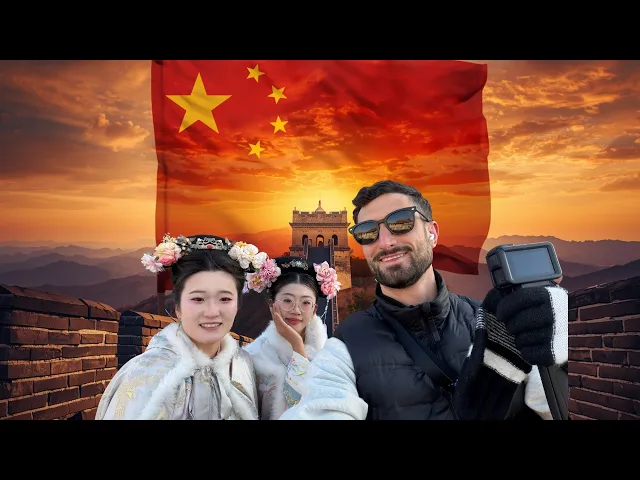
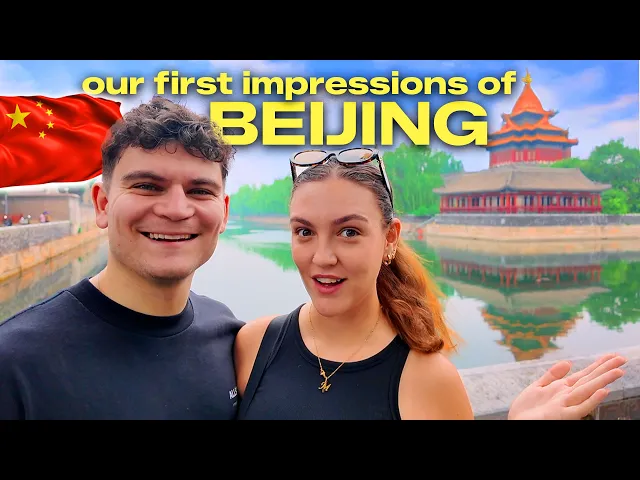
We’ve all seen China’s futuristic mega cities and incredible technology — but what about the other side of the story? After reports in Western media claiming that China’s welfare system is unfair and inflexible, we wanted to find out the truth for ourselves.
A travel vlog explores Beijing's welfare system and working-class life, showcasing community healthcare, local markets, and government support for citizens.
Travel Guides & Tips in this video
Join On Tour With Dridgers as they delve into the heart of Beijing, exploring the realities of working-class life and China's welfare system. Guided by local Mei, they witness the efficiency of community hospitals, the trust within local markets, and the support provided by government housing. Discover how China cares for its citizens, offering a compelling look beyond the futuristic cities.
Next travel video:
China Welfare System: Truth Beyond Futuristic Cities
We’ve all seen China’s futuristic mega cities and incredible technology — but what about the other side of the story? After reports in Western media claiming that China’s welfare system is unfair and inflexible, we wanted to find out the truth for ourselves.
October 2025 | Vlog 554 | Beijing,...
Beijing Welfare & Working Class Life: A Day with Mei
This video delves into the realities of China's welfare system, moving beyond the gleaming images of futuristic cities. The creators explore the less-reported aspects of life in China, investigating claims of an unfair and inflexible welfare system. Prepare for an eye-opening journey that challenges perceptions and reveals a different side of this vast nation.
Attractions in this video: Community Hospital, Local Market, Government Housing
More about the current video:(Published on 2025-11-13)
This video takes viewers on an immersive journey through Beijing, China, offering a unique perspective on the lives of working-class citizens and the country's social welfare system. The travelers, On Tour With Dridgers, are guided by Mei, a local on government assistance, who provides an intimate look into her daily life. The narrative highlights the accessibility and efficiency of community healthcare, with local hospitals offering services like blood pressure tests and basic check-ups for free, a stark contrast to the often overwhelmed systems in the UK. Mei's personal experience with healthcare costs further illustrates the benefits of the welfare system, where she only pays a small fraction of the bill, with the government covering the majority.
The exploration extends to a vibrant local market, revealing a community built on trust, where vendors leave their stalls unlocked. The market offers a sensory experience, filled with the aroma of spices and an abundance of fresh, locally sourced produce, presented without excessive plastic packaging. This authentic setting provides a glimpse into the everyday shopping habits of residents, far removed from the commercialized supermarkets found in Western countries.
A significant portion of the video is dedicated to showcasing Mei's "poor apartment," a government-subsidized housing unit. This segment contrasts sharply with nearby privately owned luxury apartments, emphasizing the close proximity of different socioeconomic classes within the community. The video details the support provided by the government, including free maintenance services for residents and subsidized utilities, underscoring the nation's commitment to looking after its lower-income citizens. Mei's personal story of falling on hard times and receiving government support is a poignant reminder of the safety nets in place.
The narrative also touches upon the broader societal aspects, such as the absence of visible homelessness, attributed to the government's comprehensive welfare provisions. The travelers express admiration for the Chinese government's dedication to its citizens, contrasting it with perceptions of welfare systems in other countries. The day concludes with an evening of hospitality, where Mei generously hosts the travelers, further emphasizing the warmth and generosity of the people. The video aims to present a balanced and truthful portrayal of life in China, moving beyond the often-highlighted technological advancements to explore the realities of its social fabric and the well-being of its people.
FAQs (From the traveler's perspective)
Q: What was the most surprising aspect of the community hospital?
A: The most surprising thing was the advanced technology, like the robot for blood pressure tests, and the fact that many services, including basic health checks, were free for residents.
Q: How does the Chinese welfare system help individuals like Mei?
A: The government provides significant support, covering up to 90% of rent and heating costs for low-income individuals earning below 2,000 R&B per month. Healthcare costs are also heavily subsidized, with Mei only paying a small fraction of her medical bills.
Q: What was the atmosphere like at the local market?
A: The market was incredibly vibrant, smelling strongly of spices rather than raw meat. It was filled with fresh, locally sourced produce and goods, and remarkably, vendors trusted each other enough to leave their stalls unlocked.
Q: What is the living situation like in the government-assisted housing?
A: Mei lives in what she calls a 'poor apartment,' which is part of a government housing development. While basic, it comes with benefits like free on-site maintenance and subsidized utilities. It's notable how close these housing areas are to more affluent private residences.
Q: Why are there so few homeless people visible in China?
A: The government actively looks after its poor and low-income citizens through various support systems, including housing assistance and subsidies, which helps prevent people from ending up on the streets.
Q: What is the custom regarding paying for meals when invited out in China?
A: It's considered disrespectful to argue over the bill or try to pay when invited out by a host. The host is expected to pay as a sign of hospitality and respect, and guests can repay the gesture later.