Travel Guides & Tips in this video
- Tip 1If you’re visiting a smart supermarket in China, bring the habit of using the app for quick payment and check if there are any membership benefits to unlock discounts. (0:28)
- Tip 2Explore home delivery options within a short radius; it can save time and compare costs against taxis and traditional shopping. (2:22)
- Tip 3Try prepared foods at the in store stalls to sample how Chinese markets blend grocery shopping with ready to eat options. (9:04)
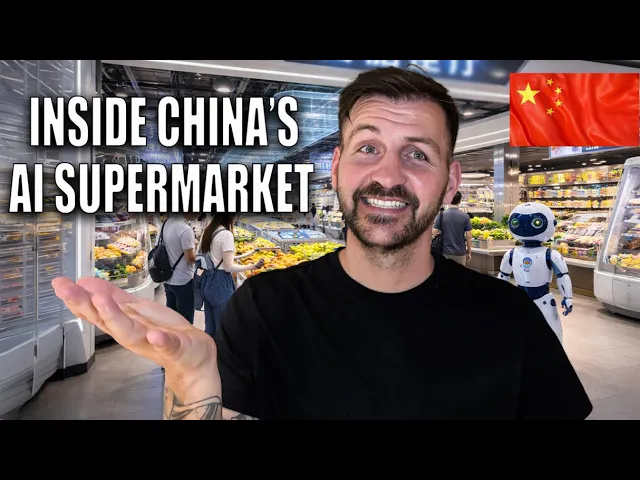
In Shenzhen, travel duo On Tour With Dridgers visits one of China’s flagship smart shopping environments at Alibaba’s AI powered supermarket. The video blends astonishment and curiosity as they navigate cashierless checkouts, self serve kiosks, and aisles where meats, seafood, and pastries are prepped and cooked on site. The host chats about the scale of the store, noting the abundance of testers, in store chefs cooking live skewers and seafood, and the seamless integration of an app for payments and home delivery within 30 minutes in a three kilometer radius. They compare prices to traditional stores, pointing out surprisingly affordable items like pork and some snacks, while also highlighting premium products in glass cases and imported items that feel high end. The store’s AI driven restocking and smart signage impress them, especially the idea that cabinets signal staff for replenishment without manual checks. Interactions with staff, including a helpful clerk who smoothly assisted
Next travel video: ( 129 / 133 )

More about the current video:( 128 / 133 )

The video follows a day inside a high tech supermarket in Shenzhen where cashierless checkout and app driven shopping redefine the grocery run. The hosts marvel at in store cooking, testers, and a bustling crowd that makes the place feel like a future food hall as much as a grocery. They highlight practical details such as home delivery within 30 minutes in a 3 kilometer radius, AI restocking alerts, and facial recognition or membership options at checkout. They sample various sections from fresh cuts and seafood to bakery bites, noting prices that range from surprisingly affordable daily staples to luxury items in glass cases. A moment stands out when staff help with scanning and troubleshooting at the register, underscoring how technology intertwines with human service. The trip also weaves in personal reflections about living in tech forward China as travelers who cook and eat out, missing a kitchen but appreciating the local ease of ordering in. The experience raises questions about cost of living, the real world benefits of AI shopping, and how automation may shape future markets in China. The travelers, especially the one named in the video, share moments of awe at the scale of the operation and the sensory overload of tasting stations, the smells of fresh seafood, and the vibrant, busy atmosphere that mirrors urban life in Shenzhen. It ends with a sense that this is both a glimpse into 2035 and a lived reality for many Chinese shoppers today, inviting viewers to consider how such innovations might redefine everyday errands while remaining mindful of pricing, accessibility, and the human touch behind the technology.
FAQs (From the traveler's perspective)
- Q: Is it really faster to shop with the app and self checkout?
- A: Yes, the video shows shoppers scanning and paying as they pick items, with many people walking out without traditional checkout queues.