Travel Guides & Tips in this video
- Tip 1Plan for two days at the expo to see demos, but expect crowds and a fast pace of presentation by many startups. (00:15)
- Tip 2Look for partnerships with battery makers and airlines early on to scale from prototype to pilot programs. (05:40)
- Tip 3Check regulatory pathways and permits; early tourist demos may come next year, broader passenger operations in 2 years. (17:50)
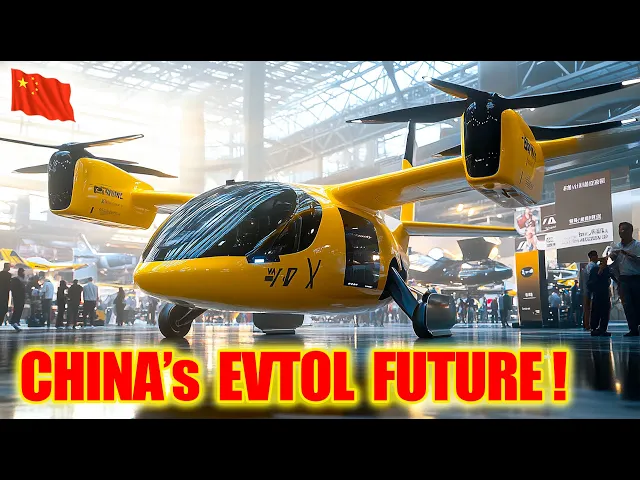
Barrett’s journey through Aero Asia 2025 in Zhuhai unfolds as a high-octane briefing on China’s rapid ascent in electric vertical takeoff and urban air mobility. He wades through aisles of eye-catching flying car concepts, cargo drones, and passenger air taxis, marveling at how many different designs are vying to redefine flight. The show reveals a landscape where startups crowd the floor with ambitious claims and modular architectures, from small two-seaters to hulking cargo platforms, all tethered by big-name battery partners like CL. Barrett notes the bold pivot to the “low altitude economy” and how the government’s planning catalyzes investor enthusiasm, new factories, and collaborations with airlines. The tone stays curious and hopeful, as he compares China’s speed and pragmatism to European and American approaches, while also highlighting the practical business logic: simple, manufacturable systems first, with more complex tilt-rotor configurations to come later. He draws vivid,旅
Next travel video: ( 72 / 76 )

More about the current video:( 71 / 76 )

Barrett arrives in Zhuhai for Aero Asia 2025 and is immediately struck by how many distinct eVTOL firms crowd the exhibit halls, each with its own design language. He chats with Harold about the rise of the low altitude economy, the role of government planning, and the importance of keeping designs simple and cost-effective as a foundation for rapid rollout. The scene is a blur of prototypes, waterborne pods, capsule-on-car concepts, and bold cargo drones. Barrett ponders the business realities behind the tech, including battery partnerships, licensing hurdles, and the strategy of aligning with airlines to create end-to-end travel flows from airport to city. He savors the human moments—the demos, the ambition, and the uncanny sense that Asia is racing ahead in the future of flight—while maintaining a traveler’s sense of wonder and curiosity about what’s next for urban mobility. Barrett’s observations flip between awe at the scale and a practical lens on feasibility, always returning to how these machines might fit into real-world routes, regulations, and lifestyles. In the end, the day feels less like a science exhibit and more like a preview of a near-future cityscape where people cruise above traffic in modular, electric machines with the promise of faster, quieter, and more connected travel. The energy is infectious, and Barrett can’t wait to see which concepts take off first.
FAQs (From the traveler's perspective)
- Q: When might passenger eVTOLs start operating with the public?
- A: Barrett suggests touristy two-person/short flights could begin next year, with larger passenger operations potentially in about two more years, depending on regulation and permits.
- Q: What’s the big driver behind China’s eVTOL push?
- A: Government planning and support for the low altitude economy plus a manufacturing ecosystem that emphasizes simple, cost-effective designs first, followed by more advanced tilt-rotor solutions later.