Travel Guides & Tips in this video
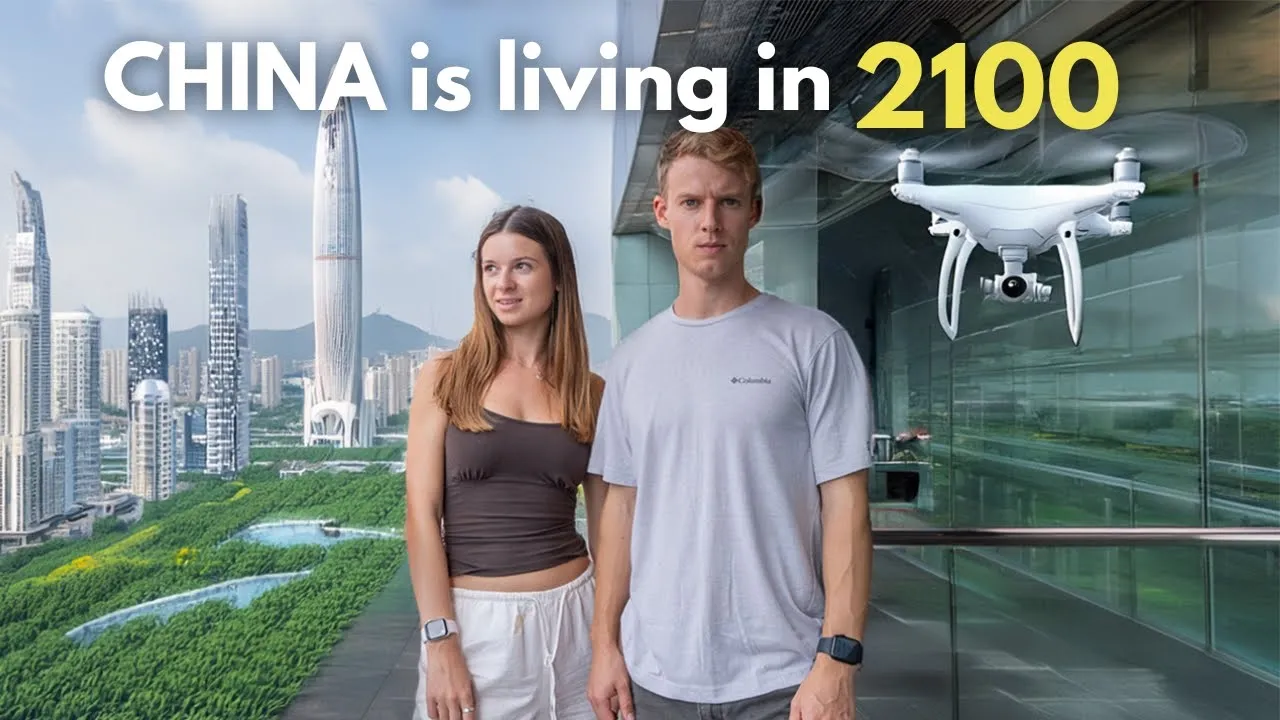
Joel and Emilia spend 48 hours exploring Shenzhen, focusing on technology used in daily life. They visit a robotics showroom with an exoskeleton and a robot barista, watch an ice-cream drone delivery and ride a Pony AI driverless taxi. The route also includes the DJI store, WeChat mini-program coffee ordering, the large electronics market and Orbit One, where robots deliver food. The couple discuss how technology, e-bikes, metro lines and QR payments fit into the city. Night lighting adds a final view of Shenzhen’s modern skyline.
Next travel video:

More about the current video:()
Robotics and drone delivery
Joel and Emilia explore Shenzhen’s technology scene, beginning at a robotics showroom. They see a leg exoskeleton designed to reduce effort while walking and a robot that prepares latte art. Another display uses a mind-controlled electric track, showing how technology can respond to a person’s movements. The couple consider how these devices could support people in daily life and how compact some systems have become.
Drone delivery is another part of the visit. The travelers order an item such as ice cream and watch the drone deliver it. They describe this service as relatively new and available in only a few cities, including Shenzhen and Shanghai. They also ride in a driverless taxi operated by Pony AI. The autonomous car navigates city streets, detects pedestrians and bicycles and makes turns without a human driver. The experience feels advanced and prompts questions about how transport may change.
Digital life and retail technology
The couple visit a DJI store and learn how Shenzhen has become an important center for drones and technology. They see how locals order coffee through WeChat mini-programs, which can reduce queues and allow contactless service. At the electronics market, they find a wide range of gadgets, components and secondhand items. They advise checking products carefully because the market can contain both genuine and replica goods.
At Orbit One, a robotic restaurant, robots deliver food to the table. The service is not fully automated, but it gives visitors a different dining experience. The route also passes driverless metro lines and e-bikes, which are common ways to travel locally. In the civic square area, skyscrapers and extensive cameras contribute to the modern city atmosphere the couple observe. They stay hydrated with local drinks such as Picari Sweat and use QR codes for purchases. At night, the city lights add to the experience, although special light displays may depend on the day of the week.
The trip presents Shenzhen as a technology hub where devices are integrated into transport, shopping and food service. These examples come from the couple’s 48-hour visit, and products or access can change. The combination of robot demonstrations, drone delivery, an autonomous taxi, electronics retail and digital payments gives viewers a practical look at technology they encountered rather than a prediction about what every city will adopt.
The travelers also see driverless metro lines and e-bikes while moving around Shenzhen, adding public transportation to the technology examples. In the city square, tall buildings and cameras shape the modern urban setting they describe. Their observations are tied to a short visit and should not be treated as a prediction that every service will be available everywhere. The combination of displays, transport and retail makes it easy to see why they describe Shenzhen as a major technology center. They compare systems that are already operating—such as ride-hailing, app-based coffee orders and QR payments—with newer demonstrations such as drone delivery and robotic assistance. The tour moves from showroom to public streets, showing how technology can appear in both commercial and everyday settings. The visit leaves them thinking about how personal assistance and transportation may change as these tools become more common.
FAQs (From the traveler's perspective)
- Q: What was the driverless taxi ride like?
- A: The car navigated traffic, overtook other vehicles and detected pedestrians and bikes without a human driver. The travelers found the experience advanced but somewhat unnerving.
- Q: How did the drone delivery work?
- A: The travelers ordered an item through an app, and a drone flew to their location, lowered the package and returned. They describe it as a newer service available in select cities.
- Q: What surprised them about technology in Shenzhen?
- A: The travelers were surprised by how technology is integrated into everyday activities. They saw robot baristas, autonomous taxis, drone delivery, a robot-run restaurant and interactive devices during their visit.
- Q: What is Shenzhen known for in technology?
- A: They describe Shenzhen as a major technology center and refer to it as China’s Silicon Valley. The visit highlights companies such as Huawei and DJI, electronics manufacturing and a range of advanced technology displays.
- Q: What did they see at the electronics market?
- A: The electronics market was vast and surprisingly clean. The couple found consumer gadgets, components and secondhand products, and also noticed items that might be replicas. They recommend checking authenticity carefully when shopping.