Travel Guides & Tips in this video
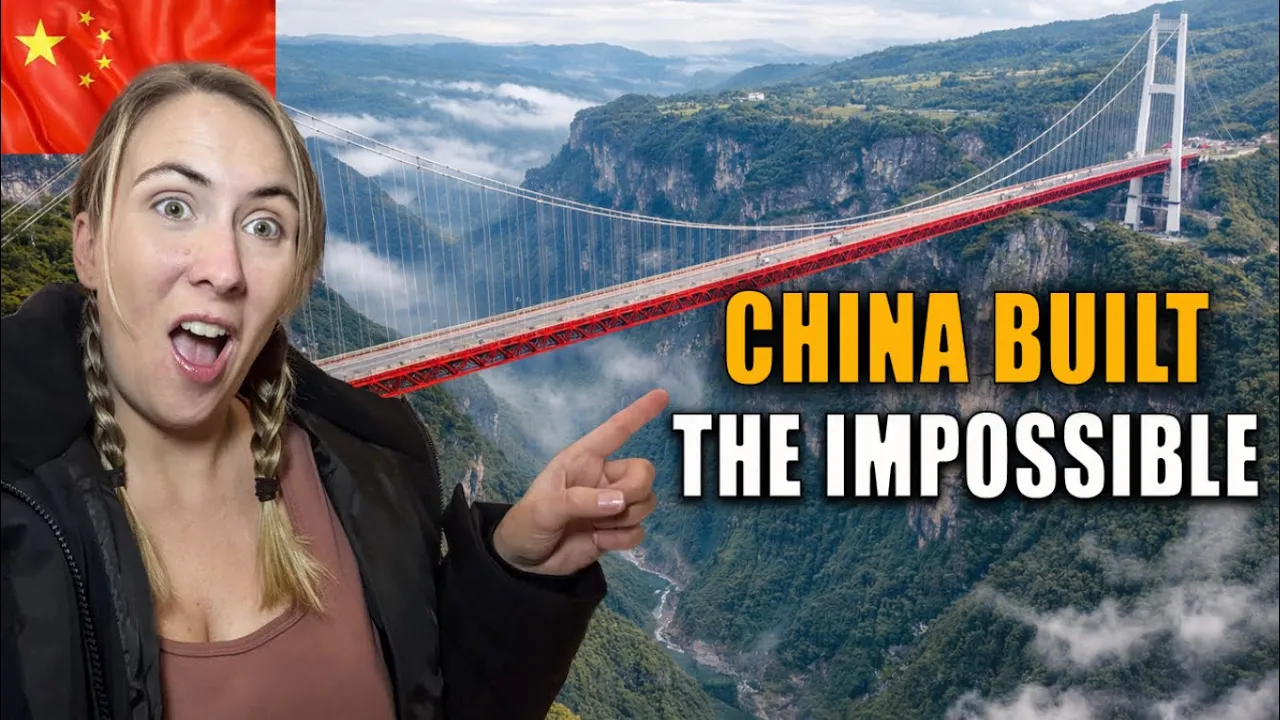
Reanne and Ben travel to Jishou, Hunan, to visit the Aizhai Bridge. They discuss the bridge's tunnel-to-tunnel suspension design, the canyon weather and construction challenges, and how it changed local travel by reducing a mountain crossing from about 30 minutes to roughly one minute. Their visit includes bungee and cloud-walk viewing platforms, local food and warm beer. The couple also consider how a major transport link became a tourist attraction and what the bridge represents in China's infrastructure story. The travelers discuss how the bridge shortened a mountain crossing from roughly 30 minutes to about one minute, changing how people and goods move through the area. They also consider how engineers handled canyon weather, heavy traffic and the difficult construction site. The visit includes viewpoints and platforms for visitors, while the bungee and cloud-walk areas bring tourism directly into the transport setting. Reanne and Ben connect their impressions of the bridge with questions about safety, weather, access and the role of large projects in shaping local and global travel.
Next travel video:

More about the current video:()

Visiting the Aizhai Bridge
Reanne and Ben travel to Jishou in Hunan to explore the Aizhai Bridge, a large suspension bridge high above a deep canyon. They discuss its tunnel-to-tunnel design and the engineering decisions involved in building in a place with challenging weather and terrain. The bridge shortened a mountain crossing that once took about 30 minutes to roughly one minute, changing local connectivity and travel logistics.
The travelers react to the height with nerves and excitement. They look at the bridge as both a transport route and a destination in its own right, with bungee and cloud-walk platforms that draw visitors. They talk about the weather and canyon conditions during construction, and mention materials such as carbon fiber and steel cable used to withstand demanding conditions.
Engineering and tourism
The visit becomes a discussion about how infrastructure can reshape travel, local access and perceptions of engineering. Reanne and Ben consider the balance between safety, weather and tourism when designing a structure in a remote canyon. They also reflect on the choice to make the bridge a place for visitors as well as a way to cross the landscape.
The couple's experience includes local food, skewers and warm beer, along with time at viewing platforms. Their questions about logistics and access turn into practical advice: plan around transport and viewing access, check when platforms are open, and allow time for the trip to the bridge. The journey connects an engineering project with the people who travel across it and the visitors drawn by its setting. The bridge's scale and location prompt a broader conversation about infrastructure and globalization, but the account remains grounded in what the travelers see at Aizhai.
FAQs (From the traveler's perspective)
- Q: What makes the Aizhai Bridge unique?
- A: It is described as the world's longest tunnel-to-tunnel suspension span, built to withstand canyon weather and heavy traffic. The bridge also serves as a tourist and engineering site.
- Q: How much did the bridge change the mountain crossing?
- A: The source says the crossing was reduced from about 30 minutes to roughly one minute of travel.
- Q: What can visitors do at the bridge?
- A: The visit includes viewing platforms, a cloud walk and bungee activities, alongside views of the canyon and bridge.