Travel Guides & Tips in this video
- Tip 1Adopt a 15-minute life circle mindset: live near work or study, find essential services within a short walk, and plan errands around this radius. (0:12)
- Tip 2Use hospital and pharmacy networks smartly; ask about over-the-counter options and culturally preferred remedies like TCM. (4:56)
- Tip 3Explore local parks as free, social spaces for exercise, relaxation, and community events to build local connections. (9:39)
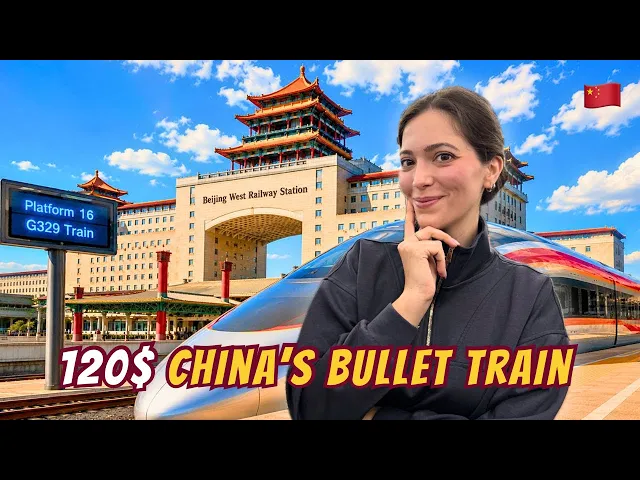
- Tip 4Understand public transit investments as people-focused infrastructure rather than profit generators; use it to gauge city priorities. (11:02)
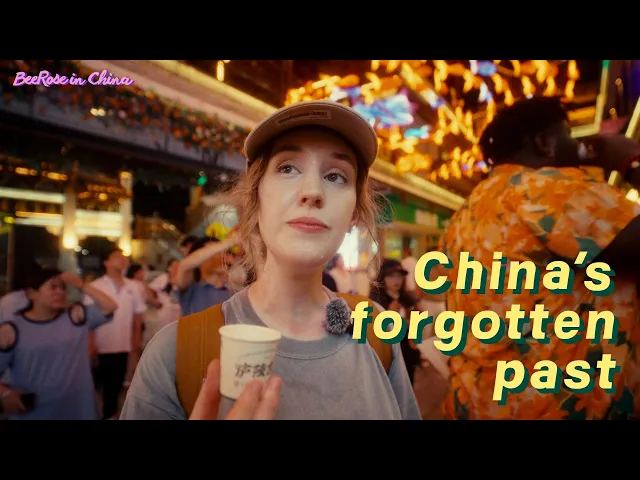
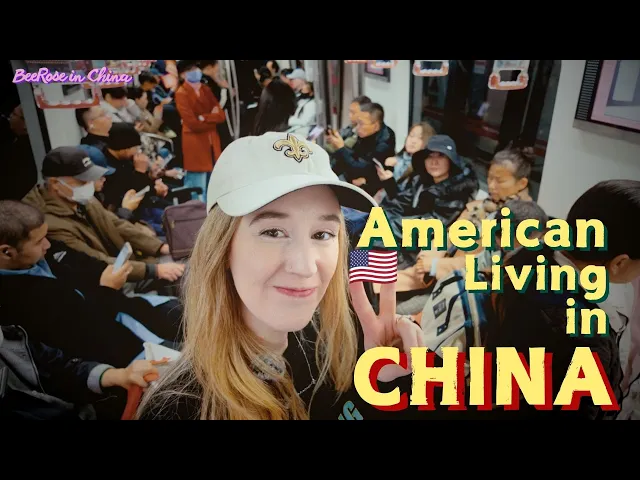
BeeRose In China takes viewers on a vivid walk through Beijing to illustrate the 15-minute life circle, a concept she describes as having everything you need within a 15-minute walk from home. She explains how this circles around daily life—food from subsidized canteens, affordable meals that cost just a few dollars, and the convenience of services like banks, hospitals, parks, and cinemas all within reach. The video blends personal experience with practical comparisons to life in America, highlighting lower costs, strong community spaces in parks, and the ease of everyday tasks facilitated by technology and a dense urban fabric. BeeRose shares how her own life changed after learning Chinese and embracing local health practices, from seeing doctors and using traditional Chinese medicine to exploring pharmacies that offer both Western and TCM remedies. She also discusses the social infrastructure, such as government-subsidized meals, Sunday bank hours, and the crucial role of parks in 9
More about the current video:( 35 / 35 )

BeeRose In China spends today showing what she calls the 15-minute life circle in Beijing, where everything you need is within a short walk from home. The trek starts with a budget-friendly canteen meal that costs around three dollars per person, a glimpse into subsidized food, and the cognitive shift she experienced after moving to China. She recalls how her life became easier after years of studying Chinese and using a local app called SuperChinese, which she credits for helping her practice grammar and engage with locals more naturally. The hospital visit segment highlights fast access to specialists, affordable X-rays, and the way prescriptions can often be filled within hospital pharmacies or local drugstores. The park scenes celebrate free recreational spaces that foster community and mental well-being. A surprising reveal comes with the discussion of public transit: trains and metros in China operate at a loss, built not for profit but to serve the people, a stark contrast to American priorities. BeeRose also botches the common belief that China is anti-religion by noting the visible presence of churches. Throughout, she emphasizes the cultural and practical shifts that come with embracing Chinese medicine, hot water cures, and traditional therapies, including a personal TCM tummy massage that helped regularize her digestion. The overall tone is reflective and hopeful, asserting that investments in people create cities that feel livable and connected. BeeRose ends by inviting viewers to share their thoughts on the 15-minute life circle and whether they have a similar concept where they live, underscoring her affection for China while reaffirming her love for America and hope for more people-centered development.