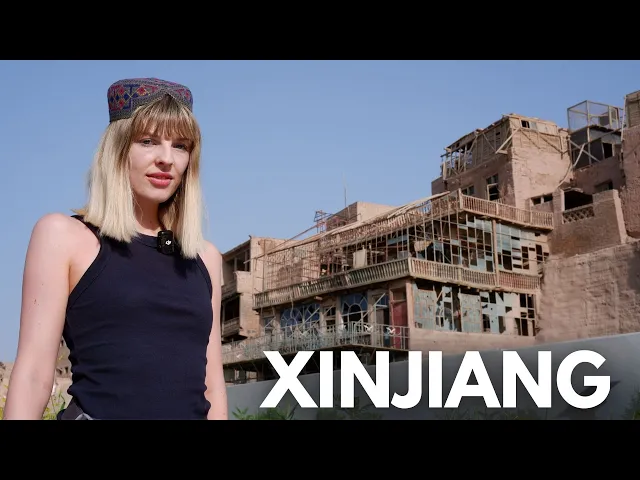
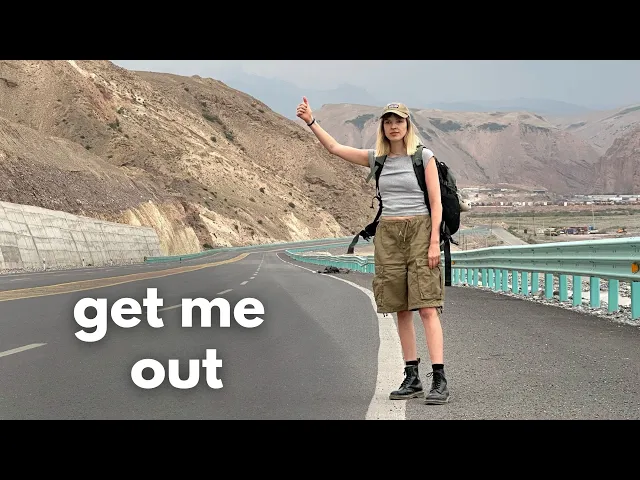
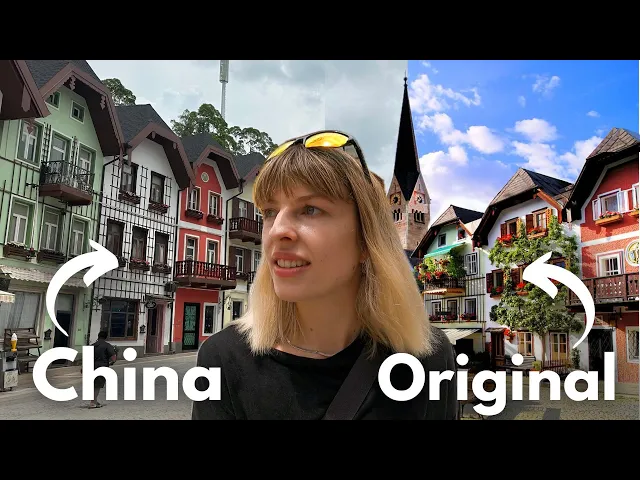
Xinjiang is by far China’s most restricted region. For many years, it was nearly impossible for foreigners to visit. Today, the situation has become a little more relaxed — so I decided to fly into Kashgar, China’s westernmost city.
Kashgar has a history of over 2,000 years and was once a key trading hub along the ancient Silk Road. But these days, the city makes headlines for very different reasons. Once the cradle of Uyghur culture, it’s now a place where Uyghur people face heavy restrictions in practicing their religion and preserving their traditions. At the same time, the Chinese government has transformed the city into a tourist hotspot for mainland visitors.
In this video, I wanted to find out whether the situation is really as severe as Western media claim. I couldn’t directly ask locals for their opinions, as it wouldn’t have been safe for them — but I witnessed the transformation of the city with my own eyes.
Cori Ander explores Kashgar, Xinjiang, experiencing its ancient Silk Road charm alongside unsettling modernization. A captivating journey revealing cultural clashes and surprising discoveries.
Travel Guides & Tips in this video
Journey into Xinjiang's Kashgar with Cori Ander unveils a city where ancient Silk Road history meets modern-day transformation. Witness the juxtaposition of restored old town charm and the controversial demolition of cultural landmarks. Cori's exploration reveals unique insights into the blend of Uyghur and Chinese cultures, while raising thought-provoking questions about preservation, modernization, and cultural identity.
Next travel video:
Kashgar: A Journey Through Xinjiang's Ancient Silk Road City
Xinjiang is by far China’s most restricted region. For many years, it was nearly impossible for foreigners to visit. Today, the situation has become a little more relaxed — so I decided to fly into Kashgar, China’s westernmost city.
Kashgar has a history of over 2,000 years and was once a key...
Kashgar Xinjiang: A Journey Through Ancient Silk Road City
Journey into Kashgar, a city steeped in 2000 years of history and a significant hub along the ancient Silk Road. Today, Kashgar is a city transformed, facing a complex interplay of cultural preservation and modernization. Cori Ander's exploration unveils a city where Uyghur traditions meet the realities of a modern tourist hotspot. Witness the city's evolution through Cori's eyes, from the traditional Uyghur bread and hat-making to the grandeur of the Id Kah Mosque and the remodeled roads. This captivating journey offers a glimpse into the cultural dynamics and challenges facing Kashgar today.
Attractions in this video: Atiqar Mosque, Grand Bazaar, Old Town Kashgar
More about the current video:(Published on 2025-07-10)
This video follows Cori Ander's journey through Kashgar, Xinjiang, a city steeped in over 2,000 years of history and situated along the ancient Silk Road. Cori begins by noting the city's controversial nature, highlighting the tension between the Chinese government's modernization efforts and concerns over the preservation of Uyghur heritage.
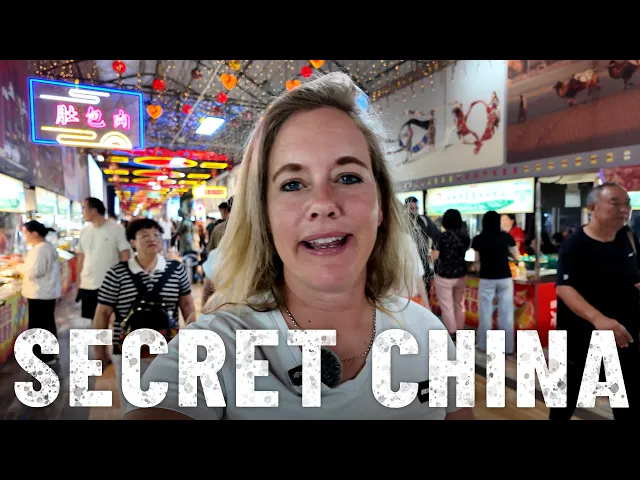
The video showcases the striking visual contrast between the newly rebuilt sections of the old town, with its vibrant markets and bustling atmosphere, and the areas that appear less renovated, offering a glimpse into the city's past. Cori's experience navigating local markets and interactions with vendors provides a personal touch, illustrating the challenges of using cash in a predominantly cashless society.
The visit to the Atigar Mosque reveals a unique atmosphere, with a surprising lack of strict dress code and the playing of upbeat, non-religious music. This contrasts sharply with Cori's experiences in other mosques, highlighting the distinct cultural context of Kashgar.
The exploration continues to areas where the traditional Uyghur way of life is still visible, with its unique architecture and quieter streets. Cori notes the stark contrast between these areas and the more modern, concrete buildings prevalent elsewhere in the city.
The video also features a visit to a bustling market, where Cori samples local delicacies, including unique noodles and camel milk treats. This segment offers a more light-hearted counterpoint to the more serious reflections on the city's cultural and political landscape.
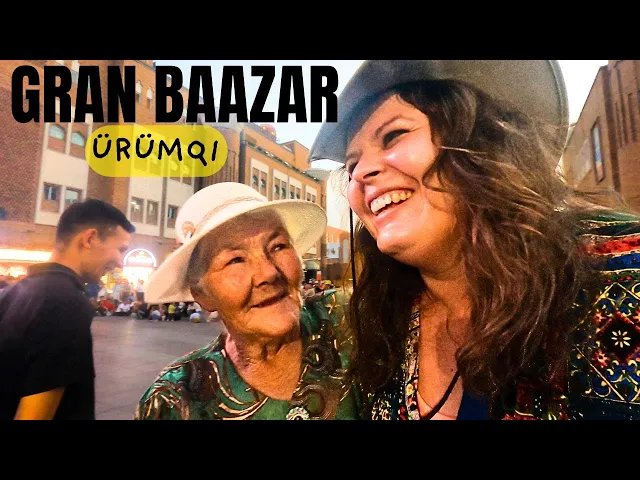
The exploration culminates with a visit to the site of the demolished Grand Bazaar, replaced by a modern hotel, leaving Cori with a profound sense of loss and raising questions about the balance between progress and preservation of cultural heritage. The video concludes with Cori's reflections on the complexities of the situation in Kashgar, acknowledging the lack of a definitive answer to the issues surrounding cultural preservation and modernization.
FAQs (From the traveler's perspective)
Q: What's it like paying for things in Kashgar?
A: It's difficult to pay with cash; most places only accept mobile payment systems like WeChat Pay.
Q: What was the most surprising thing about the Atigar Mosque?
A: The relaxed dress code and the upbeat, non-religious music playing inside were surprising compared to other mosques I've visited.
Q: What kind of food did you try in Kashgar?
A: I tried some unique yellow noodles, camel milk treats, and street food, including grilled ostrich eggs.
Q: What's your overall impression of Kashgar?
A: It's a fascinating city with a rich history, but the modernization efforts have caused a lot of cultural changes, and I'm still processing everything I saw.
Q: What's next on your trip?
A: I'm heading to Kyrgyzstan and then on to other Central Asian countries.