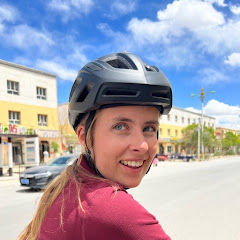
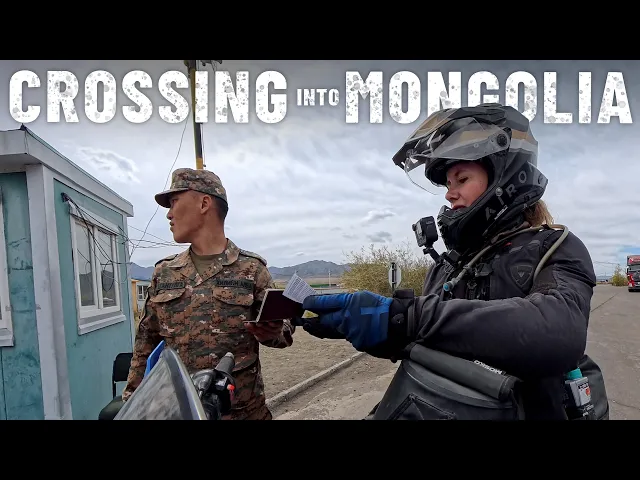
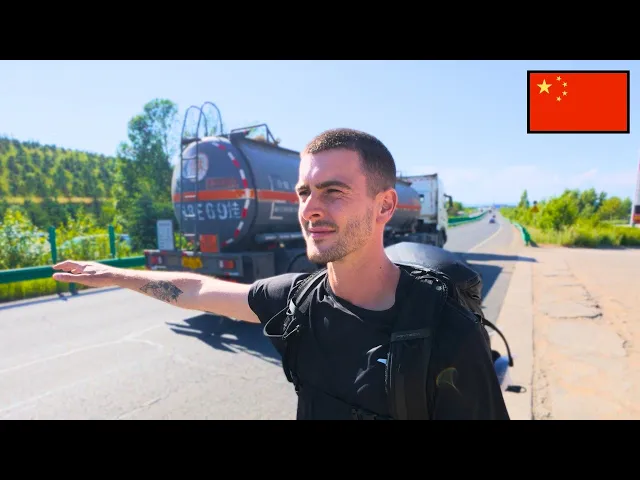
In this video, I explore a remote border town where China and Mongolia meet, just five minutes apart. The contrast between the two worlds is striking—from the bustling Chinese side to the quiet Mongolian landscape. This is a glimpse into life at the edge of nowhere.
Katherine explores a remote China-Mongolia border town, contrasting bustling Chinese trade with quiet Mongolian desert life, discovering surprising globalized
Travel Guides & Tips in this video
This border town visit is a masterclass in contrast. Katherine discovers that just five minutes apart, two worlds exist: one Chinese, bustling with trade and dinosaur decor, the other Mongolian, a desert frontier where imported snacks from Japan and Korea line the shelves. The surprise? A yurt on wheels, a temple with a prayer wheel's innards exposed, and kids who frolic past sunset. It's raw, surprising, and utterly human.
Next travel video:
32 min
2025
Chinese-Mongolian Border Town: Two Worlds 5 Minutes Apart
🐓🌾🚜My life in rural China full playlist🐓🌾🚜
Content creators can enjoy unlimited access to a huge variety of music - funky, peaceful, upbeat, or whatever else you’re looking for - and eliminate the headache of navigating copyright strikes on YouTube! All I can say is... wish I knew about it...
China Mongolia Border Town Life: Two Worlds Five Minutes Apart
Katherine takes us to a remote border town where China and Mongolia meet, revealing two worlds separated by just five minutes. From bustling Chinese markets to quiet Mongolian yurts, this video captures the unique blend of cultures. A must-watch for off-the-beaten-path travelers!
Attractions in this video: Gobi Desert, International Trade Mall, Dinosaur Park, Tibetan Buddhist Temple, Zamin Ud Town Center, Erlan Halt Border Town, Green Gorner Restaurant, Mongolian Yurt Village
More about the current video:(Published on 2025-10-26)
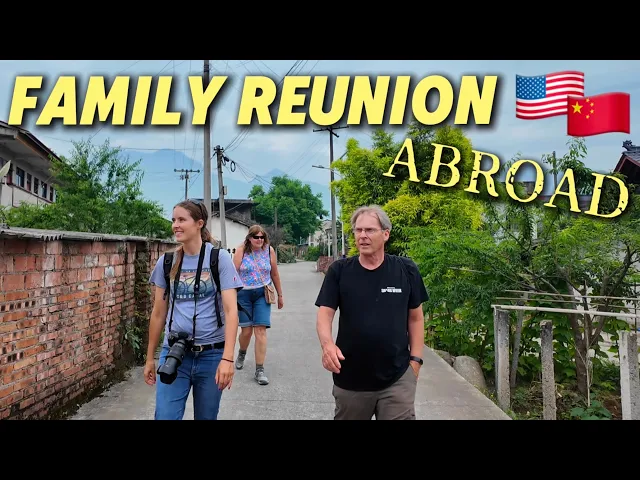
This video takes viewers to the China-Mongolia border, where two tiny desert towns sit just five minutes apart. Katherine and her husband Asaon explore both sides, revealing how two neighboring countries have developed their scraps of Gobi Desert land in completely different ways.
On the Chinese side, in a town called Arlan Halt, the streets are lined with shops selling Mongolian products—though these are locally produced by Inner Mongolia's ethnic Mongolian population, not imported from Mongolia. The town proudly displays its dinosaur fossil heritage, with dinosaur motifs everywhere, including on the elevator floor of their hotel. A bilingual sign in Chinese and traditional Mongolian script reminds men to avoid fighting, with the humorous warning: 'If you lose, you'll go to the hospital. If you win, you go to jail.'
The international trade mall is a fascinating hub where Mongolian visitors come to place orders on everything from electronics to cowboy boots to Christmas t-shirts. The signs are written in modern Mongolian Cyrillic script, catering to cross-border customers. Outside, a Chinese traveler has converted a yurt into a mobile home on wheels, pulling it across the country—a sight that captivates passing Mongolian visitors.
Crossing into Mongolia, the contrast is immediate. The town of Zamin Ud feels more desert-like, with sand visible everywhere and a distinct lack of greenery. The architecture is wildly diverse, with each house having its own unique character, unlike the uniform housing on the Chinese side. A surprising discovery: the local convenience stores stock almost exclusively Japanese and Korean snacks, with virtually no Chinese products. Katherine finds an Arizona snack with a Hispanic label, wondering how it ended up in this remote desert town.
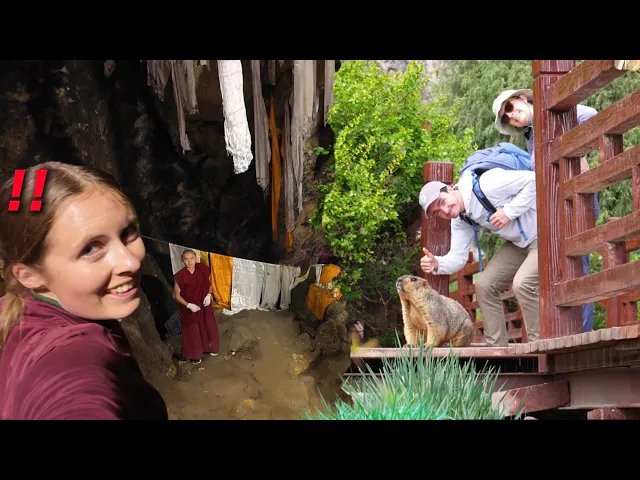
Local life reveals more contrasts. The Mongolian school operates on shifts due to limited classroom resources, and children are allowed to play freely in the yard late into the evening. A Tibetan Buddhist temple sits abandoned, its prayer wheels jammed by desert sand, with a new one built right behind it. The suburbs are a mix of yurts on concrete circles, log cabins, and colorful houses, many without running water but with multiple cars. The video ends with a touching encounter: a local man wearing an American flag on his sleeve, sparking a brief but warm cross-cultural moment. Katherine concludes that while the two towns are neighbors with nothing else around, the people on both sides are friendly and the experience is a fascinating glimpse into life at the edge of nowhere.
FAQs (From the traveler's perspective)
Q: Why were there no Chinese snacks available in the Mongolian convenience stores?
A: I was really confused because I expected to see Chinese snacks in a town right next to the Chinese border, but all the stores were full of Japanese and Korean snacks instead.
Q: What was the most surprising product you found in the Mongolian store?
A: This random snack from Arizona with a Hispanic label ended up on a shelf in a tiny Mongolian desert town. I've never even seen it before in the US, so it was fascinating to see how globalized supply chains work.
Q: Why is there so much wooden architecture in the Mongolian desert town?
A: Since Mongolia is very wood-scarce, especially in the Gobi Desert, residents deeply long for wood. Many buildings have fake wood paneling, and there's also real wood imported from somewhere, likely Russia.