Travel Guides & Tips in this video
Little Chinese Everywhere travels through Inner Mongolia to Arxan and its national park. The video contrasts European-style buildings in town with the surrounding Mongolian grasslands, and discusses the region’s many ethnic groups. The traveler films the hills and winter hay preparation in cold, windy weather, and visits the train station built during Japanese colonization. The trip also includes volcanic lakes, local flora and fauna, and a reindeer garden where residents explain how to feed the animals safely. A stop at a coffee shop includes a conversation with visitors from Beijing. The article preserves earlier FAQ details about a Mongolian breakfast and a summer visit during Naadam.
Next travel video:

More about the current video:()

Arxan’s town and grasslands
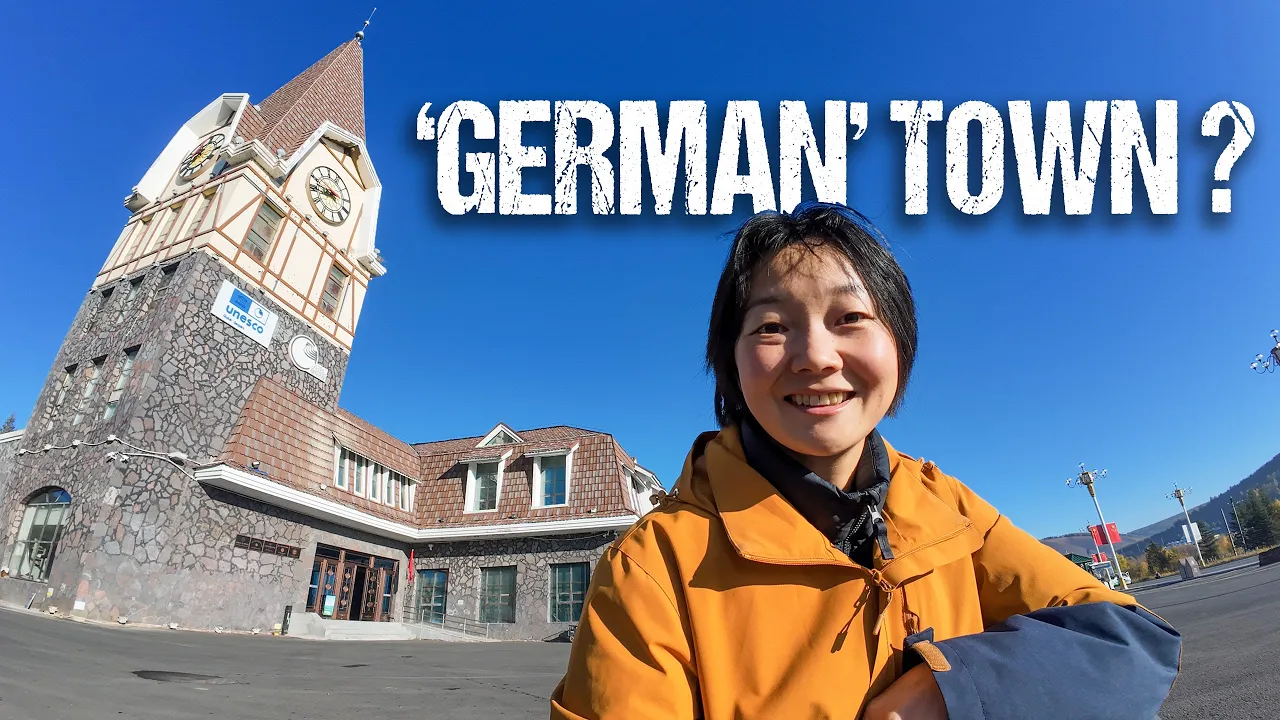
Little Chinese Everywhere travels through Inner Mongolia and explores Arxan, a town with European-style architecture surrounded by Mongolian grassland. The video discusses the region’s size and its many ethnic groups, including Mongolians, Dawar, Oroqen, and Ewenki people. Arxan’s buildings reflect European design influences, including Fachwerkhaus-style structures, while traditional yurts also appear in the area. The traveler visits the Arxan train station, which was built during Japanese colonization. Cold, windy weather makes filming challenging, and the video shows hay being transported as people prepare for winter.
National park and reindeer garden
The journey continues to Arxan National Park, with volcanic lakes and local plants and animals. At a reindeer garden, the traveler learns from local people how to feed the animals and takes care around their antlers. A coffee shop provides a chance to talk with visitors from Beijing. The trip closes with the traveler looking ahead to further exploration of Inner Mongolian culture in West Ujimuqin banner.
The video connects the architecture of Arxan with the grassland setting and the communities in the region. It includes a walk through town, rural scenery, and a visit to the park rather than focusing only on the German-style buildings. The traveler also notes the difficulty of filming in cold wind and the scale of the landscapes. Earlier questions about summer weather, local food, and coffee-shop activity remain part of the source FAQ material. The visit to Arxan National Park adds volcanic lakes and local plants and animals to the route. The traveler also goes to a reindeer garden, where local people explain how to feed the animals and how their antlers grow and shed. She holds the food high to keep it away from the antlers and learns that reindeer prefer moss, while sika deer prefer carrots. A coffee shop provides a break and a conversation with visitors from Beijing. The footage of grasslands reflects both the size of the landscape and the cold, windy conditions. The traveler notes hay being moved in preparation for winter. In town, Fachwerkhaus-style buildings and the train station’s history illustrate different influences on the architecture. The journey links these places with the range of ethnic communities in Inner Mongolia and concludes with the traveler looking forward to learning more about the region.
FAQs (From the traveler's perspective)
- Q: What is Arxan known for?
- A: The source highlights Arxan’s German-style architecture and its proximity to Arxan National Park. The video also shows the surrounding grasslands and reindeer garden.
- Q: When is a good time to visit the Inner Mongolian grasslands?
- A: The older source FAQ recommends summer, when the weather is warmer and the Naadam festival takes place. This detail is retained from the original FAQ section.
- Q: What food did the traveler try?
- A: The older FAQ mentions a Mongolian breakfast bag with biscuits, dried milk, beef, dried milk curd, and milk tea, as well as local mushrooms.
- Q: What was feeding reindeer like?
- A: The traveler describes it as fun but says visitors need to be careful around the animals’ antlers. The reindeer garden staff explain how to feed them safely.
- Q: What was the coffee shop like?
- A: The traveler describes it as a relaxing place to have lunch and speak with locals. The original FAQ says the shop sold more than 100 cups of coffee that day.