Travel Guides & Tips in this video
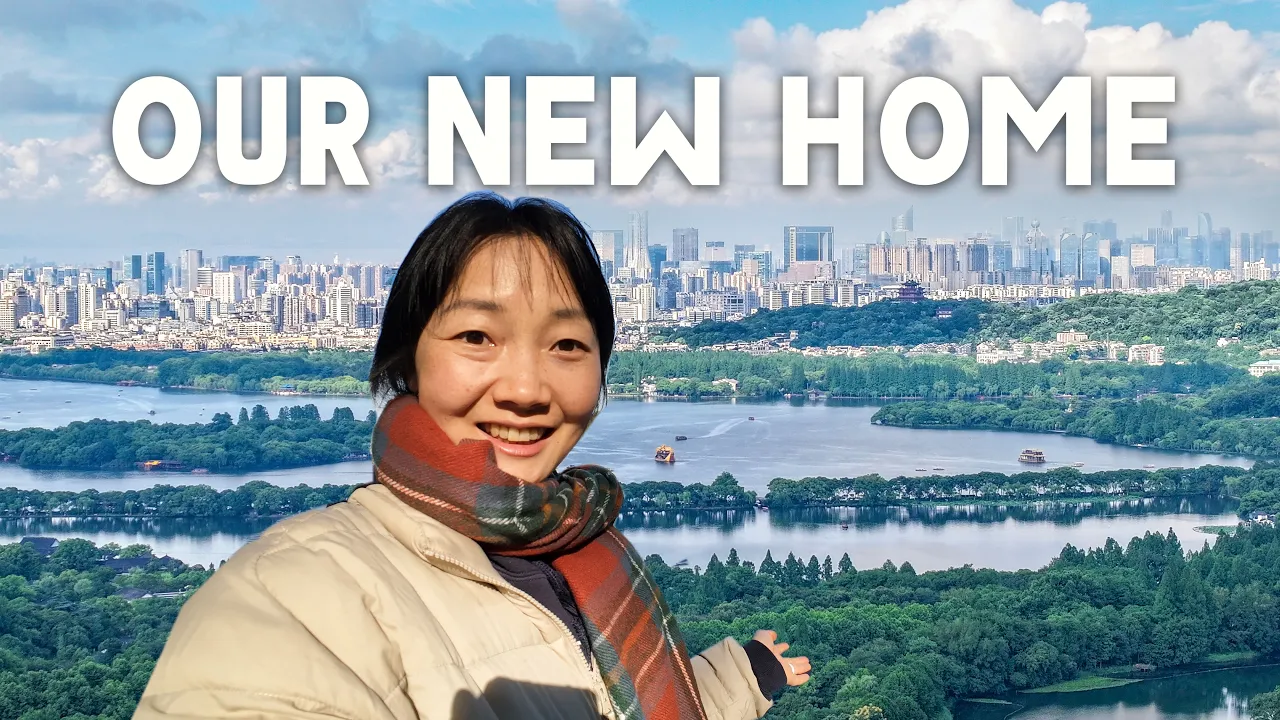
Little Chinese Everywhere returns to Hangzhou after a long Silk Road journey and explores the city by electric scooter. In Shangcheng, the route passes tree-lined streets, the bell tower and Hefang Jie, a renovated historical district with shops, tea houses and old pharmacies. The traveler visits a local market, where dried fish, seasonal fruit, walnuts and Chinese hickory appear among the stalls, and tries Longjing tea, mandarin and salted egg pastries. The video also includes West Lake, nearby tea fields, a boat ride and pavilions. The traveler reflects on Hangzhou’s clean, organized streets and green spaces, and walks along the Qiantang River to Urban Balcony near the CBD. A cold coffee ritual and a thought about life’s bitter-to-sweet turns close the visit. The traveler also takes a boat ride on West Lake and visits its pavilions, then continues to the nearby Longjing tea countryside. A market stop includes seasonal fruit, dried fish and conversations about local walnuts and Chinese hickory. Later, a walk beside the Qiantang River leads toward Urban Balcony near Hangzhou’s CBD. The account connects these everyday outings with the traveler’s view of Hangzhou as green, organized and livable.
Next travel video:

More about the current video:()
The journey and its setting
The video follows the traveler as they revisit Hangzhou, describing the city’s long history and its status as a historical, yet modern, hub. They explore Shangcheng district on an electric scooter, noting how the city is clean, organized, and surprisingly quiet thanks to widespread electric mobility. The route passes by the bell tower and Hefang Jie, a renovated historic street now filled with shops, silk sellers, and time-honored brands. They savor local snacks—longjing tea pastries, mandarin pastries, and a savory beef noodle dish—while reflecting on local markets as a distinctive gateway to China’s regional flavors.
Encounters and local details
A key moment is the market visit where they try seasonal fruits like kaki and various snacks, learn about local produce, and chat with vendors about walnuts and Chinese hickory. The West Lake segment captures Hangzhou’s soul, with boat rides, pavilions, and the tradition of tea production nearby. The video closes with a philosophical aside on life’s bitter-to-sweet journey, mirrored by a cold coffee ritual and a walk along Qiantang River, ending at Urban Balcony near the CBD. The traveler repeatedly roots for Hangzhou’s green, human-scale charm and invites viewers to explore with Little Chinese Everywhere.
FAQs (From the traveler's perspective)
- Q: What makes Hangzhou feel special to locals?
- A: People describe Hangzhou as extraordinarily green, organized, and connected by easy bike or scooter travel, with a rich history that still breathes through neighborhoods like Hefang Jie and the tea countryside nearby.
- Q: What makes Hangzhou feel special to locals?
- A: People describe Hangzhou as extraordinarily green, organized, and connected by easy bike or scooter travel.
- Q: Which parts of Hangzhou does the traveler explore?
- A: The traveler explores Shangcheng by electric scooter, including tree-lined streets, the bell tower, and Hefang Jie, a historical district with shops and tea houses.
- Q: What tea is featured in the Hangzhou trip?
- A: The traveler visits Longjing tea fields and discusses Longjing tea as part of the Hangzhou route.