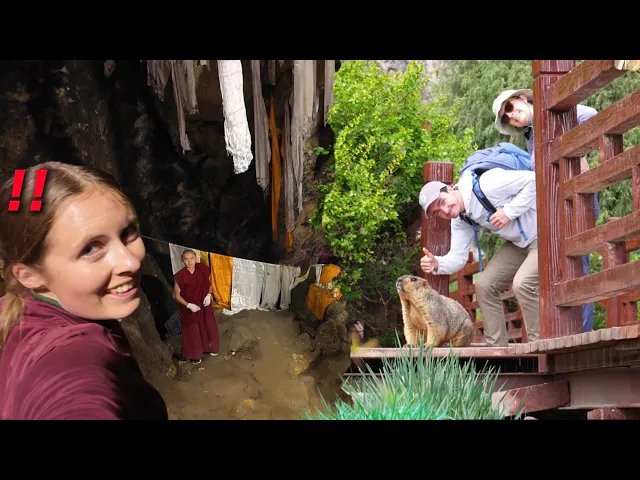
Katherine takes her parents to remote Tibetan villages in Sichuan, exploring caterpillar fungus markets, mountain huts, and a 100-year-old home, revealing the
Travel Guides & Tips in this video
Katherine gives her parents an unforgettable taste of rural Tibetan life in Sichuan, from caterpillar fungus markets to a luxurious mountain mansion. They discover fraternal polyandry, hike to a 100-year-old village, and marvel at the ornate details that define Tibetan culture. A serendipitous guide leads them to a hidden world of tradition and change.
Next travel video:
26 min
Tibetan Village Life: Modern vs Retro in Rural China
House tours, caterpillar fungus market, giant waterfall, prayer wheels & more
🐓🌾🚜My life in rural China full playlist🐓🌾🚜
Content creators can enjoy unlimited access to a huge variety of music - funky, peaceful, upbeat, or whatever else you’re looking for - and eliminate the headache of...
Tibetan Village Life in Sichuan: Caterpillar Fungus & Polyandry
In this captivating episode, Katherine embarks on a heartwarming journey with her parents to remote Tibetan villages in rural China. They explore the contrast between modern and retro life, visiting a bustling caterpillar fungus market, marveling at a giant waterfall, and spinning prayer wheels. This video offers a unique glimpse into the daily lives and traditions of Tibetan communities, blending family bonding with cultural discovery.
Attractions in this video: Songpan Ancient Town, Caterpillar Fungus Market, Tibetan Mountain Village
More about the current video:(Published on 2026-06-29)
In this video, Katherine brings her parents to the remote Tibetan villages of Sichuan's Aba region, starting in the charming town of Songpan. The family dives into the bustling caterpillar fungus market, where locals clean and sell the parasitic fungus used for medicinal tea. Katherine's parents are fascinated by the ornate Tibetan car decorations, from solar-powered prayer wheels to embroidered tissue boxes and sparkly doodads.
They hire a car to explore snow-capped mountains and stop at a mountain hut, where they buy the best homemade yak jerky of the trip. The hut owner shares a surprising local tradition: fraternal polyandry, where two brothers share one wife. This rare practice was once common to prevent land fragmentation.
Back in town, they befriend a local named Gongdong at a restaurant, who becomes their guide for the next few days. The group visits a temple with a massive prayer wheel and the residence of a reincarnated Buddha (a child). They hike to a 600-year-old ruined temple destroyed during the Cultural Revolution, still showing faded murals.
The highlight is a journey to Gongdong's wife's remote mountain village, originally a military outpost. They explore a 100-year-old traditional Tibetan house with a ladder entrance, a fire pit, and a bathroom that drops straight down. The attention to detail in the woodwork and decorations, even in a humble home, is striking. Katherine notes that despite limited resources, the villagers prioritized beauty in their homes.
They also visit Gongdong's modern family house, a $150,000 wooden mansion used only two months a year—a stark contrast to the retro village life. Katherine reflects on the luxury her parents experience, noting that a house like this is unattainable for most of her peers back in the US. The video ends with a promise of more adventures in the next vlog, leaving viewers with a deep appreciation for the blend of tradition and modernity in rural Tibet.
FAQs (From the traveler's perspective)
Q: What is caterpillar fungus?
A: It's a parasitic fungus that takes over a caterpillar. Used for medicinal tea for immune system. It's a unique delicacy.
Q: What is fraternal polyandry?
A: In traditional Tibetan society, two brothers share one wife to prevent land fragmentation. It's rare now, but we met a man who said his neighbor and his brother have the same wife.
Q: Why are there swastikas on everything?
A: It's actually an ancient Buddhist symbol that came before the Nazi swastika. It's a positive symbol in Buddhism.
Q: Why are bathrooms outside the house?
A: Many Tibetans and Hui people consider it dirty to have a bathroom inside the house, so they build them separately.
Q: How much does it cost to renovate a Tibetan house?
A: The house we saw cost 1 million RMB, about $150,000, to renovate with all that wood.