

Travel Guides & Tips in this video
CoolVision travels by fast train from Hong Kong to Guangzhou and looks at the city’s mix of trade, modern development and history. The video discusses the Canton Fair and wholesale markets, where lamps, toys and other goods are available at lower prices than in some other markets. CoolVision also explores Guangzhou’s food scene, metro system, central business district, Guangzhou Opera House and Guangzhou Library. The visit includes Shamian Island’s colonial-era buildings and pedestrian streets. The traveler reflects on cashless payments, migration, air pollution, green initiatives and the contrast between socialist slogans and international brands.
Next travel video:
More about the current video:()
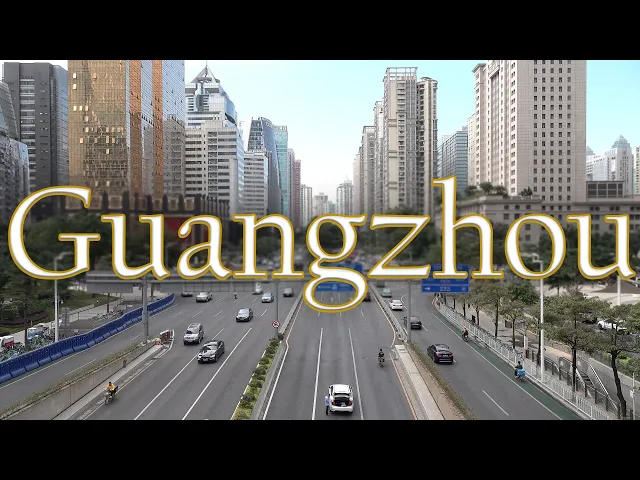
Trade, transport and city scale
CoolVision arrives in Guangzhou from Hong Kong by fast train and begins with the practical differences of the city. Many transactions rely on WeChat Pay and UnionPay, so travelers need to plan for payments and local currency. The city has a long history as a trade center: the source describes 2,200 years of history and its location on the Pearl River within the Pearl River Delta, a large urban area of 50 million people. CoolVision visits wholesale markets and sees a range of goods, including lamps and toys, at prices below those in other markets. The video also discusses Guangzhou’s manufacturing role, the Canton Fair and the importance of international trade.
Modern Guangzhou and its history
The city’s central business district includes modern towers, the Guangzhou Opera House and Guangzhou Library. CoolVision also talks about the metro, public transport and bicycles and electric scooters as part of green initiatives. The traveler notices air pollution associated with rapid industrialization while also describing parks and green spaces. Food is another major theme, with Cantonese dishes such as sweet and sour pork, wonton soup and dim sum, and the possibility of unexpectedly large portions. The video covers the city’s migrant population, including people from other parts of China and an African community, and discusses reasons for migration such as work and marriage. Shamian Island preserves colonial-era architecture and quiet pedestrian avenues. The episode also observes socialist slogans alongside international brands and mentions expensive real estate and smoking. These details give a broad, personal view of a city shaped by trade, migration, infrastructure and history. CoolVision also discusses how Guangzhou’s size is connected to trade, manufacturing and migration. The Pearl River location connects it with the wider Pearl River Delta, and the video describes the urban region as including 50 million people. Guangzhou’s 2,200-year history and its role in trade sit alongside modern business areas and the Canton Fair. At wholesale markets, CoolVision looks at lamps, toys and other goods, noting how prices and quality challenge assumptions about products made in China. The traveler also comments on air pollution from industrial growth and on efforts to encourage bicycles and electric scooters. Parks and public transport offer another view of the city. Food includes Cantonese specialties, and the traveler notices the generous portions and variety of restaurants. The video’s discussion of migration includes people arriving from other Chinese regions and a substantial African community, with work and marriage mentioned as reasons for moving. Some migrants also face immigration-policy challenges. On Shamian Island, colonial-era architecture gives a sense of a different period. The walk through the city ends with observations about socialist slogans beside global brands and the high cost of real estate.
FAQs (From the traveler's perspective)
- Q: What is a convenient way to travel from Hong Kong to Guangzhou?
- A: CoolVision takes a fast train between the cities, and the source describes the trip as convenient and about an hour long.
- Q: What is the food like in Guangzhou?
- A: The video features Cantonese dishes including sweet and sour pork, wonton soup and dim sum. It also notes that restaurant portions can be large.
- Q: What is Shamian Island known for?
- A: The source describes it as a historic area with colonial-era architecture and pedestrian avenues.
- Q: How do people commonly pay in Guangzhou?
- A: The source says many local transactions use WeChat Pay and UnionPay, so travelers should plan for payment access or carry local currency.
- Q: What does the video say about Guangzhou’s migrant population?
- A: It discusses migration from other parts of China and a substantial African community, including work and marriage among reasons people move.