
Travel Guides & Tips in this video
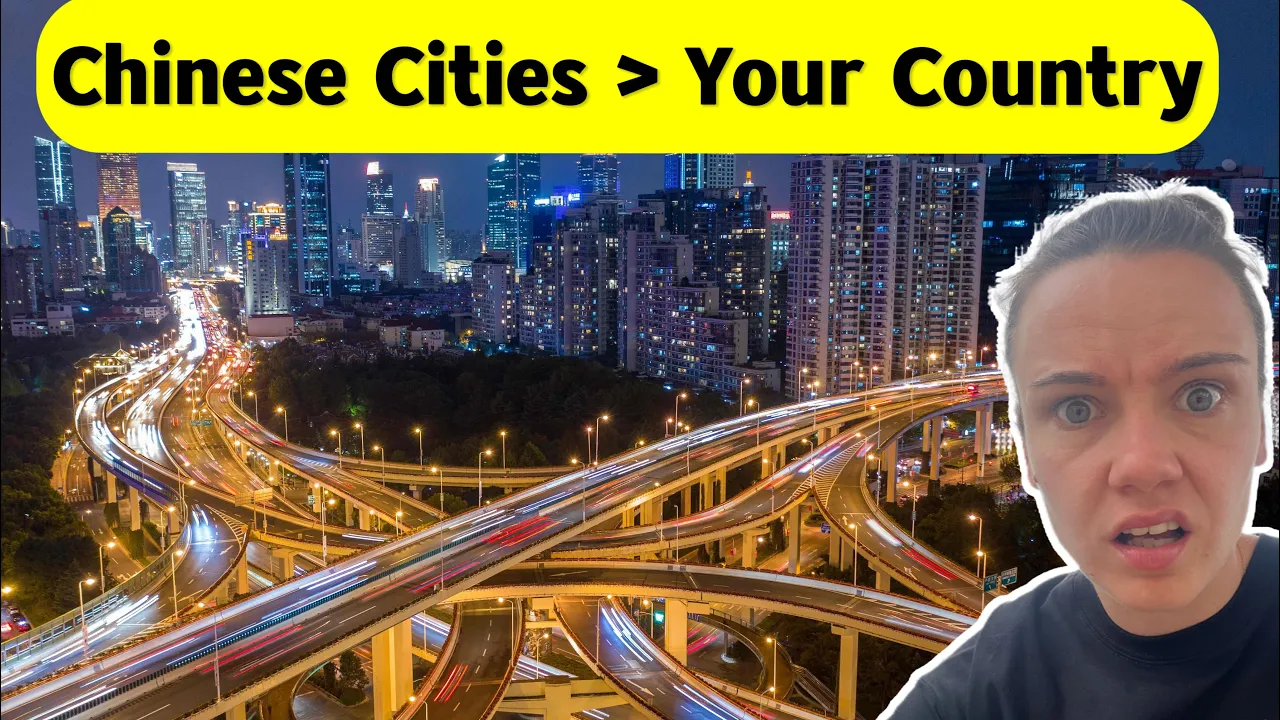
Because I’m Lizzy explores lesser-known Chinese cities and the economic changes shaping them. She visits Fushan, a manufacturing center for electrical appliances that may produce about half of the world’s air conditioners; Guiyang, which has shifted toward services, computing, and big data; Wuxi, with its industrial and scientific district and the world’s tallest Buddha statue; Ningbo, a coastal trade hub; and Jinan, with a high-tech and export-processing zone. The journey highlights how more than 113 Chinese cities have populations above one million and how Special Economic Zones and port cities have influenced development. The examples connect economic policy with changes that travelers can see on the ground. Special Economic Zones attracted foreign investment and reshaped city development, while port cities such as Ningbo supported trade across the Yangtze River Delta. Wuxi’s New District shows how industrial parks can also become centers for scientific innovation. Together, the five stops illustrate that China’s urban growth includes manufacturing, services, research, and export activity.
Next travel video:

More about the current video:()

Cities beyond the familiar centers
Because I’m Lizzy looks at Chinese cities beyond Beijing and Shanghai, focusing on urban growth and economic change. She notes that more than 113 cities in China have populations above one million. The scale of urbanization is reflected in the range of places she visits, each with a different role in the national economy.
Fushan is presented as a major manufacturing center that produces a significant share of the world’s electrical appliances. Guiyang offers a different example: it has shifted from a manufacturing-based economy toward services, especially computing and big data. The contrasts help show how cities can diversify rather than follow one economic path.
Industry, ports, and technology
Wuxi’s New District developed into a large industrial park and center for scientific and industrial innovation. Ningbo’s designation as an open coastal city and its position as a trade hub for the Yangtze River Delta demonstrate the importance of ports in China’s development. Jinan has a high-tech industrial zone and an export-processing zone, highlighting technology and trade.
The video also discusses Special Economic Zones and their role in shifting economic activity and attracting foreign investment. Lizzy’s route makes the changes more concrete: manufacturing, services, research, trade, and technology are visible in different cities. These places are less familiar to many viewers than the largest coastal centers, but they show the scale and variety of China’s urban landscape.
Wuxi is also home to the Grand Buddha statue, described as the world’s tallest. Fushan may produce about half of the world’s air conditioners, alongside its wider electrical-appliance manufacturing. These examples add to the economic contrast between industry, research, trade, and services.
FAQs (From the traveler's perspective)
- Q: How many Chinese cities have over a million residents?
- A: The video says more than 113 cities in China have populations above one million.
- Q: What has Guiyang’s economy shifted toward?
- A: The video describes a move from manufacturing toward services, especially computing and big data.
- Q: Why is Ningbo important?
- A: Ningbo is an open coastal city and a trade hub for the Yangtze River Delta, illustrating the role of ports in China’s economic strategy.
