This video by Blondie In China explores the surprising similarities between French and Chinese cuisine, focusing less on taste and more on food philosophy and techniques. Blondie, throughout her two-week stay in France, continually draws parallels with her experiences in China. The video isn't about identical tastes, but rather the shared approaches to cooking.
First, both cultures utilize unconventional proteins like frog legs, snails, and various offal, showcasing resourcefulness and a willingness to explore diverse ingredients. Blondie recounts her experience eating snails in France, comparing the texture to abalone and recalling similar dishes from her travels in China, particularly in Guilin and Yangshuo. She then contrasts the preparation of frog legs, noting the more delicate French style compared to the bolder Chinese approach.
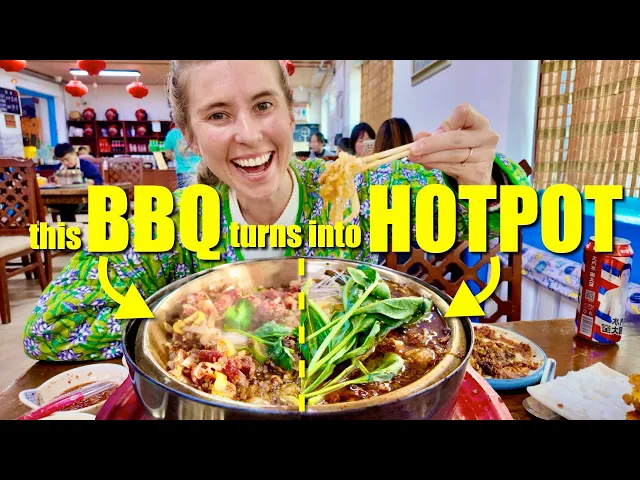
Next, the video highlights the shared value of nose-to-tail consumption, where the whole animal is used to minimize waste. This practice is prevalent in both countries, reflecting a history of utilizing affordable cuts of meat creatively, exemplified by the Chongqing hot pot, which masks the flavor of offal with bold spices. Blondie visits a Parisian food store, examining various foie gras options and contrasting the French approach of transforming offal into visually appealing dishes with the more direct approach seen in Chinese cuisine. The discussion of foie gras leads to a comparison of bread in France and rice in China, both serving as essential accompaniments that soak up the juices of a meal.
Blondie further points out the creative use of staple carbs in both cultures, highlighting the French mastery of flour and the Chinese mastery of rice. She shares anecdotes about the versatility of baguettes in French cuisine, even repurposing stale bread, and contrasts it with similar resourceful uses of rice in China. The video also touches upon cultural differences, such as the etiquette surrounding street eating in France.
The love of duck in both cuisines is another significant point of comparison, with Blondie showcasing various duck dishes in Paris and discussing the use of alcohol, such as wine, in French cooking, drawing a parallel with the use of Shaoxing wine in Chinese cuisine. Blondie then compares the preparation of poultry, noting the differences in presentation between French and Chinese styles.
Finally, the video concludes by highlighting the use of mold in both cuisines, referencing cheese in France and Mao Tofu in Anhui, China. Blondie also notes the intellectual and technical approaches to food in both cultures, citing examples of influential figures who shaped culinary traditions in both France and China. The video ends with Blondie inviting viewers to share their thoughts on the similarities she's highlighted.
FAQs (From the traveler's perspective)
- Q: What's the most surprising thing about French food?
- A: Probably the similarities with Chinese food, especially in using offal and cooking techniques.
- Q: What did you think of the snails?
- A: The texture was like a chewy oyster, kind of like abalone. I liked them better without the bread.
- Q: What's your opinion on the frog legs?
- A: I love frog! The French style is more delicate and subtle than the Chinese style, and you can taste the frog meat itself.
- Q: What about the foie gras?
- A: It was really rich and fatty, and the fig jam helped cut through the richness. It had the same aftertaste as roast duck.
- Q: What's your favorite duck dish?
- A: The roasted duck breast with balsamic reduction sauce was cooked to perfection and so juicy and flavorful!
- Q: What's a unique similarity between French and Chinese cuisine?
- A: Both cultures use mold in their food. In France, it's cheese, and in China, it's Mao Tofu.