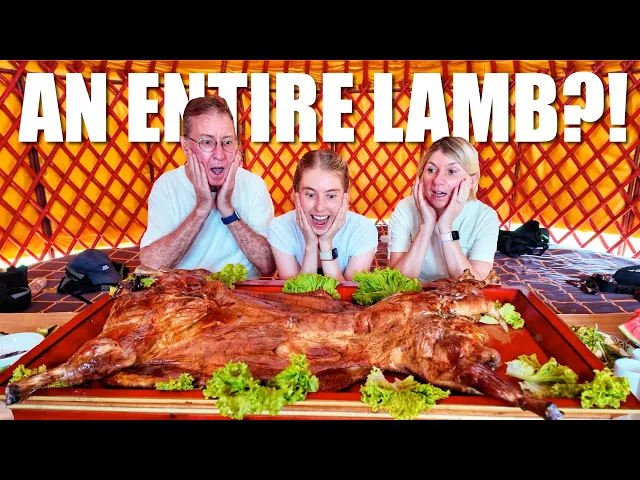
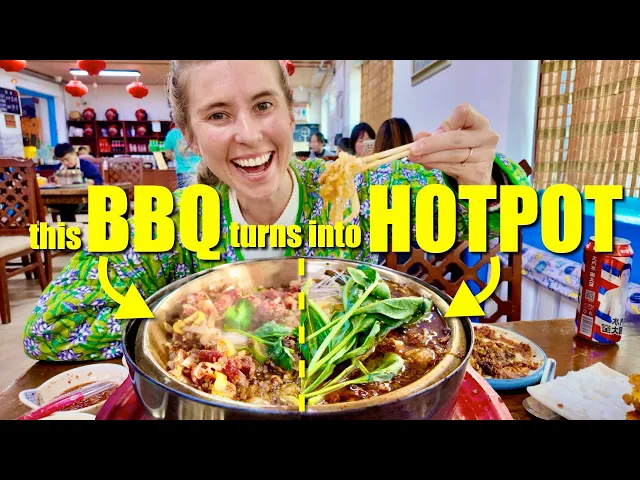
Ready for a showstopper?? In today's Inner Mongolia food adventure we're eating an entire roast lamb on the spit!!! We also go horse riding in the epic Xilingol grasslands, and experience throat singing!
Blondie In China explores Inner Mongolia's roast lamb and grasslands, then walks the Camino in Spain, contrasting cultures and cuisines.
Travel Guides & Tips in this video
Embark on a dual adventure with Blondie In China as she and her parents explore Inner Mongolia's culinary heart, feasting on a whole roast lamb and experiencing traditional horse riding. Discover the stark difference between authentic Mongolian lamb and its Australian counterpart. The journey then shifts dramatically to Spain, walking the Camino Portuguese, savoring local treats like Portuguese egg tarts and Spanish hot chocolate, and reflecting on the simple beauty of the pilgrimage.
Ready for a showstopper?? In today's Inner Mongolia food adventure we're eating an entire roast lamb on the spit!!! We also go horse riding in the epic Xilingol grasslands, and experience throat singing! Plus stick around to the end to check out what my family and I got up to while walking the Camino...
Inner Mongolia Roast Lamb & Camino Walk: China to Spain Travel
Embark on an unforgettable Inner Mongolian culinary journey! Witness the spectacle of an entire roast lamb spit-roasted to perfection, a true feast for the senses. Beyond the incredible food, immerse yourself in the breathtaking beauty of the Xilingol grasslands with exhilarating horse riding. Experience the unique cultural art of throat singing, a mesmerizing vocal tradition. This adventure promises a vibrant taste of Inner Mongolia's rich heritage and stunning landscapes.
Attractions in this video: Xilingol Grasslands, Zhu Long Cave
More about the current video:(Published on 2025-09-15)
This video takes viewers on an extraordinary culinary and cultural journey, starting in the vast Inner Mongolian grasslands and concluding on the historic Camino Portuguese in Spain. The adventure begins with Blondie In China and her parents experiencing the iconic Inner Mongolian roast lamb on a spit. The preparation is a meticulous process, involving slow roasting and basting with a secret soy sauce mix, resulting in incredibly tender meat and crispy, flavorful skin. The meal is a communal affair, feeding over 30 people and enjoyed with fresh vegetables and spices. This authentic Mongolian lamb is a stark contrast to the "Mongolian lamb" found in Australian Chinese restaurants, which is characterized by its saucy, onion-heavy, and sizzling presentation.
Beyond the main lamb dish, the culinary exploration in Inner Mongolia includes "shoko," or stone pot lamb, where ribs are cooked with heated stones, carrots, and potatoes, offering a rich, tender, and flavorful experience reminiscent of a Sunday roast. A unique delicacy highlighted is the fat-tailed sheep, particularly the nutrient-rich tail, which is incredibly succulent and fatty, enjoyed with or without a spicy barbecue mix. The journey also touches upon the local culture through horse riding across the expansive grasslands, a traditional mode of transport. The experience is further enriched by a mesmerizing performance of throat singing (humai) and the accompanying horse head fiddle, showcasing ancient nomadic traditions.
The narrative then takes a dramatic turn, shifting from the steppes of China to the pilgrim trails of Spain. The latter part of the video follows Blondie In China, her parents, and a friend on the final leg of the Camino Portuguese, walking towards Santiago de Compostela. This segment emphasizes the simple joys of walking, eating, and connecting with others, a stark contrast to the elaborate meals in Mongolia. The distinct culinary differences between Portugal and Spain are noted, with Portuguese egg tarts giving way to thick Spanish hot chocolate and churros. The experience of collecting pilgrim passport stamps and navigating the well-marked trails provides a glimpse into the spiritual and communal aspects of the Camino. The video concludes by reflecting on the cultural whiplash of experiencing such diverse journeys within a single trip, leaving viewers with a sense of wonder and a desire to explore these contrasting worlds.
FAQs (From the traveler's perspective)
Q: What was the most spectacular rainbow seen?
A: It was a double rainbow that spanned the entire sky, a truly magical sight.
Q: What is the Chinese word for jeans?
A: The word for jeans in Chinese is 'new,' which literally means 'cowboy pants.'
Q: How is the authentic Mongolian lamb prepared?
A: It's an entire lamb roasted on a spit, with a secret soy sauce mix sprayed on for flavor, resulting in tender meat and crispy skin.
Q: How does Australian Mongolian lamb differ from the authentic version?
A: Australian Mongolian lamb is typically saucier, contains a lot of onions, and is served sizzling, unlike the natural state of the Inner Mongolian dish.
Q: What is 'shoko' lamb?
A: It's Inner Mongolian lamb ribs cooked in a pot with heated stones, carrots, and potatoes, sealed and slow-cooked.
Q: What is special about the fat-tailed sheep?
A: It's a breed adapted to grasslands, storing fat in its tail, which is considered the most nutrient-rich and succulent part of the sheep.
Q: What is throat singing?
A: Throat singing, or humai, is a unique Inner Mongolian tradition where a singer produces two sounds at once by manipulating their throat and mouth, mimicking natural sounds.
Q: What is the Camino Portuguese?
A: It's a pilgrimage route in Spain that ends in Santiago de Compostela, involving walking through villages and experiencing local culture and food.
Q: What's the difference between Portuguese and Spanish egg tarts?
A: Portuguese versions often have more cinnamon, while Spanish cuisine features thick hot chocolate and churros instead of egg tarts.
Q: What is a pilgrim passport?
A: It's a credential collected along the Camino, with stamps from cafes and accommodations, serving as a record of the journey.