Travel Guides & Tips in this video
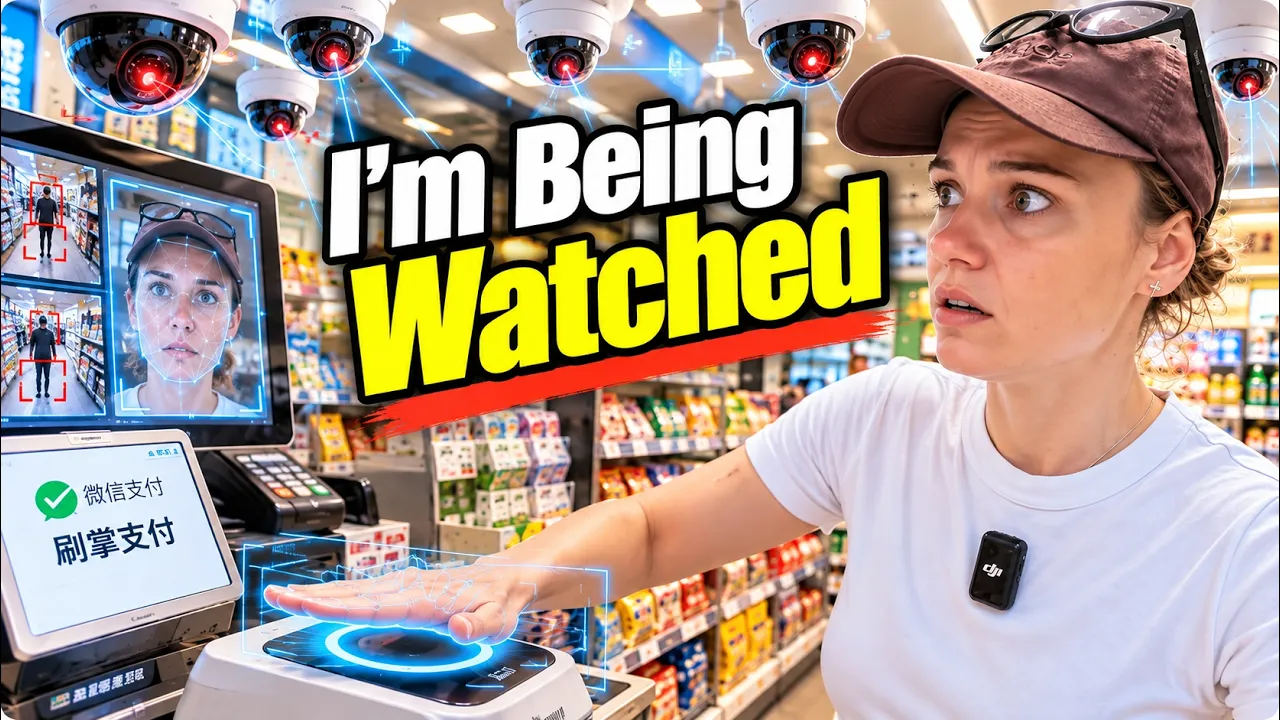
Lizzy discusses public cameras from her perspective, recalls a parcel mix-up and tries palm payment at a convenience store using WeChat.
Next travel video:

More about the current video:()

Public cameras in daily routines
Lizzy talks about seeing cameras on streets, around apartment areas and at subway stations in China. She says that after living there for years, they can fade into the background of daily life. Her discussion stays tied to her own observations and does not establish how every resident or visitor experiences public monitoring. She also compares visible cameras with the less visible data people share through phones and online platforms.
One example is a parcel that could not be found at a package shop. Lizzy says staff checked camera footage, identified the person who had picked it up by mistake, and the parcel was returned. She also mentions friends recovering stolen e-bikes. These are examples she shares from her experience; the video does not make a general claim that cameras resolve every missing-property problem.
Trying palm payment at a convenience store in China
At a convenience store, Lizzy tries paying with her palm after using WeChat to scan and apply. She follows the prompts at the shop's palm reader rather than taking out her phone, bank card or cash. Later, she describes scanning and pressing the control to pay again, and says she paid for two drinks with her hand. The China palm payment at a convenience store scene shows how she tried the feature at that shop; it is not a guide to every payment setup or every store.
Privacy, evidence and personal reassurance
Lizzy considers the difference between public cameras and data collected by apps. She says footage can help show what happened after an incident, while also recognizing that people may view the same systems differently. When she talks about walking alone at night, she says cameras make her feel more reassured, but they are not the only reason. That is her personal response, not a promise about safety or an official assessment of surveillance in China.
The video moves between concrete examples and an open question about privacy. A parcel mix-up, palm payment and a nighttime walk help explain what Lizzy has seen, while her comments leave room for the fact that other people may draw different conclusions.
FAQs (From the traveler's perspective)
- Q: How did Lizzy try paying with her palm?
- A: She used WeChat during setup at a convenience store, then scanned her palm and followed the reader prompts to pay.
- Q: Did cameras help resolve a problem in the video?
- A: Lizzy says footage was checked after her parcel could not be found. It helped identify the person who had picked it up by mistake, and the parcel was returned.
- Q: What does the video show about China palm payment at a convenience store?
- A: Lizzy sets it up through WeChat and follows the shop's palm-reader prompts. She later says she paid for two drinks with her hand.
- Q: Why does Lizzy say cameras can be useful?
- A: In her view, footage can provide evidence after an incident and help establish what happened.
- Q: Does Lizzy say cameras are the only reason she feels safe?
- A: No. She says they are not the only reason, but she feels reassured knowing there may be a record if something happens.