Travel Guides & Tips in this video
- Tip 1Start the day by checking road distance and ask locals how far Mongolia or the next major waypoint is; use simple questions to gauge distance when signs fail. (0:57)
- Tip 2Break the daily drive into blocks, set a flexible kilometer target, and be prepared to reroute if a better crossing point appears. (5:42)
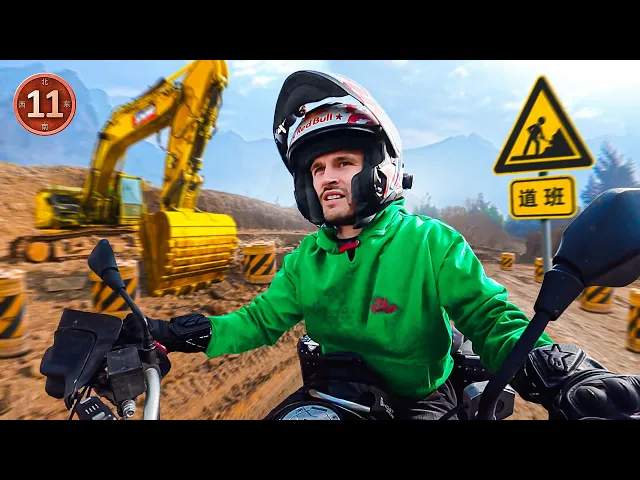
- Tip 3Expect rough road surfaces; pothole awareness and slower speeds save tires and nerves for longer legs. (9:29)
- Tip 4If language is an issue, leverage a mix of translation apps and bilingual hand signals; keep it light and humorous to build rapport with locals. (12:01)
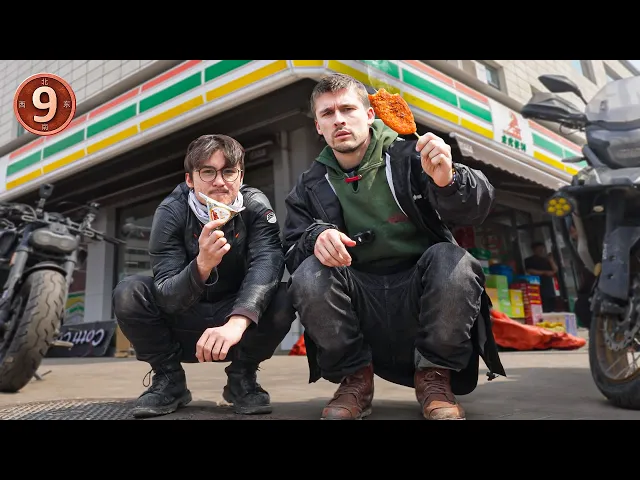
- Tip 5Explore convenience stores for snacks beyond hot food; compare textures, sweetness, and novelty items to balance travel meals. (27:19)
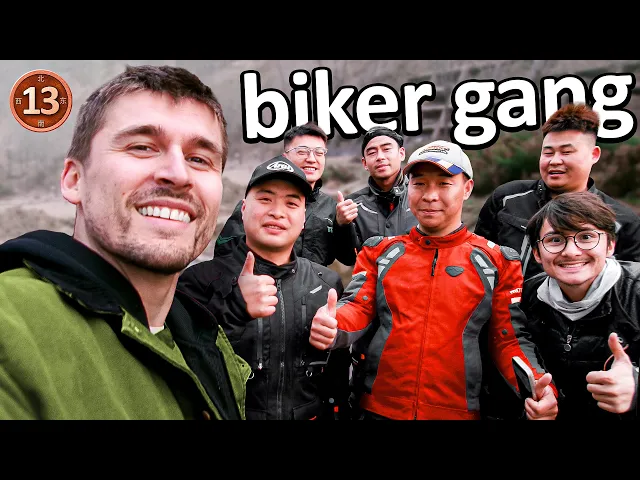
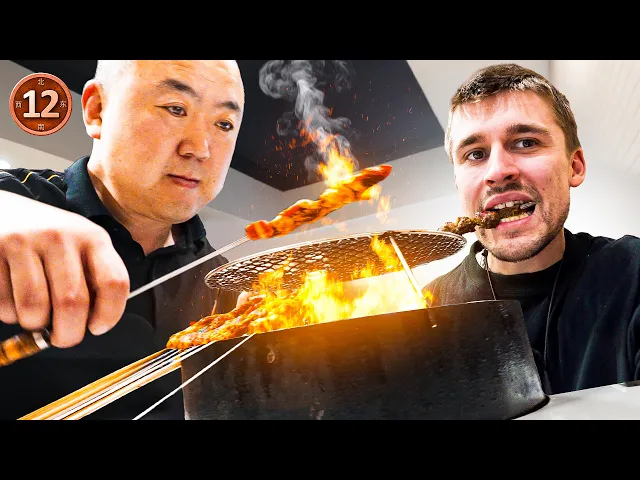
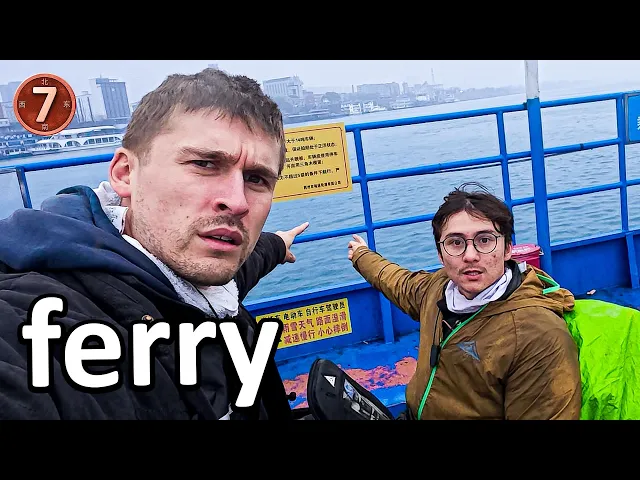
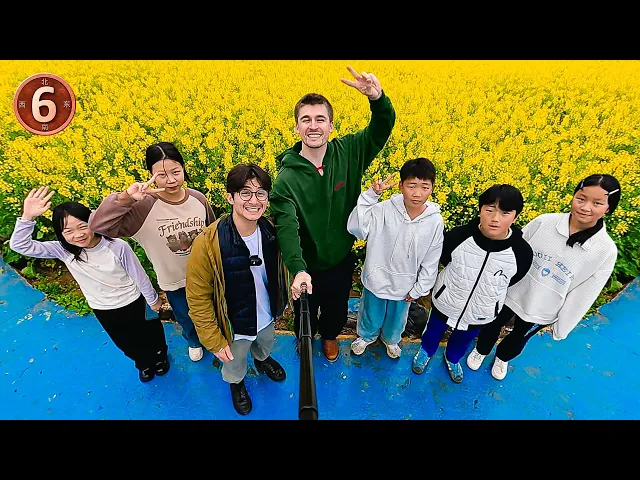
Ludwig and his travel buddy Michael are on a wildly ambitious quest to cross China by road while sampling a kaleidoscope of snacks, all the while narrating their imperfect map-reading, language hurdles, and goofy debates about breakfast norms. The duo spends days chasing a “halfway point” to Mongolia, joking about distance, provinces, and the infamous red truck of doom if they fail to hit ambitious daily kilometer targets. The journey is as much about flavor as it is about improvisation on the road—stopping at gas stations, bargain-basement eateries, and impulse snack shops where they dissect textures, sweetness, and the sometimes questionable hygiene of roadside food. Ludwig’s enthusiasm is infectious, his curiosity about regional snacks and Chinese slang punctuated by playful miscommunications that spark laughs, mild embarrassment, and genuine moments of cultural curiosity. As they wander through pothole-ridden highways and dusty towns, their curiosity deepens into a mosaic of small,
Next travel video: ( 3 / 5 )
More about the current video:( 2 / 5 )

Ludwig and Michael are chasing the halfway mark across China, hoping to reach a big milestone before Mongolia while keeping their snack habit front and center. They banter about breakfast norms and rice, argue over which provinces they’re entering, and joke about being stuck in a red truck if they don’t hit 400 kilometers in a day. The dialogue bounces between road musings and tense moments trying to communicate with locals, with a running thread about how far Mongolia might be and which city marks the current province boundary. They wander between gas stations, pothole-filled roads, and small towns that feel half alive with commerce and half asleep, pausing to sample street snacks, sunflowers, and fruit puddings as they try to translate Chinese phrases on the fly. Ludwig’s voice shines in the interactions, especially when he lingers on the humor of mispronounced names, the friction of translation apps, and the shared thrill of discovering regional treats that reflect China’s vast snack landscape. The day ends with a hotel stop in a quiet city, reflections on progress toward Mongolia, and a playful plan to test their patience and appetite again tomorrow. This piece captures the spontaneous, imperfect, and endearing rhythm of travel, food, and language in a vast country, with Ludwig guiding the audience through the maze of streets, signs, and smiling strangers who become part of the journey.