
Travel Guides & Tips in this video
Lizzy explores Guangzhou Metro Line 18, which the source describes as China’s fastest. She is surprised by the spacious, clean station and the ease of buying a ticket with Alipay or WeChat Pay. English signs and QR-code entry make the trip easier for visitors. On the train, she notices comfortable seating, temperature-controlled cars, and 5G internet. She compares the ride with public transport in other countries and says the system feels more comfortable and orderly. The video also discusses the metro’s history, its affordability and accessibility for people across age and income groups, and shops selling drinks and snacks in stations. Lizzy presents the line as part of China’s wider investment in public transport and its effect on daily travel.
Next travel video:

More about the current video:()

First impressions of Line 18
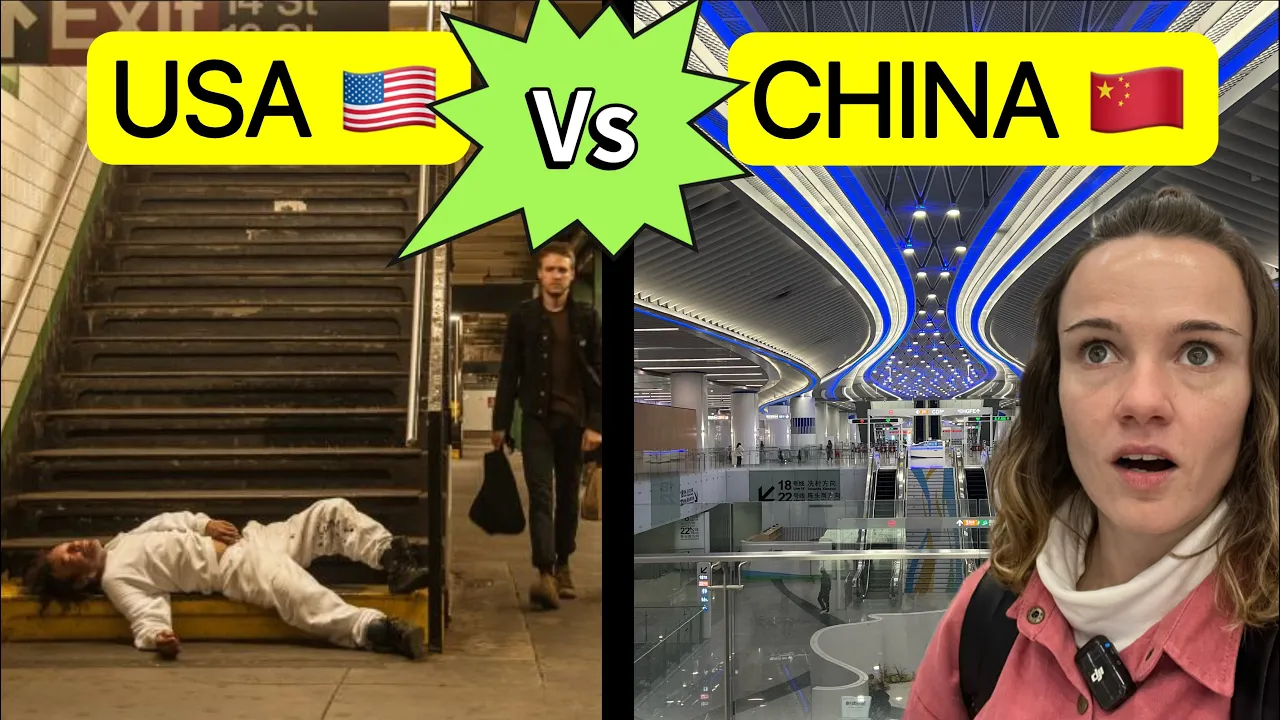
Lizzy visits Guangzhou Metro Line 18 and is struck by the size and design of the station. She describes it as spacious, modern, and clean. Buying a ticket through Alipay is straightforward, and she notes that WeChat Pay is another option. English signage helps her navigate without needing to read Chinese. QR-code scanners at stations make entry and exit convenient.
Once on the train, Lizzy notices comfortable seats and a temperature-controlled car. The system also has 5G internet access. She compares the ride with public transport she has used in other countries, including the United States, and says the Guangzhou experience feels cleaner, more comfortable, and less stressful. The station atmosphere is calm and orderly, even when people are traveling.
Cost, access, and daily use
The video looks at the metro as an affordable and accessible form of transport. Lizzy observes passengers of different ages and incomes using the system. Temperature settings on the train allow passengers to choose the cooling level that suits them. Stations include shops where travelers can buy drinks and snacks while waiting.
Lizzy also talks about the history and expansion of Guangzhou Metro, connecting the system’s development with public investment and everyday life. She recommends letting someone know your route when traveling alone and keeping mobile payment ready for easier entry. Her ride on Line 18 provides a personal example of the metro’s design, comfort, digital access, and role in the city.
Lizzy also discusses practical features that shape the ride, including QR-code scanners at stations for entry and exit, shops where riders can buy snacks, and temperature controls inside cars. She says mobile payment can be simpler than handling paper tickets, particularly for a visitor unfamiliar with the system. Her attention to these details extends from the station to the train itself. The metro’s expansion over past decades is presented as a broader infrastructure investment, with Line 18 serving as one example of its modern design and comfort.
FAQs (From the traveler's perspective)
- Q: What surprised Lizzy most about Guangzhou Metro?
- A: She was surprised by how modern and clean the system felt, from the spacious station to the comfortable train. She also appreciated the convenient digital payments and English signs during her ride on Line 18.
- Q: Can visitors use the metro without speaking Chinese?
- A: Lizzy says English signage helps with navigation, and Alipay or WeChat Pay can be used to pay through QR codes. She found the system easier to use than she expected, without needing to rely only on physical tickets.
- Q: How did Guangzhou Metro compare with other systems?
- A: Lizzy found it cleaner, more comfortable, and more efficient than the subways she had used in America. She also mentions temperature-controlled cars and 5G internet as features of her ride.
- Q: What was the atmosphere like in the stations?
- A: Lizzy describes the stations as calm and orderly, even when people are traveling. She noticed passengers of different ages and backgrounds using the metro and found the experience pleasant.
- Q: What technology did Lizzy notice on the metro?
- A: She mentions QR-code digital payments, temperature-controlled cars, and 5G internet. The station also uses QR scanners for entry and exit, making it easier to pass through without buying a physical ticket.
