
Travel Guides & Tips in this video
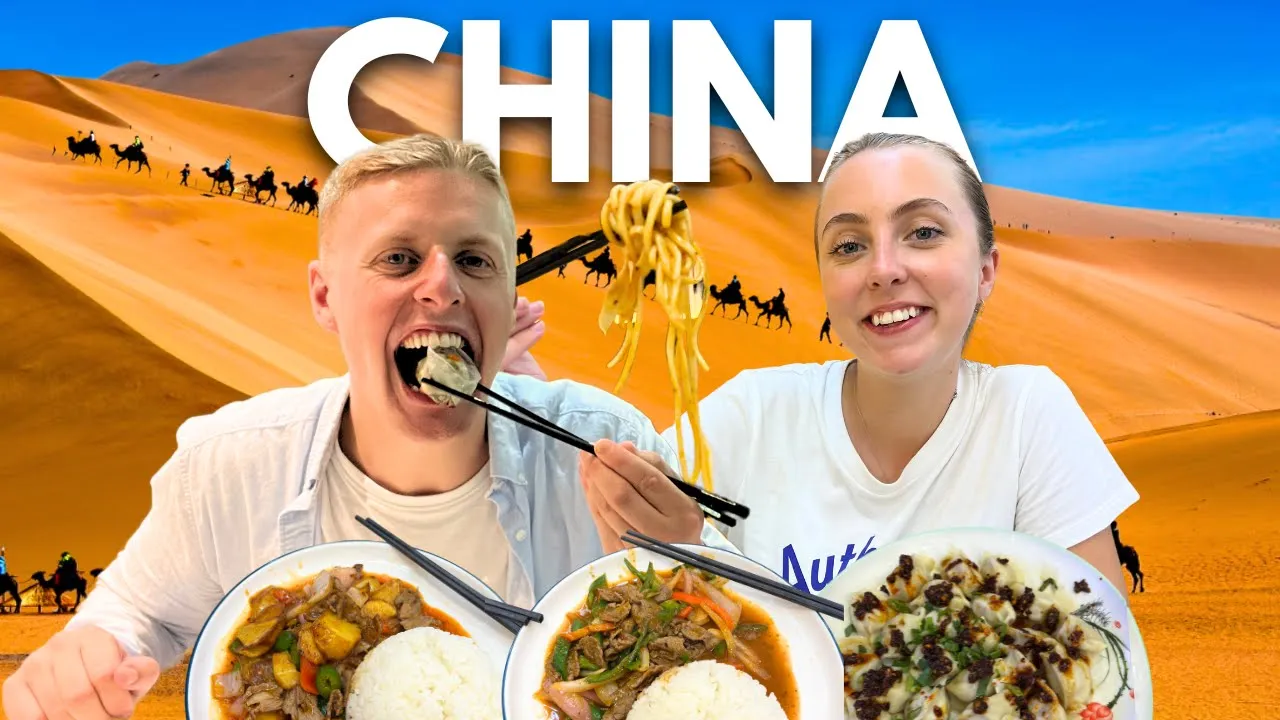
Alan and Shannon visit a restaurant in China serving Uyghur food, recalling their earlier trip to Kashgar. They order five dishes for £10, including beef brisket ramen, cumin lamb rice, a potato and beef rice bowl, and beef dry-fried dumplings. The open kitchen lets them watch chefs pull noodles by hand. They find cumin and other spices prominent, with flavors they compare to Mexican or Middle Eastern food. The fresh noodles absorb the sauce, while the lamb is strongly seasoned and the beef brisket soup is mild despite its red color. They end by calling Uyghur cuisine one of China's best, alongside Cantonese and Sichuan food.
More about the current video:()

A Uyghur restaurant meal
Alan and Shannon visit a restaurant in China for a Uyghur feast. They have traveled to Xinjiang before and remember the food in Kashgar, so they are glad to try similar cuisine again. The colorful menu includes beef and chicken dishes and no pork, reflecting the Muslim community's traditions. They order five dishes for £10: beef brisket ramen, cumin lamb rice, a potato and beef rice bowl, and beef dry-fried dumplings among them. The owner warns that they may have ordered too much, but the couple expect to finish the meal.
The kitchen is open, and they watch chefs pull noodles by hand. Alan notices the technique of tossing the dough. A beef and potato dish surprises them with its cumin flavor, which they compare to Mexican or Middle Eastern food rather than the flavors they associate with typical Chinese meals. Shannon describes the dish as comforting and home-cooked. The lamb is more strongly seasoned and has a gritty texture from the spices.
Fresh noodles and a filling spread
A plate of hand-pulled noodles served with chicken on the bone becomes a highlight because the fresh noodles absorb the seasoning. The beef dumplings are light enough that the couple say they order them daily. They also try beef brisket noodle soup. Although the soup is red, its heat is mild and the broth has a subtle beef flavor. Their meal shows several ways cumin and other spices shape the dishes.
The couple describe Uyghur cuisine as rare outside China and connect its flavors with Silk Road influences. They conclude that it belongs among their favorite Chinese cuisines, alongside Cantonese and Sichuan. Their tips include asking about menu photos, trying fresh noodles, and paying attention to how a dish is seasoned. Their comments about walking and eating lightly reflect their own routine before a large meal, not general dietary guidance.
FAQs (From the traveler's perspective)
- Q: Why does Uyghur food taste different from other Chinese cuisines?
- A: Alan and Shannon connect its flavors with the Silk Road, where Central Asian spices meet Chinese influences. They note cumin and savory seasoning in their dishes, which they compare with Mexican or Middle Eastern food.
- Q: How do they suggest making beef tender?
- A: The source's cooking tip is to slice beef against the grain and soak it in baking soda before cooking. It presents this as a way to make the meat especially tender.
- Q: How do Alan and Shannon prepare for a large meal?
- A: They say they walk about 15,000 steps a day and eat lightly before a feast, which helps them enjoy a larger meal. This describes their personal routine, not general nutrition advice.
