Escape the city and travel to Lichuan, Hubei — one of China’s hidden gems. Surrounded by lush mountains, clear rivers, and breathtaking views, this peaceful destination will make you fall in love with rural China. If you’re looking to travel to China beyond the cities, this is the place to be!
Lizzy discovers Lichuan's hidden gems: a massive cave, ancient architecture, and a mountain retreat. An unforgettable journey into rural China's magic.
Travel Guides & Tips in this video
Lizzy takes us to Lichuan, Hubei, where she explores a 60km cave by car, watches a fire show underground, and marvels at Ming-dynasty architecture. Her journey continues to Fuba Mountain’s cable car and a serene underground river boat ride, capped with a paper-cutting masterclass. Rural China’s magic is alive and unforgettable.
Lichuan, Hubei: China's Hidden Gem for Rural Travel
Escape the city and travel to Lichuan, Hubei — one of China’s hidden gems. Surrounded by lush mountains, clear rivers, and breathtaking views, this peaceful destination will make you fall in love with rural China. If you’re looking to travel to China beyond the cities, this is the place to...
Lichuan Hubei Travel: Explore 60km Cave and Ancient Villages
Embark on a journey to Lichuan, Hubei, a secluded paradise in China. This video unveils a landscape of verdant mountains and pristine rivers, offering a tranquil escape from urban life. Discover the allure of rural China and experience its breathtaking beauty firsthand. Prepare to be captivated by this hidden gem.
Attractions in this video: Sleeping Dragon Cave, Tong Cave, Dash Jing Ancient Architecture, Fuba Mountain, Luan Water Village
More about the current video:(Published on 2025-05-29)
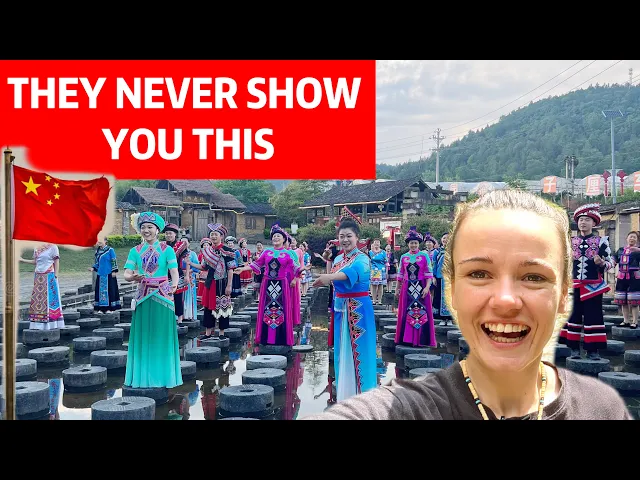
In this episode, Lizzy ventures off the beaten path to Lichuan, a small city nestled in the mountains of western Hubei. The adventure kicks off at Tong Cave (also called Sleeping Dragon Cave), a staggering 60-kilometer-long cave system. Lizzy learns that the military once flew a helicopter inside to test the acoustics — a bizarre but true story. She hops into a car to explore the first 8.5 kilometers, and the climax comes when she watches a fire show performed deep inside the cave. It’s a jaw-dropping spectacle that she calls one of the most incredible things she’s ever done.
Next, she visits the Dash Jing ancient architecture complex, a hidden gem from the Ming and Qing dynasties. With beautifully preserved wooden buildings, intricate carvings, and stone-paved streets, it feels like stepping into a living museum. Lizzy notes that Lichuan is home to one of Asia’s biggest cave systems, rich Tujia minority culture, and jaw-dropping natural beauty. She then makes her way to Fuba Mountain, whose name means “Buddha Treasure.” The lush forest, clean mountain air, and a sparkling waterfall create a serene environment that makes her want to set up a tent and stay forever. She takes a cable car up, and the guide points out a mountain that resembles a Buddha — a shape that requires a bit of imagination.
Lizzy also explores Luan Water Village, a fairy-tale-like spot surrounded by lush mountains and crystal-clear waters. The highlight is an underground river that flows through a cave; she takes a boat ride through the dark, mysterious passage, describing it as absolutely unforgettable. The journey ends with a hands-on cultural experience: paper cutting with a local master. She learns to cut a traditional “happy wedding” design, used for wedding decorations. Throughout the trip, Lizzy’s genuine excitement and curiosity shine through — from her playful banter with the guide to her hilarious companion asking if people still fight dragons. It’s a heartfelt reminder that rural China offers magic, history, and authentic connections that no megacity can match.
FAQs (From the traveler's perspective)
Q: How long is the cave?
A: It's 60 km long, but you can only explore 8.5 km.
Q: What is the entrance height of the cave?
A: The entrance is 74 m in height and 64 m in width.
Q: What does Fuba mean?
A: Fuba means Buddha treasure.
Q: What is the paper cutting called?
A: It's called 'happy wedding' and used for wedding decorations.