Original source
Old Salt Road in Xituo, Chongqing
Xituo, Chongqing: Ancient Salt Road & Rural Charm
In this episode, we traveled to Xituo, located in Shizhu County of Chongqing. There is an important historical salt transportation route carved thousands of years ago. I want to explore what's the people's life there now that this place has been renovated into a tourist attraction.
0:00 Intro
1:53...
In this episode, we traveled to Xituo, located in Shizhu County of Chongqing. There is an important historical salt transportation route carved thousands of years ago. I want to explore what's the people's life there now that this place has been renovated into a tourist attraction. What's this town for? Couples washing clothes by the river. Tujia ethnic band performance. Walking into the town. Architectural features and terrain. Salt porters. Real life of locals. Farewell salt porters.
Explore the hidden gem of Xituo in Chongqing, China! This captivating video journey unveils the rich history of an ancient salt road, now a charming tourist attraction. Witness the daily life of locals, their unique traditions, and the stunning natural beauty of this renovated town. From couples washing clothes by the river to a captivating Tujia ethnic band performance, experience the authentic charm of Xituo.
In this episode, we traveled to Xituo, located in Shizhu County of Chongqing. There is an important historical salt transportation route carved thousands of years ago. I want to explore what's the people's life there now that this place has been renovated into a tourist attraction. What's this town for? Couples washing clothes by the river. Tujia ethnic band performance. Walking into the town. Architectural features and terrain. Salt porters. Real life of locals. Farewell salt porters.
This episode of unseen China follows Honglin Li's exploration of Xituo, a town in Chongqing's Shizhu County, renowned for its historical salt transportation route. The documentary captures the essence of this unique place, where the echoes of a 5000-year-old history resonate amidst modern-day life.
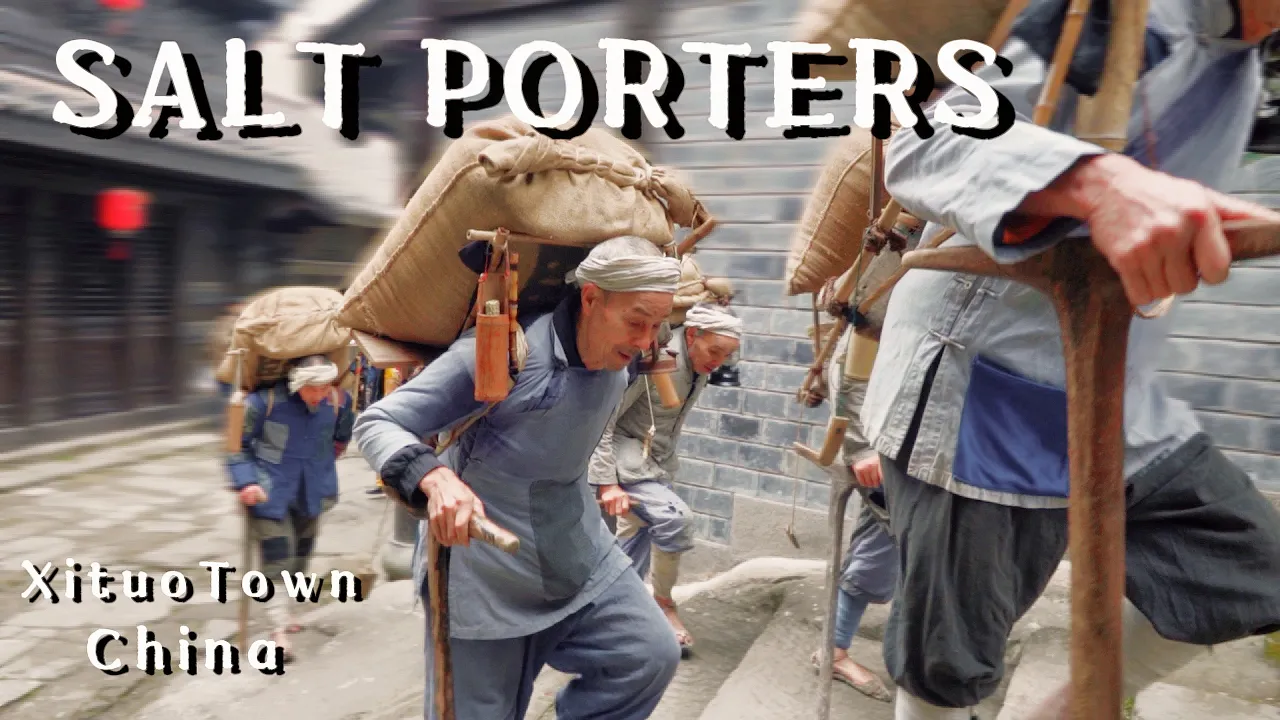
Honglin Li's journey begins at the old dock, where he vividly describes the arduous task of salt porters carrying their heavy loads over the mountains to Hubei province. He explores the 300-kilometer-long route, carved over centuries to facilitate the salt trade, a testament to human resilience and ingenuity. The narrative seamlessly blends historical context with contemporary observations.
The Yans River plays a crucial role, shaping the town's development as a vital trading hub. Honglin Li observes the river's impact on the landscape, noting the erosion that formed a natural harbor. He contrasts the bustling past with the present, where fewer cargo ships dock, yet the town retains its unique character.
The documentary beautifully portrays the daily lives of Xituo's inhabitants. Honglin Li captures intimate moments, such as couples washing clothes by the river and a Tujia ethnic band's vibrant New Year's performance. These scenes highlight the town's enduring cultural traditions and the warmth of its people.
The architectural features of Xituo are another highlight, with houses built along the mountainside, creating a visually stunning layered effect. The uneven yet smooth stone roads, worn by centuries of footsteps, tell a silent story of resilience. The documentary also shows the blend of restored and original houses, reflecting the delicate balance between preservation and modernization.
The journey culminates with a reflection on the salt road's legacy. While its primary function has faded, Xituo has been transformed into a tourist attraction, preserving its unique history and culture. The salt carriers' legacy lives on, now as performers sharing their story with visitors. Honglin Li's exploration leaves a lasting impression of a place where history, culture, and community coexist in a remarkable harmony.
Explore the captivating story of Xituo, a historical salt town nestled in Chongqing's Shizhu County. Honglin Li's journey unveils the remnants of an ancient salt route, where intrepid porters once hauled their heavy loads over treacherous mountains. Witness the harmonious blend of old and new, as traditional life intertwines with modern tourism, preserving the town's unique charm and the resilience of its people. Discover the beauty of the Yans River, the unique architecture, and the vibrant culture of the Tujia ethnic minority.
Honglin Li's China adventure explores Xituo's ancient salt road, revealing a captivating blend of history and modern life in Chongqing. A touching journey.
Xituo's Ancient Salt Road: Chongqing's Hidden Gem
2:12 Observe how the Yans River's current has eroded the shore to form a deep-water harbor, historically important for shipping.
3:35 Even without busy docks, you can still find traces of daily life, like locals washing clothes by the river, offering a glimpse into their traditions.
4:44 The inhabitants of this area are primarily Tujia ethnic minorities, known for their rich culture and traditions. Attend a local performance to experience their unique art forms.
6:16 Explore the unique architectural style of the houses built along the mountainside, creating a layered effect that is both visually stunning and practical.
7:49 Walk the historic Cloud Ladder Street, a stone path with thousands of steps, imagining the arduous journey of salt porters carrying heavy loads.
9:37 Engage with locals and learn about their daily lives and culinary traditions. Ask about local ingredients and dishes, and try some of the local specialties.
12:05 Observe local craftspeople creating traditional items, such as bamboo dustpans. This provides insight into their skills and way of life.
13:03 Learn about the changing demographics of the town, with some younger generations moving to cities, while others choose to remain, preserving their traditional way of life.
0:28 Xituo introduction
0:41 Salt porters journey
2:06 Yans River's impact
3:12 Locals washing clothes
4:11 Tujia performance
5:17 Walking into town
6:16 Mountainous terrain
7:49 Cloud Ladder Street
9:37 Local food preparation
12:05 Local crafts
13:47 Salt road's legacy
0:00 Intro
1:53 What's this town for?
2:54 Couples washing clothes by the river
4:20 Tujia ethnic band performance
5:12 Walking into the town
6:17 Architectural features and terrain
7:47 Salt porters
9:31 Real life of locals
13:29 Farewell salt porters
What is the significance of the Yans River to Xituo?
The Yans River created a natural harbor, making Xituo a crucial point for salt transport and trade. It's also shaped the town's unique landscape and character.
What kind of people live in Xituo?
The people here are mainly Tujia ethnic minority, and their culture and traditions are a big part of the town's identity.
What is the Cloud Ladder Street?
It's an old stone road with thousands of steps that the salt porters used to carry their loads up the mountain. It's a remarkable historical site.
How has Xituo changed over time?
Xituo was once a bustling salt trading center. Now, it's a tourist attraction, but it still retains its unique charm and the everyday life of its people.
What are some of the local foods?
I saw them making pickles for Sichuan-style steamed pork belly, and it looked delicious!