
Travel Guides & Tips in this video
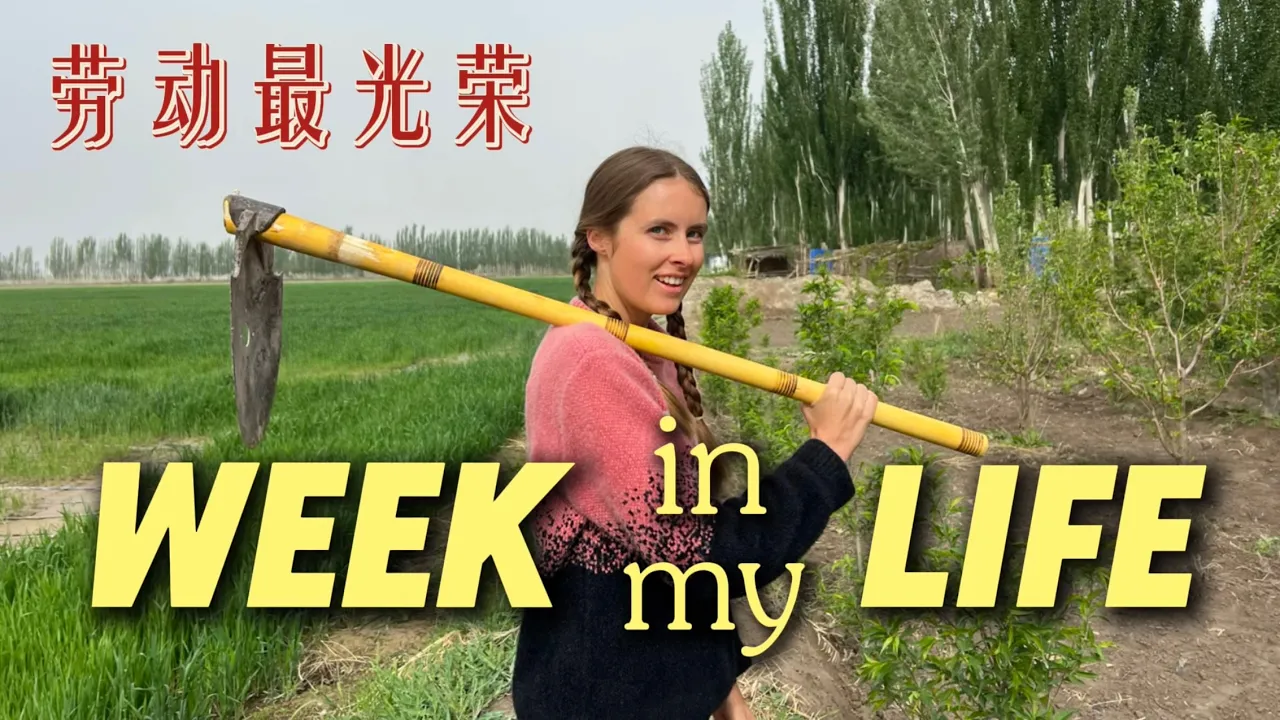
Katherine's Journey To The East follows her month on her fiancé Asa John's family farm in rural Northwest China. Raised in an American suburb, she learns to spread fertilizer, use a wheelbarrow, help build a room and drive a largely automated tractor. She describes how irrigation water arrives every couple of weeks, allowing crops to grow in the dry region, and explains that grape vines are buried during winter. The family plants vegetables and corn, feeds cows and uses equipment that plants seed while laying plastic sheets. Katherine also cooks extra vegetables because local meals are often based on meat and carbohydrates, and reflects on the close-knit family's support. She and Asa John plan to continue living in Honjo and return to the farm each year to help with chores.
Next travel video:

More about the current video:()
Learning farm work in Northwest China
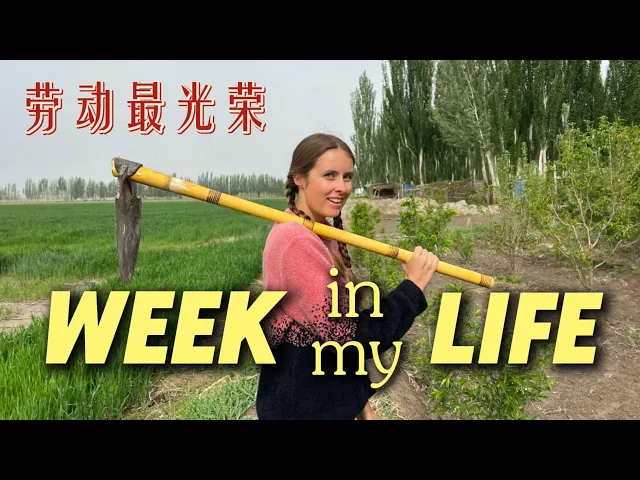
Katherine, an American raised in the suburbs, spends a month on her fiancé Asa John's family farm in rural Northwest China. She begins with tasks she has little experience doing, including using a wheelbarrow and spreading organic fertilizer. The video follows her as she helps build a new room, smooths a floor, collects sand and feeds cows. Her interactions with Asa John's family show a close-knit household where relatives work together and support one another.
Irrigation is essential in the region. Water reaches the farm every couple of weeks, allowing crops to grow in an otherwise dry landscape. Katherine describes the family burying grape vines during winter to protect them from freezing temperatures. She also helps plant vegetables and corn, learning how the family protects crops from pests and maintains moisture. One machine plants seeds and lays down plastic sheets in a single pass, reducing manual work.
Food, family and future plans
Katherine cooks vegetables to supplement meals that are mainly based on meat and carbohydrates. She also tries local food, including dumplings made from alfalfa. The family shares meals and daily routines, and the video includes practical details about farm life, from fertilizer and irrigation to building and planting. Katherine reflects on the difference from her suburban upbringing and on the hard work involved in maintaining the farm.
She and Asa John discuss their future living arrangements: they plan to continue living in Honjo and return to the family farm each year to help with chores. The account also includes family moments, such as Asa John's mother keeping up a stylish appearance while working. Katherine says she wants to keep learning and contributing. The month-long visit becomes a personal account of cultural exchange and farm work, with the couple's future plans tied to both their home and the family farm.
The video gives a close sequence of the work Katherine tries. She spreads fertilizer, helps prepare a new room, smooths the floor, collects sand and takes part in planting corn. She also feeds the cows and helps with vegetables. When the tractor comes out, she learns that it can navigate and perform much of the work automatically. Another piece of equipment plants seeds and lays plastic sheets over the rows at the same time.
Water is a central part of farming in the region. Irrigation arrives every couple of weeks, making it possible to grow crops in the dry climate. Katherine explains that the family buries grape vines during winter so they will not freeze. They plant vegetables in limited yard space as well as in the wider farmland, and she observes how the family uses water to support the crops. The daily routine includes work in the fields, meals and household construction, showing the mix of farm and family responsibilities.
Katherine finds that local meals often rely on meat and carbohydrates, so she cooks extra vegetables to make sure she gets enough. She also tries alfalfa dumplings. The family welcomes her as she learns unfamiliar tasks, and her experience includes both the smell of organic fertilizer and the effort required to build a roof. The couple answer questions about where they will live: they intend to continue living in Honjo and return to the farm each year to help with chores. These plans connect their day-to-day life with the family farm without presenting Katherine's month there as a permanent move.
FAQs (From the traveler's perspective)
- Q: What's it like living on a farm in Northwest China?
- A: Katherine says farm life is very different from her suburban upbringing and involves hard work. She also describes Asa John's family as supportive and values the landscape and close-knit daily life.
- Q: What was the most surprising thing you encountered?
- A: Katherine was surprised by the largely automated tractor. She also remembers the smell of organic fertilizer and the amount of work involved in building a simple roof on the farm.
- Q: What did you eat?
- A: Katherine says the meals were often based on carbohydrates and meat, so she cooked extra vegetables to add to her diet. She also tried dumplings made from alfalfa.
