
Travel Guides & Tips in this video
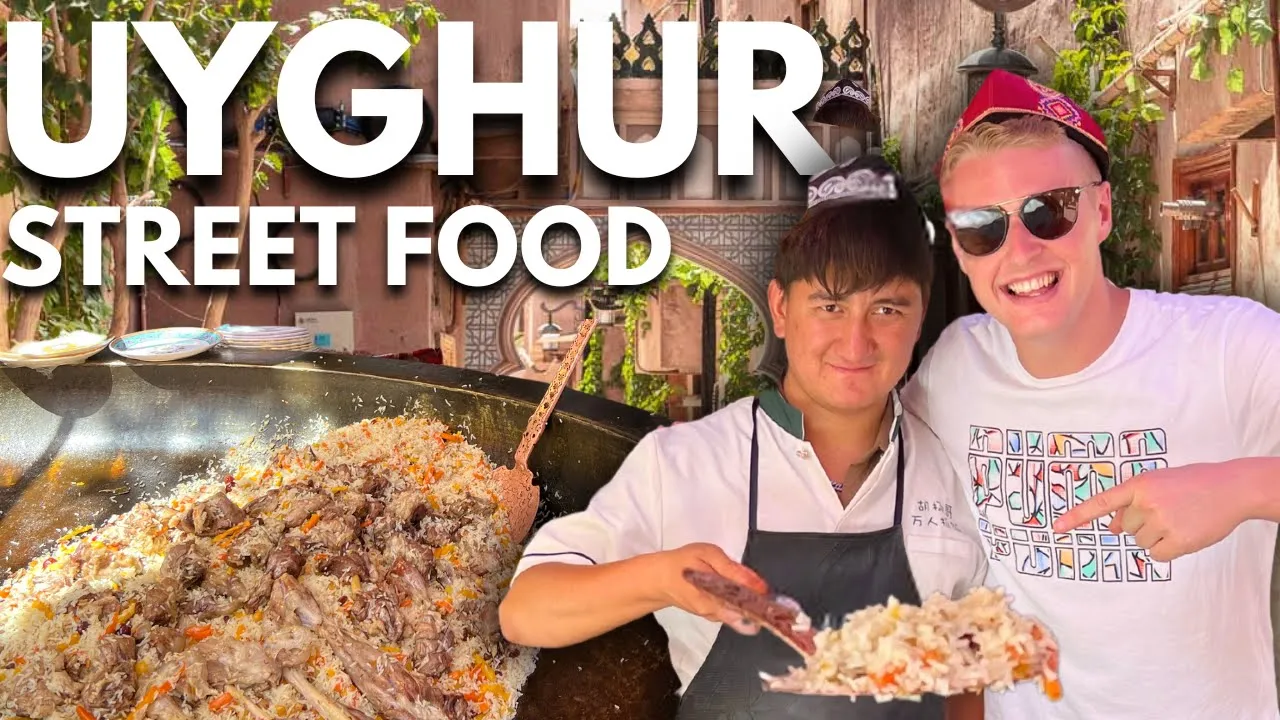
Alan and Shannon explore street food in Kashgar, Xinjiang, starting in the ancient city with Palac, a filling dish of rice, meat and dried fruit. Alan calls its meat the best he has eaten during his ten-month trip. They move on to tender lamb cooked in clay pots at a restaurant with hand-painted walls and colorful chandeliers, then try coffee brewed in hot sand, a method also used in India and Bangladesh. A Morrison's shopping bag turns up unexpectedly during the walk. Later they taste cold noodles with chickpeas and a large egg that Shannon likes less, then finish with pomegranate juice and sour camel-milk ice cream. Their route shows several dishes and textures, with comments on the food's affordability and the variety of Kashgar's street-food scene.
Next travel video:

More about the current video:()

Palac, lamb and coffee in sand
Alan and Shannon begin their food tour in Kashgar's ancient city, where the market's sights and smells surround them. They start with Palac, a large dish made with rice, meat and dried fruit. Alan says the meat is the best he has eaten during his ten-month trip. The dish is substantial and unlike foods they have tried in other provinces. They then visit a restaurant for lamb cooked in clay pots. The meat is tender, and the room has hand-painted walls and colorful chandeliers. They talk about the option of ordering a sheep's head but choose lamb instead.
The next stop is coffee made in hot sand. Alan finds it strong and gritty, and the hosts note that this preparation method is also used in India and Bangladesh. During the walk they come across a Morrison's shopping bag, an unexpected reminder of home in Kashgar. Their next dish is a cold noodle preparation with chickpeas. They like the contrast in texture and the tangy flavor, and mention the chickpeas as a healthy ingredient.
Juice and final tastes
The tour continues with a large egg, possibly an ostrich egg; Shannon does not enjoy its taste as much as the other dishes. Pomegranate juice follows and provides a refreshing contrast after the strong coffee and egg. The itinerary ends with sour ice cream made from camel milk and a final kebab. The foods vary in temperature, texture and flavor, giving the couple several distinct tasting experiences during one walk.
Alan and Shannon describe the food as affordable and emphasize the variety they find in Kashgar. The video follows their personal reactions rather than presenting every item as a recommendation for every traveler. They encounter Uyghur dishes, a clay-pot cooking method, sand coffee, chickpea noodles, fruit juice and a local ice cream. Their comments also place the tour in the wider context of previous travel across eight Chinese provinces. The result is a food-centered visit with a few unexpected moments, including the Morrison's bag, and a clear sequence of stops through the ancient city.
FAQs (From the traveler's perspective)
- Q: What is Palac like?
- A: Palac is a large serving of rice, meat and dried fruit. Alan says the meat is the best he has eaten during his ten-month trip. It is the first dish they try on their Kashgar tour and a filling start to the meal.
- Q: How is the coffee prepared?
- A: The coffee is made in hot sand, a method the hosts compare with practices in India and Bangladesh. Alan finds it strong and gritty, so the taste is quite different from a standard cup of coffee.
- Q: What did you think of the chickpea noodles?
- A: They are a cold noodle dish with chickpeas, with different textures and a fresh, tangy taste. The unusual combination is one of the dishes the hosts try during the Kashgar walk.
