
Travel Guides & Tips in this video
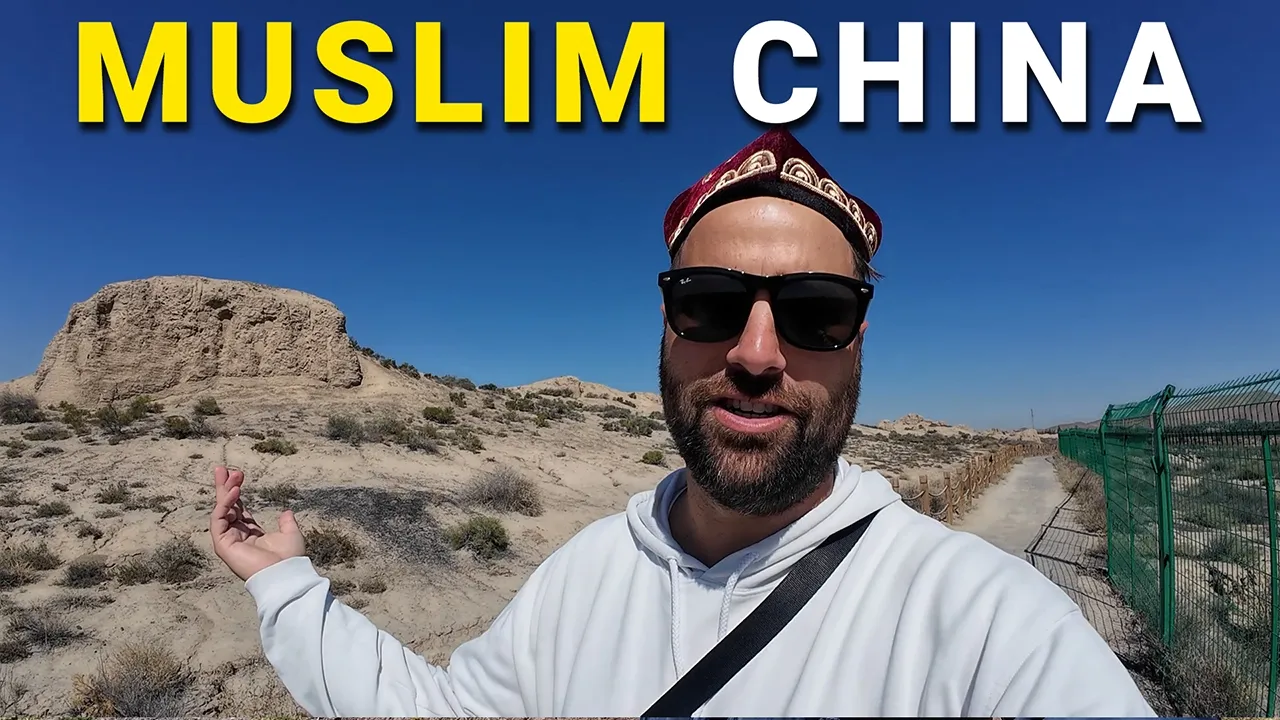
Mike Ponte Travels visits Urumqi in Xinjiang, exploring its Muslim culture, local food and historic sites. He sees artificial lakes, local wildlife and a camel ride, then tries meat-filled stuffed bread and kebabs. At the Grand Bazaar he finds naan, spices, crafts, camel milk products and sand-prepared coffee. The journey also includes Ulam Bay, an ancient Silk Road stop with fortress remains, and a final meal of grilled fish and other dishes at the bazaar food street. The trip starts at artificial lakes built to control floodwater and now used for recreation, then continues through encounters with yaks, horses and a camel ride. Mike also sees naan, spices, jewelry and camel milk products at the bazaar, and watches coffee prepared in hot sand. His visit to Ulam Bay includes fortress walls and security towers from its role as a Silk Road stop. At the end, he goes to the bazaar food street for grilled fish and tries the local beer called musu.
Next travel video:

More about the current video:()

Urumqi food and the Grand Bazaar
Mike Ponte Travels explores Urumqi, the capital of Xinjiang, and discusses the region’s distinct language, culture and Arabic alphabet. His visit begins with artificial lakes built to manage floodwater and now used as recreational areas. He meets visitors, including a group from Japan, and encounters local wildlife such as yaks and horses before taking a camel ride.
The food stops include a Uyghur restaurant where Mike watches stuffed bread filled with meat being cooked in a round oven. He also tries kebabs and notes the mix of culinary influences in the region. At the Urumqi Grand Bazaar, which the source describes as spanning more than 100,000 square meters, he walks among shops selling naan, spices, jewelry, camel milk products and other goods. He watches coffee being prepared in hot sand in a style similar to Turkish coffee. The bazaar is crowded and lively, and vendors sometimes mistake him for a local.
Ulam Bay and more local food
Mike visits Ulam Bay, an ancient city that served as a Silk Road stop for traders and travelers. The site’s location offered a mountain passage, water sources and defensible ground. Remains of the fortress, including its walls and security towers, give a sense of its historic role. The trip ends at the Grand Bazaar food street, where Mike samples grilled fish and other local dishes. He also tries local beer called musu and reflects on the welcoming interactions he has during the visit. The route brings together food, market life and the history of a place that connected traders across the region.
The visit begins with the region’s artificial lakes, which were built to manage floodwaters and now serve as recreational areas. Mike meets local and international visitors, including a group from Japan, before encountering yaks and horses and taking a camel ride. At a Uyghur restaurant, he watches meat-filled bread being placed in a round oven and smells kebabs cooking nearby. These food stops give him a chance to see how local cooking reflects a mix of cultural influences. At the Grand Bazaar, he walks through more than 100,000 square meters of stalls and shops. The goods include traditional naan, spices, jewelry, camel milk products and crafts. He watches coffee prepared in hot sand, similar to Turkish traditions, and chats with vendors, some of whom mistake him for a local.
At Ulam Bay, the location itself explains why traders and travelers stopped there: it offered a passage through the mountains, water sources and defensible terrain. The remaining fortress walls and security towers connect the visit with the Silk Road’s history. Mike finishes on the Grand Bazaar food street, sampling grilled fish and other dishes, then trying musu beer. The route includes wildlife, market commerce, historic architecture and food rather than focusing on one attraction alone.
FAQs (From the traveler's perspective)
- Q: What stands out about Muslim life in Xinjiang?
- A: Mike points to the region’s distinct language, culture and Arabic alphabet. He says these features are different even for visitors from the Middle East.
- Q: What foods are characteristic of Urumqi?
- A: Mike tries meat-filled stuffed bread, kebabs, naan and lamb dishes. He also watches coffee being prepared in sand and visits the bazaar food street. The region’s mix of local and Central Asian influences comes through in the meat-filled bread and kebabs Mike tries during his visit.
- Q: Why was Ulam Bay important?
- A: Ulam Bay was a Silk Road stop for traders and travelers, with a mountain passage, water sources and defensible terrain. The remains include fortress walls and security towers.
- Q: What is sold at the Grand Bazaar?
- A: Mike sees naan, spices, jewelry, camel milk products and local crafts among the market goods, as well as food stalls. The bazaar is also part of a large market area where Mike sees different naan sizes and types, spices, camel milk products and local crafts.
- Q: What drinks did Mike try?
- A: He watches Turkish-style coffee prepared in sand and tries the local beer called musu with meat dishes. Mike watches the coffee being made as part of his bazaar visit and notes its resemblance to Turkish-style sand coffee.