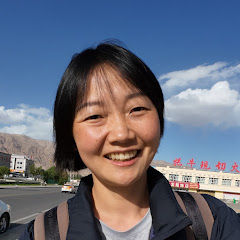
I am heading further East along the North Korean border towards the triangle where Russia, China and North Korea meet. On my way I passed through China's ethnic Koreans county and met many incredibly nice people. Later I reached Changbai Mountain (长白山), also known as Paektu Mountain in Korean, which holds significant cultural and spiritual importance, especially for certain ethnic groups in China like Manchu people among others. While not as universally revered as mountains like Mount Tai or Mount Hua in traditional Chinese culture, Changbai Mountain is considered a sacred site for the Manchu people, who played a central role in the founding of the Qing Dynasty (1644–1912).
The Manchu regarded Changbai Mountain as their ancestral homeland. The mountain is seen as the birthplace of their founding ancestors, and during the Qing Dynasty, it was considered a sacred mountain for the imperial family.
For the Korean population, particularly in North Korea and parts of China (e.g., the Korean ethnic groups in Yanbian Korean Autonomous Prefecture), Changbai Mountain is also a sacred and symbolic site, regarded as the birthplace of the Korean nation.
Little Chinese Everywhere explores China's northeastern border, experiencing unique Korean culture in Yanji and the sacred Changbai Mountain. A journey filled with heartwarming encounters and stunning scenery.
Travel Guides & Tips in this video
Journey with Little Chinese Everywhere along China's border with North Korea, exploring the unique culture of ethnic Koreans in Yanji and Changbai Mountain. Witness the blend of Chinese and Korean cultures, from architecture to cuisine, and the historical significance of Changbai Mountain as an ancestral homeland. Discover the surprising interactions with locals and the vibrant markets offering authentic Korean flavors. A captivating adventure revealing the unseen side of China.
Next travel video:
17 min
2024
Changbai Mountain: A Sacred Site on the China-North Korea Border
Exploring China's border with North Korea, Little Chinese Everywhere discovers Changbai Mountain's cultural significance and stunning landscapes. A moving journey.
China's Korean Border: Changbai Mountain & Yanji Culture
Little Chinese Everywhere embarks on a journey along the China-North Korea border, encountering the unique culture of China's Korean population. The adventure leads to Changbai Mountain, a sacred site for both the Manchu and Korean peoples, steeped in history and spiritual significance. Witness the breathtaking scenery and rich cultural heritage of this region, where the borders of three nations converge.
Attractions in this video: Changbai Mountain, Heaven Lake, Yalu River, Tumen River
More about the current video:(Published on 2024-10-26)
This episode of Little Chinese Everywhere takes us on a journey along the Sino-North Korean border, focusing on the rich Korean culture within China. We start in Yanji, often called the "third Korea" due to its large Korean population. Little Chinese Everywhere highlights the bilingual nature of the city, with Mandarin and Korean both official languages. The history of Korean immigration to China is explored, revealing two main waves: one during the Qing Dynasty to escape famine, and another during the Japanese occupation. Little Chinese Everywhere then visits Changbai Mountain, a sacred site for both Koreans and Manchus, highlighting its cultural and spiritual significance. The journey continues to villages near Longjing, showcasing traditional Korean architecture and daily life. Little Chinese Everywhere interacts with locals, learning about their unique customs and the importance of rice farming in the region. The episode concludes at the tri-point where China, Russia, and North Korea meet, offering a unique perspective on the region's geopolitical landscape. Throughout the journey, Little Chinese Everywhere captures the warmth and hospitality of the people encountered, emphasizing the authentic cultural exchange and surprising discoveries along the way. The blend of Korean and Chinese cultures is evident, from the architecture and language to the food and daily routines. The emotional moments shared with locals, particularly the stories of cross-border interactions during childhood, add a personal touch to the narrative. The viewer is given an intimate glimpse into the lives of the ethnic Koreans in this region, showcasing their resilience, cultural pride, and the enduring bonds of community. The video also touches upon the historical context of the region, explaining the significance of Changbai Mountain as an ancestral homeland for both the Manchu and Korean people. Little Chinese Everywhere's unique journey allows viewers to experience a side of China rarely seen, offering a rich and engaging exploration of culture, history, and human connection.