Travel Guides & Tips in this video
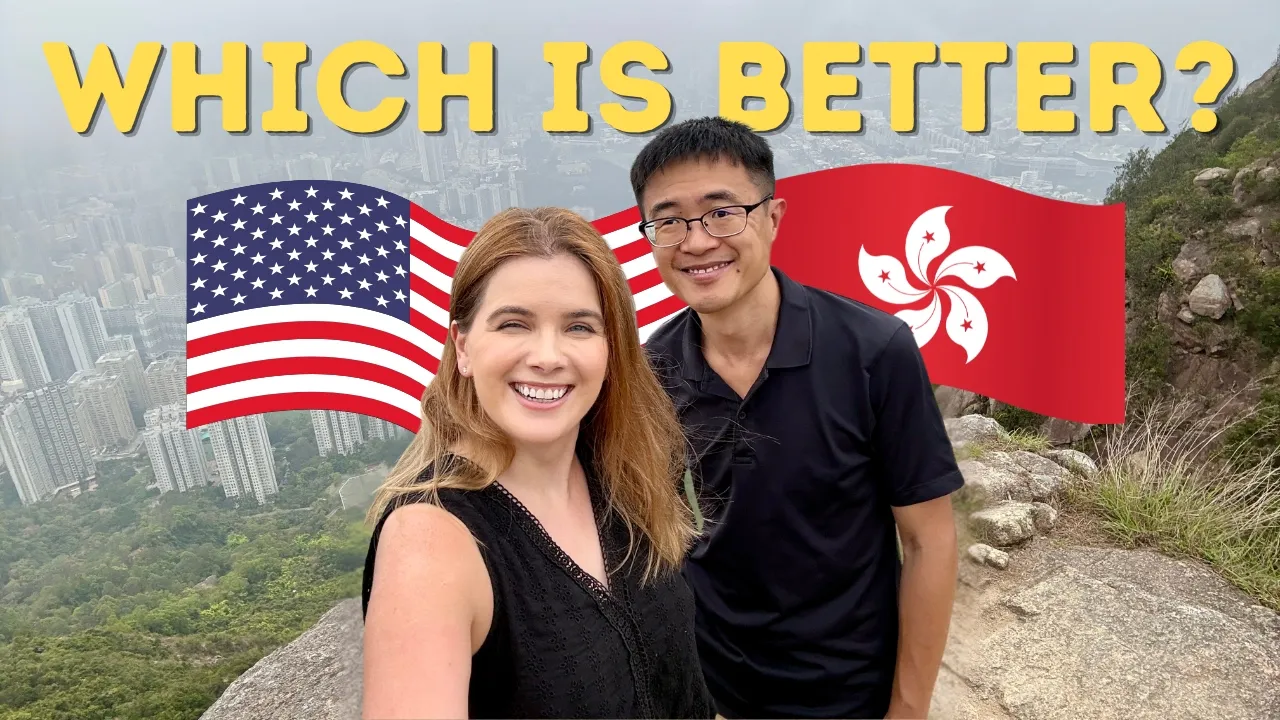
Alina Mcleod hikes Lion Rock with Nate, an American friend who moved back to Hong Kong. As they climb, they compare life in Hong Kong and the US, discussing transport, healthcare, taxes, jobs and food. Nate describes Lion Rock's symbolism and the working-class communities associated with the Lion Rock spirit. After the hike, they eat curry beef, fish soup and a meat pie at a Muslim Chinese restaurant in Kowloon's Little Thailand area, then visit Kowloon Walled City Park and its museum.
Next travel video:
More about the current video:()

Lion Rock and life in Hong Kong
Alina Mcleod starts the day with Nate, a friend she met in Malaysia who is American and a Hong Kong local. They hike Lion Rock and talk about how life in Hong Kong differs from life in the United States. Nate says economic conditions for young people have changed over the past decade, and university degrees no longer guarantee work as they once did. They also discuss living costs: Hong Kong rents now resemble those in major US cities such as San Francisco, while transit, healthcare and everyday purchases can be cheaper. Nate mentions the city's tax cap of 15 percent and its clean public transport.
From sea level, Lion Rock looks like a lion's head. Nate explains the Lion Rock spirit as a symbol of the hardworking communities that helped build Hong Kong. The hike offers a panoramic view and leads into a conversation about local identity and lifestyle. Alina and Nate also talk about what Nate misses from the United States, including wide natural landscapes and a diverse food scene.
Kowloon history and lunch
After the hike, they have lunch at a Muslim Chinese restaurant in Kowloon's Little Thailand neighborhood. They order curry beef, fish soup and a meat pie with liquid inside, which Nate compares to a soup dumpling. They then explore Kowloon Walled City Park and its museum. The former enclave was demolished before the handover; the site is now a peaceful park with exhibits about its dense history, including unlicensed dentists, noodle shops and narrow corridors.
The day combines a nature walk, a discussion of housing, transport and healthcare, and a look at an unusual historical site. Nate says he is happy in Hong Kong and values its affordable transport and flights to other parts of Asia. The conversation stays grounded in the two speakers' experiences and contrasts rather than presenting them as universal for everyone.
FAQs (From the traveler's perspective)
- Q: How do Alina and Nate compare costs in Hong Kong and the US?
- A: Nate says Hong Kong rent can rival San Francisco, while public transport and healthcare feel cheaper to him. He also mentions a 15 percent tax cap.
- Q: Why is Lion Rock named that way?
- A: Nate says that from sea level the rock resembles a lion's head, and he connects the Lion Rock spirit with the city's hardworking communities.
- Q: What is at Kowloon Walled City Park?
- A: The park and museum preserve the history of the former enclave, which had dense corridors, unlicensed dentists and noodle shops before it was demolished. The park and museum document the former enclave's dense history, including unlicensed dentists and noodle shops. The area was demolished before the handover and is now a peaceful park with a museum.
- Q: What did they eat at the Muslim Chinese restaurant?
- A: They had curry beef, fish soup and a meat pie with a liquid filling that Nate compared to a soup dumpling. They had curry beef, fish soup and a meat pie with a liquid center, similar to a soup dumpling. The restaurant is in Kowloon's Little Thailand neighborhood.