
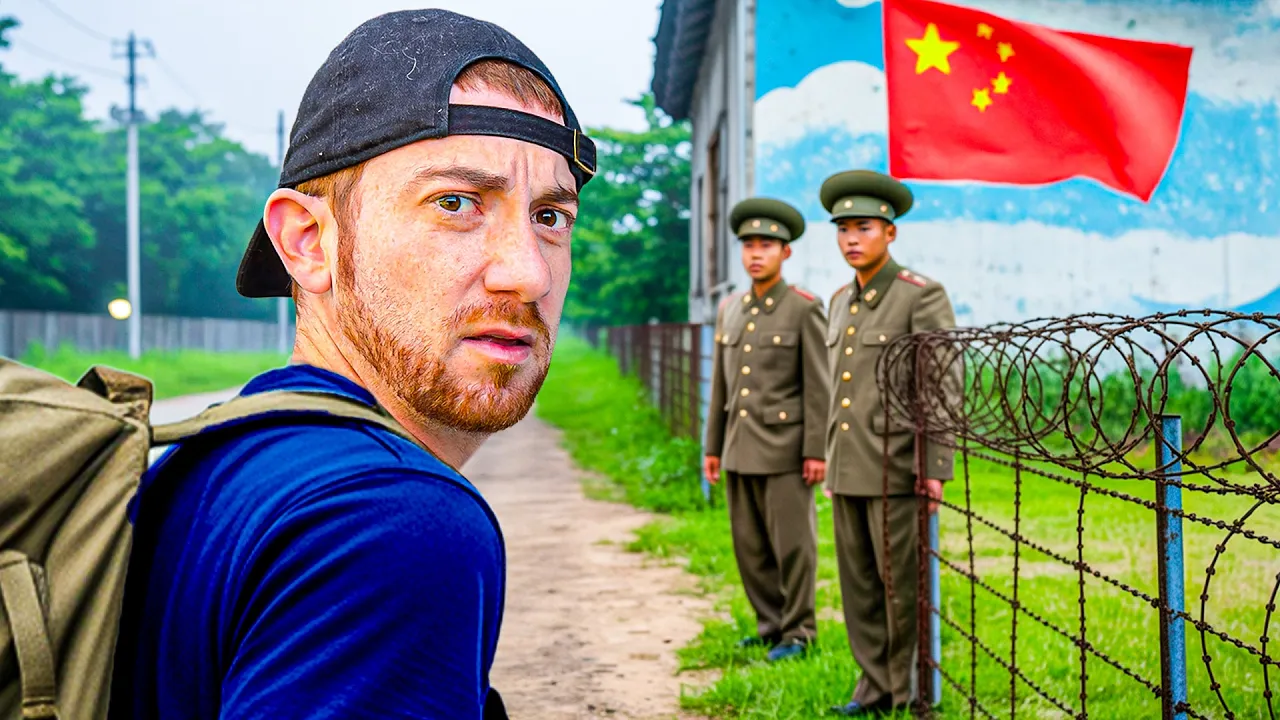
Travel Guides & Tips in this video
Drew Binsky's Xinjiang trip moves from Kashgar's street life and Sunday animal market to a mosque, a meal with new acquaintances and the night market. He later visits a rural village and the Afaq Khoja Mausoleum, sharing melons with residents and gifting a sheep to a family. The journey includes Uyghur language, bread-making, local food and conversations with a guide and residents. The trip also moves through a mosque and a night market before leaving the city for the village. Drew shares melons with residents and visits the Afaq Khoja Mausoleum, whose architecture reflects historic connections to Central Asia. The sheep he gives to a family becomes a personal conclusion to the visit. His encounters range from a difficult exchange with a guide to meals and conversations with people he meets later.
More about the current video:()
Kashgar markets and local encounters
Drew Binsky begins in Kashgar, where he sees bread-making, ice cream and Uyghur writing in Arabic script. A Mao Zedong statue also appears in the city. His guide takes him to the Sunday animal market, where sheep are sheared and buyers negotiate. Drew compares the market with others he has visited and observes it as a place of local trade. He later enters a more tourist-focused area of the old city and feels it is commercialized. A disagreement with his guide makes the visit difficult, so he leaves that situation and meets another local who introduces him to a different experience.
The new acquaintance takes Drew to a restaurant for a meal blending Chinese and Uyghur flavors. He later visits the night market and spends time with local people. These encounters provide a contrast with his earlier impressions of the old city. Drew also visits a mosque and explores street life, where traditional bread and local snacks are part of the scene.
A village, mausoleum and a gift
Drew travels beyond Kashgar's center to a rural village, where he eats melons with residents. The route includes the Afaq Khoja Mausoleum, an important Islamic site whose architecture reflects connections with Central Asia. He also sees locals in the village and learns about everyday life beyond the city. At the end of the trip, Drew buys a sheep for a family he has met. The gesture becomes a personal moment in the journey and reflects the relationships he has formed.
The documentary follows markets, food, religious sites and local encounters. It includes an uncomfortable exchange with a guide as well as welcoming interactions with other residents. Drew's trip is framed by curiosity about Uyghur culture and the history of the Silk Road region, and his closing reflections acknowledge both the complexity of Xinjiang and the importance of hearing from the people he meets.
FAQs (From the traveler's perspective)
- Q: What was the most memorable part of the trip?
- A: Drew says gifting a sheep to a family was especially memorable because he saw how happy they were.
- Q: What food did he try?
- A: He describes a meal that combines Chinese and Uyghur flavors, and also shares melons with people in a rural village.
- Q: What challenge did Drew face?
- A: He has a conflict with his initial guide in a tourist-focused part of the old city. He leaves that situation and connects with another local who shows him a different side of Kashgar.
