
Travel Guides & Tips in this video
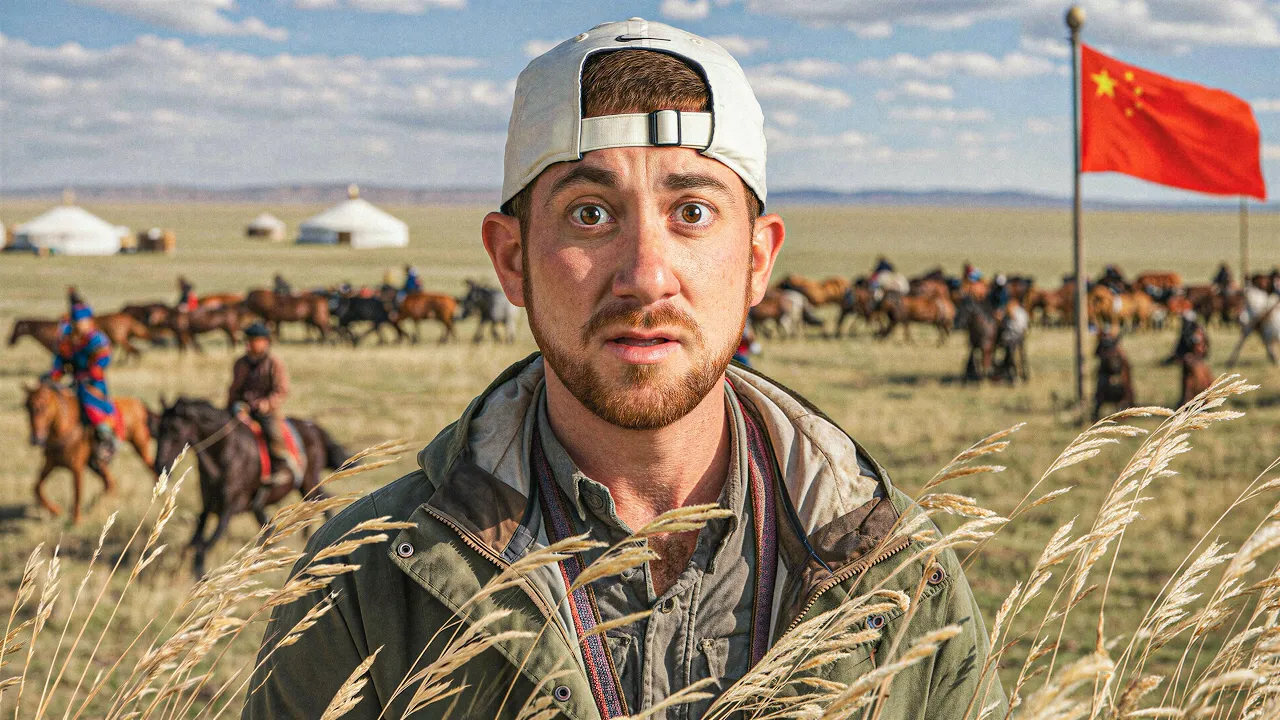
Drew Binsky visits Inner Mongolia with his local friend Qinggele. Their trip begins in Tongliao and continues to Qinggele's village, where Drew meets his grandmother and shares a Mongolian meal. They ride motorcycles through the grasslands, visit traditional yurts and attend the Nadaam Festival, with horse racing, archery and wrestling. Drew reflects on local hospitality and the effort to maintain cultural traditions as modernization changes daily life.
Next travel video:

More about the current video:()

Village life and the grasslands
Drew Binsky flies to Tongliao in Inner Mongolia and meets his local friend Qinggele. The region's grasslands and open landscape are very different from the large Chinese cities Drew has visited. Cows and horses sometimes cross the roads during the trip. He goes to Qinggele's village, where a family shop is part of daily life, and meets Qinggele's grandmother. They talk about her life, including the one-child policy and the challenges of raising a large family in a less developed area.
Drew shares a hearty Mongolian meal with the family and learns about local food. The next day, he and Qinggele ride motorcycles through the countryside and visit people living in traditional yurts. They discuss how modernization is changing nomadic culture and the difficulty of preserving traditions. Drew also rides a horse for the first time, adding a personal experience to the trip.
Nadaam Festival and cultural change
The highlight is the Nadaam Festival, which Drew describes as a Mongolian Olympics. The festival includes horse racing, archery and wrestling, with each region adding its own version of the events. Drew wears traditional clothing and watches the competitions, where the wrestling is intense and the crowd follows the matches closely. He also meets an American who has lived and trained in Inner Mongolia for years.
Drew describes the people he meets as respectful and welcoming. In conversations, local residents discuss how technology and modernization have changed life and how they hope to maintain Mongolian culture. Drew closes by thanking Qinggele and encouraging people to cherish and protect their culture. His trip combines family stories, a visit to yurts, horseback riding and a public festival, offering his personal view of the region's landscapes and traditions. Qinggele's grandmother talks about growing up in the region, the one-child policy and the difficulty of raising a large family in a less developed area. Drew hears about the seasonal extremes, with winter temperatures sometimes reaching minus 30 degrees and summer temperatures reaching 30 or even 40. The family meal and her story help him understand village life beyond the landscape.
On the motorcycle ride, Drew and Qinggele visit traditional yurts and discuss how technology and modernization influence nomadic customs. Drew's friend explains that maintaining culture has become more challenging as daily life changes. Drew also gets on a horse for the first time and sees how closely horses are tied to Mongolian life. At the Nadaam Festival, he wears traditional clothes and watches horse racing and wrestling. He meets an American who has lived and trained in the region for years. The festival's events are compared with the Olympics, and each region in Mongolia and Inner Mongolia may add its own variation. Drew emphasizes local hospitality and the importance of protecting cultural traditions, a message he repeats while thanking Qinggele for sharing his life and family with him.
FAQs (From the traveler's perspective)
- Q: What was it like growing up in Inner Mongolia?
- A: Qinggele describes fresh air, a calm setting and horse riding. The seasons vary a lot: winter can reach about minus 30 degrees, while summer can reach 30 and sometimes 40 degrees. He says it can be very cold in winter and hot in summer.
- Q: How has technology changed Inner Mongolia?
- A: Qinggele says technology has changed life in the region and affected how people maintain Mongolian traditions. His comments suggest that modern technology has a strong influence on the way people think and live.
- Q: What is your opinion of the Mongolian people?
- A: Drew says the Mongolian people he met were respectful and welcoming to outsiders. He contrasts their hospitality with experiences elsewhere and describes life in the region as peaceful. Drew says the people he met were respectful, peaceful and open to visitors, and he values their willingness to share local life and customs.
- Q: What is Nadaam?
- A: Drew compares Nadaam to an annual Olympics, with different regions in Mongolia and Inner Mongolia adding their own variations. The main sports include horse racing, archery and wrestling, and he says the competition can be fierce.
- Q: What message did Drew share?
- A: Drew encourages people to cherish and protect their culture, saying that cultural traditions make communities unique and should not be lost.
