
Travel Guides & Tips in this video
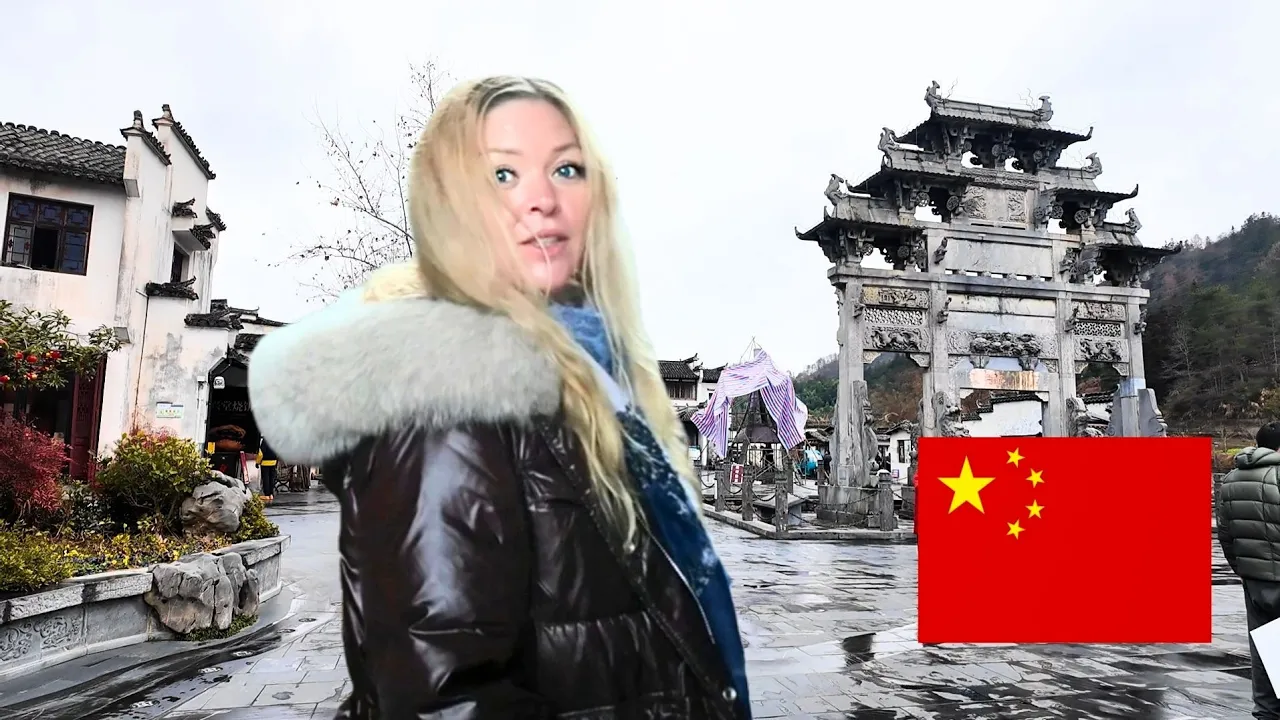
Petrena Schell's trip through Eastern China begins at Xidi Ancient Village, a UNESCO World Heritage Site known for thousand-year-old Huizhou-style buildings. She notices a sign for a tourist-only toilet and drinks fresh herbal tea before continuing to Qiyun Mountain, a Taoist peak with temples built into cliffs. Petrena rides the cable car, walks through an alley with 537 carved stones, and reaches Heavenly Street, where 28 families have lived for generations. She tries a mysterious glutinous snack and watches a fire performance by performers in flame-resistant suits. The cool, cloudy mountain air contrasts with the deep freeze in northern Canada. Her visit also includes a no-sketching rule, a cat meowing, reflections on Taoist balance, and a fireworks display at the end.
Next travel video:

More about the current video:()

Xidi's old village
Editor Petrena Schell begins her trip in Eastern China at Xidi Ancient Village, a UNESCO World Heritage Site. She looks at the thousand-year-old Huizhou-style architecture and drinks fresh herbal tea. A sign for a “tourism toilet” catches her attention: it is a literal label for facilities intended for tourists. Petrena also mentions that visitors should not sketch at the village, so it is better to leave art supplies behind.
The village visit introduces the trip's contrast between quiet historic streets and the mountain scenery ahead. Petrena notices small, unexpected details, including a cat meowing. The cool and cloudy conditions are welcome to her, as someone from northern Canada used to deep freezes.
Qiyun Mountain and Heavenly Street
Petrena continues to Qiyun Mountain, a Taoist peak where temples are built into the cliffs. She takes a cable car up the mountain, then explores an alley lined with 537 inscribed stones. The stones carry carved writing and make the route itself part of the visit. She also explains statues of 19 scholars along the way.
At the top is Heavenly Street, a village where 28 families have lived for generations. The mountain paths are mainly stairs and cement, so Petrena describes the hike as manageable. Visitors who want fewer crowds can avoid weekends and summer. At Heavenly Street she tries a glutinous snack with a mysterious local flavor, and the food adds another small discovery to the journey.
A fire performance among the cliffs
The visit includes an incense house built beside the cliffs and ends with a fire performance. Performers wear flame-resistant suits as sparks and fire provide the finale. A fireworks display follows at the end of the video. Petrena contrasts the cloudy, tranquil landscapes with Canada's deep freeze and reflects on the spiritual significance she associates with Taoist gates and the philosophy of balance.
The trip combines historic architecture, mountain transport, carved stones, village life, and a performance. Petrena's account includes practical details as well as unusual moments: the no-sketching rule, a tourist-only toilet sign, the food at Heavenly Street, and generations of residents living on the mountain. These are observations from her visit to Xidi and Qiyun Mountain in Anhui.
FAQs (From the traveler's perspective)
- Q: What does “tourism toilet” mean at Xidi?
- A: It is a literal sign for a toilet intended for tourists. Petrena says that if visitors use the other facility, locals might redirect them to the tourist toilet as part of a tour; she presents this as her experience.
- Q: How does Petrena get up Qiyun Mountain?
- A: She takes a cable car to the Taoist mountain, then continues along stairways and cement paths to see the inscribed stone alley, Heavenly Street, and cliffside sites.
- Q: What is Heavenly Street?
- A: It is a village atop Qiyun Mountain where 28 families have lived for generations. Petrena visits it during her exploration of the mountain.
