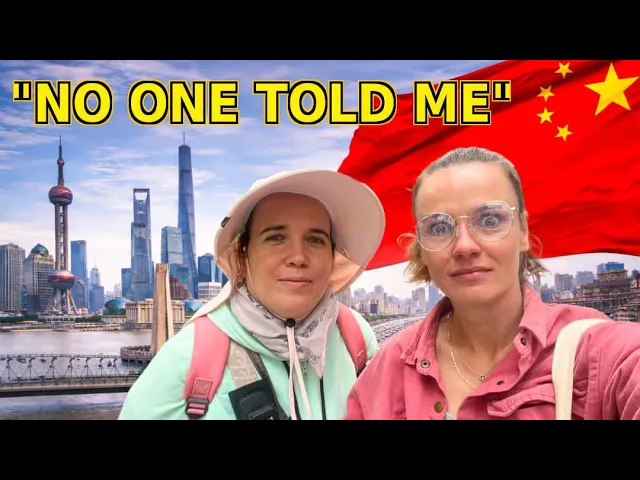
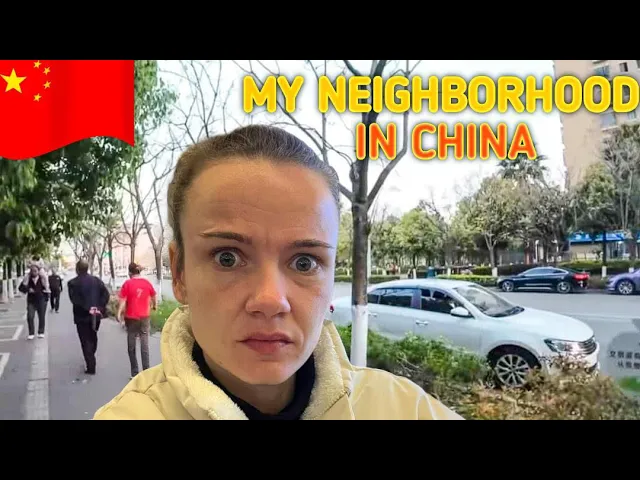
China has become one of the most digital countries in the world — from mobile payments and QR codes to super apps that handle everything. But how do older generations adapt to this fast-moving, high-tech lifestyle? In this video, I walk and talk with my mom about her experience learning to live in cashless China — how she started using her phone to pay for everything, book taxis, and navigate daily life without cash. It’s a personal look at how parents adapt, learn, and thrive in the world’s most connected country.
Lizzy's mother shares her personal journey adapting to China's digital payments and high-tech lifestyle, finding comfort and convenience.
Travel Guides & Tips in this video
Join Lizzy's mother on her incredible journey adapting to China's high-tech, cashless society. From initial shock at mobile payments to embracing the convenience of apps like WeChat Pay and Meituan, this personal story reveals how older generations can thrive in a digital world. Discover her surprising insights and emotional moments as she navigates a new culture and technology.
Next travel video:
15 min
2025
Adapting to High-Tech China: A Mother's Journey with Mobile Payments
China has become one of the most digital countries in the world — from mobile payments and QR codes to super apps that handle everything. But how do older generations adapt to this fast-moving, high-tech lifestyle? In this video, I walk and talk with my mom about her experience learning to live in...
Adapting to High-Tech China: A Mother's Digital Journey
Join Lizzy as she explores the digital revolution in China through her mother's eyes. Witness the fascinating journey of adapting to a cashless society, from mastering mobile payments and QR codes to embracing super apps for daily tasks. This heartwarming video offers a unique perspective on intergenerational learning and resilience in the face of rapid technological advancement.
More about the current video:(Published on 2025-10-08)
This video delves into the fascinating journey of adapting to China's high-tech society, as experienced by Lizzy's mother. Initially accustomed to carrying cash and a purse, she found the transition to a cashless, mobile-first environment in China quite jarring. The convenience and safety of digital payments, like WeChat Pay and Alipay, were a stark contrast to her familiar habits. She recounts moments of feeling embarrassed when trying to pay with cash, a practice that was normal in her home country, South Africa.
Despite initial apprehension and a learning curve with certain apps like Meituan, she eventually embraced the digital transformation. The ability to order groceries, book taxis, and pay for almost everything with her phone became second nature. She even found herself adapting to a cashless routine when visiting South Africa, realizing how accustomed she had become to her phone being her primary payment method. The video highlights the surprising efficiency of services like Meituan, where items are delivered within minutes, and the surprisingly low delivery costs.
Lizzy's mother also touches upon the evolving payment methods, like palm or fingerprint recognition, and expresses trust in China's technology, a sentiment that differs from her concerns back home. She shares how the initial feeling of being overwhelmed or left out due to language and cultural barriers eventually gave way to a sense of belonging and comfort, making China feel like home. The video emphasizes the importance of having the right mindset when visiting China, encouraging an open approach to new experiences and a willingness to adapt. Ultimately, the narrative showcases a successful adaptation to a rapidly advancing digital landscape, proving that with the right attitude, anyone can thrive in China's connected world.
FAQs (From the traveler's perspective)
Q: What was it like adapting to digital China for the first time?
A: It was strange because I was used to always having cash. I felt embarrassed trying to pay with cash when it wasn't the norm anymore.
Q: Is paying with your phone safe?
A: Yes, it's much safer and more convenient. Even if you lose your phone, you still have your PIN and can use your bank card.
Q: What was the hardest app to learn?
A: Meituan was difficult at first because I didn't understand the sizes and had to translate everything. But using the translation feature on WeChat made it easier.
Q: Do you trust the technology for banking apps?
A: Yes, I trust the technology here in China. Back home, I was more scared, but here it feels secure.
Q: Is life easier or more complicated with phone payments?
A: It's much easier with the phone. Everything is so convenient now.
Q: Did you feel left out when you first came to China?
A: Yes, initially, because I didn't understand the language and the culture. But I realized I had changed, and it became easier.
Q: What advice do you have for people scared of using digital payments in China?
A: If you have someone you know, ask them. Otherwise, just Google it; it will tell you what to do. It's strange, but you'll adapt.
Q: Does China advance too fast for older people?
A: No, it makes life more convenient. You just need to adapt, and it makes your life easier. It's about having the right mindset.
Q: Does China feel like home now?
A: Yes, it really feels like home. At first, I felt 10,000 kilometers away, but now it's comfortable and familiar.
Q: What's the key to adapting to China?
A: Give yourself time, like 6 to 7 months. You need to adapt, and then you'll start to like the country and find it convenient.