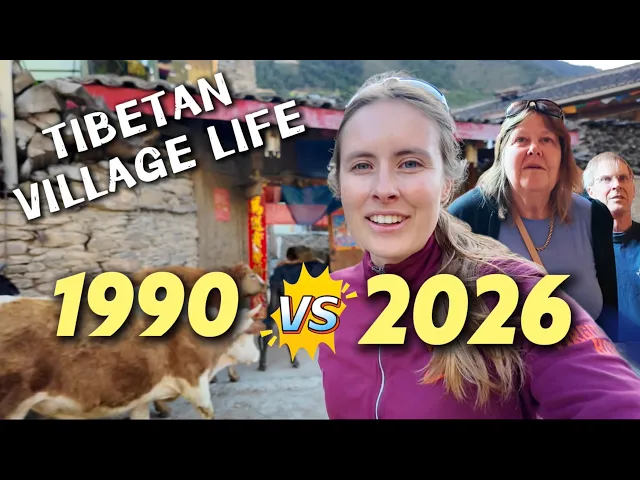
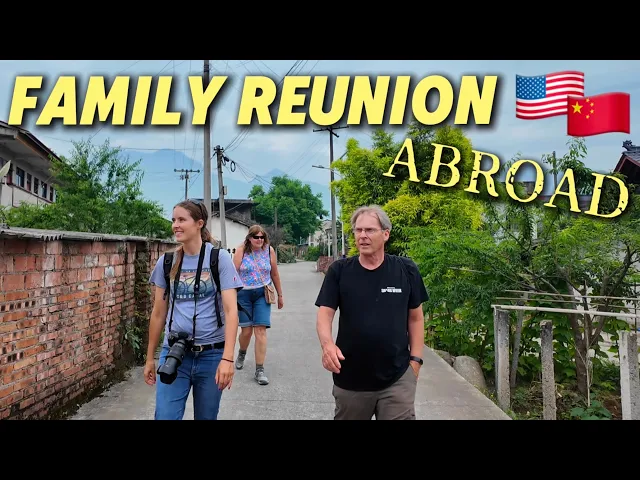
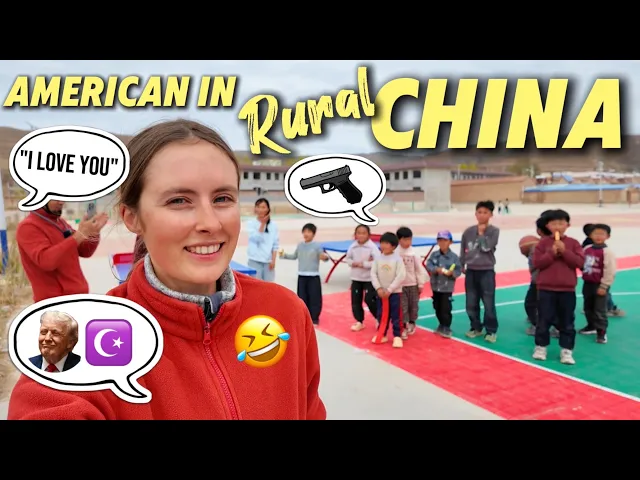
My life in rural China full playlist. The description conveys a raw, unfiltered look at life in the countryside and invites viewers to explore a full playlist focused on rural China. It emphasizes genuine daily moments and the broad, sometimes provocative question of what constitutes China’s regional identity. The promotional note about music rights is nonessential for travel storytelling and has been removed here to preserve the traveler’s voice and the core theme of rural life. My life in rural China full playlist. This channel offers an immersive window into farming rhythms, village scenes, and everyday interactions that define life beyond the city. The content aims to spark curiosity about local customs, landscapes, and the everyday challenges and humor found on the Chinese countryside.
Katherine cycles China's North Korean border, exploring Korean culture, theme parks, and sleepy towns in a raw, unfiltered frontier adventure.
Travel Guides & Tips in this video
Join traveler Katherine as she cycles along the North Korean border, uncovering a world where Chinese and Korean cultures collide in unexpected ways. From obscure theme parks to sleepy rust-belt towns, she discovers hidden layers of history and identity, all while dodging the ultimate question: is this China or Korea? A raw, unfiltered adventure awaits.
Experience Rural China: Raw Frontiers and Everyday Life
🐓🌾🚜My life in rural China full playlist🐓🌾🚜
Content creators can enjoy unlimited access to a huge variety of music - funky, peaceful, upbeat, or whatever else you’re looking for - and eliminate the headache of navigating copyright strikes on YouTube! All I can say is... wish I knew about it...
Biking China's North Korean Border: Raw Frontier Life & Culture
Katherine’s Journey to the East, also known as 阳离子东游记, dives into the rugged and unreconstructed life found on China’s rural frontiers. The creator leans into a raw, unfiltered style to showcase day-to-day scenes that feel distant from glossy tourism and big-city gloss. The title poses a provocative question—Is this CHINA or KOREA?—which signals a focus on contrasts, cultural nuances, and everyday realities that defy easy categorization. The description reinforces this by highlighting a rural China life theme and a full playlist centered on that experience, inviting viewers to witness genuine moments from the countryside rather than curated propaganda. The overall vibe suggests candid snapshots, immersive glimpses into agricultural rhythms, local routines, and the textures of rural existence, all delivered with humor and a touch of shock at the differences one might encounter. The content appears designed to provoke curiosity about regional identity, everyday resilience, and the ways a
Attractions in this video: North Korea Theme Park, Yanji Market, Tumen Border City, Kaishantun, Halong City, Yellow River Border
More about the current video:(Published on 2025-08-20)
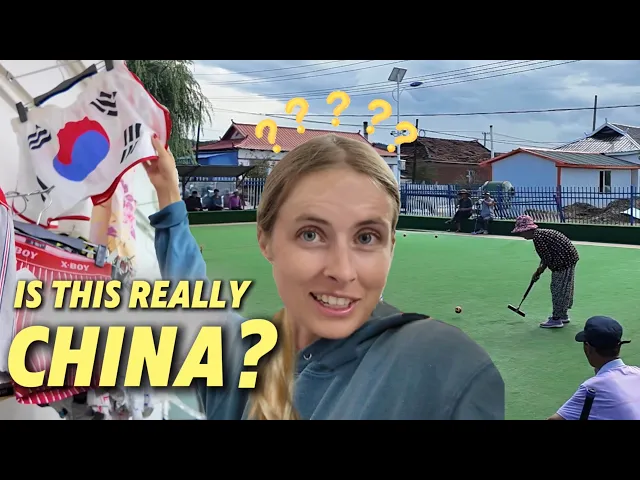
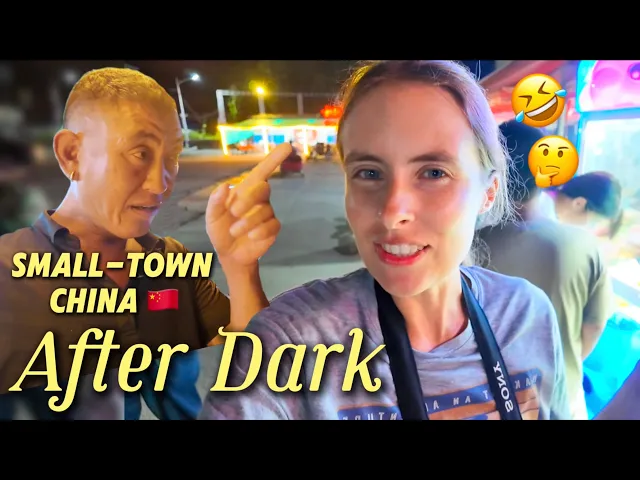
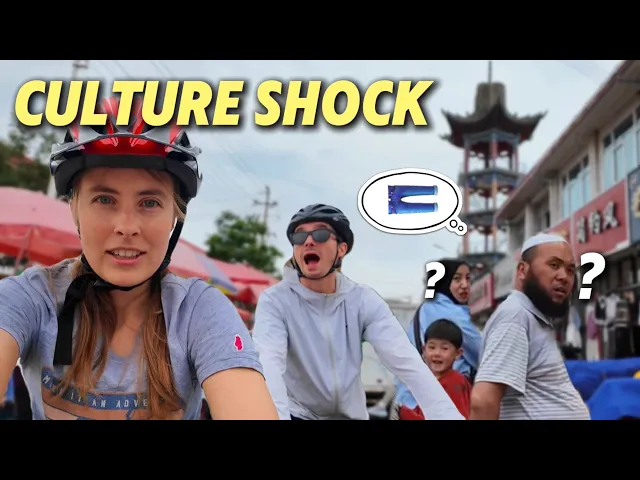
Katherine's bike tour along the North Korean border reveals a fascinating collision of cultures, from the touristy border town of Tumen to the sleepy, Mao-obsessed Kaishantun. In Yanji, she explores bustling Korean markets and a restaurant staffed by government-permitted North Korean workers, a surprising glimpse into cross-border reality. A chance encounter with a man who visited the US leads to a humorous critique of American metros. The journey is peppered with local quirks: a grandpa mistaking her for her husband's brother, a game of croquet sparking childhood nostalgia, and a North Korean theme park frozen in time. In a tiny village homestay, she watches her picky husband finally try cold noodles, a small victory. The vlog ends with a discovery of patriotic Korean flag underwear, a reminder that national pride takes strange forms everywhere. Throughout, Katherine captures the raw, unfiltered life of China's frontier, where identity is fluid and the border is just a narrow river away.
Katherine reflects on her own heritage, sponsored by MyHeritage, revealing a Revolutionary War ancestor, a personal discovery that parallels the region's layered history. The video is a travelogue of contrasts: modern Tumen's nightlife versus Kaishantun's quiet decay; the polished Yanji market versus the rough edge of Halong. She emphasizes that while North Korea remains closed, the ethnic Korean communities within China keep their culture alive, from architecture to cuisine. The journey is not just about places, but the unpredictable human moments that define travel—like being given a seafood snack that looks like 'crackle and pig skin.' Katherine's narrative is informal, witty, and grounded, offering viewers a seat on the handlebars of her bike through one of China's most intriguing regions.
FAQs (From the traveler's perspective)
Q: What were the cold noodles like?
A: A little spicy and sweet together; I didn't like it, but my husband enjoyed trying something new.
Q: How did locals react to you and your husband?
A: One grandpa asked if we were brothers because we wore matching outfits! People are always confused and amused.
Q: What was the most surprising thing at the Korean store?
A: They sold Korean flag underwear, just like Americans do with their flag—I thought only Americans did that!
Q: Can you really see North Korea from the border?
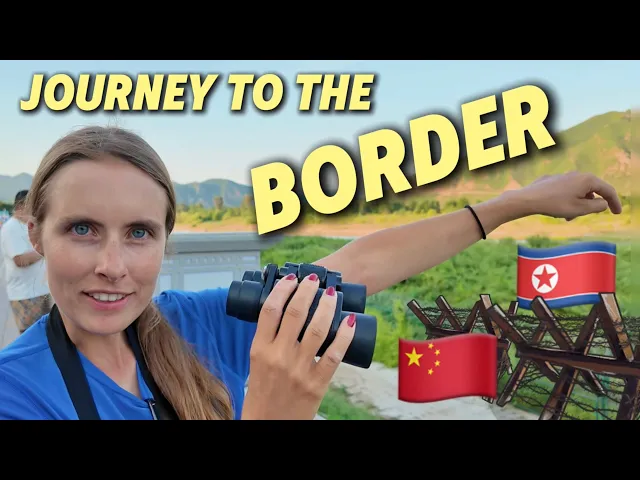
A: Yes, the river is so narrow you can see people and buildings clearly; we even heard them singing across the water.
Q: What was unique about the old Korean house?
A: The kitchen had a pit where you stand to cook, and everything—doors, tables—was tiny. I've never seen that anywhere else in China.