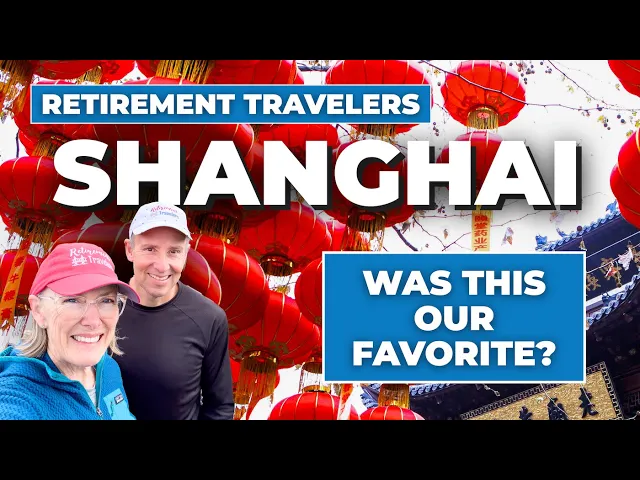
Travel Guides & Tips in this video
John and Bev of Retirement Travelers summarize a nine-city trip across China, which they say covered more than 3,300 miles by high-speed rail and ended in Shanghai. They discuss their own experiences with entry preparations, accommodation, passports, safety, seasonal travel, mobile connectivity and payment apps. The couple also talk about translation tools, hotel stays, timed-entry bookings, local guides, independent transit, ride-hailing, tipping, food, water, medical preparation and public toilets. Their advice draws on the trip they describe as taking place in March and April; visa, entry, connectivity and attraction policies may change, so the video is a record of their experience rather than current official guidance.
Next travel video:
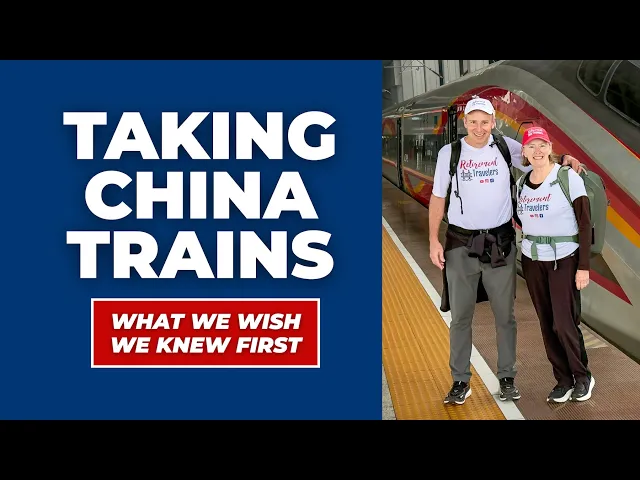
More about the current video:()

The journey
John and Bev of Retirement Travelers look back on their nine-city China trip, which they say covered more than 3,300 miles by high-speed rail and ended in Shanghai. They describe their own travel experience rather than presenting current official guidance. The video revisits the topics they encountered while planning and traveling: entry preparations, accommodation, passports, safety, seasons, mobile connectivity and payment apps. They also discuss translation tools, hotels and breakfast, attraction tickets, local guides, independent transit, ride-hailing, tipping, food, water, medical preparation and public restrooms.
Planning notes
The couple share practical lessons from their itinerary. They say they carried their original passports for train tickets, hotels and attraction entry, and used mobile data and their phones as laptop hotspots. They used Alipay and WeChat Pay, sometimes switching phones when a code would not scan, and relied mainly on Apple Maps for routes, including subway directions and platform information. They describe booking some attraction tickets through WeChat, visiting sites with local guides arranged through hotels and going to the Great Wall independently by subway and high-speed train.
John and Bev also recommend checking timed-entry availability in advance for busy periods, asking at ticket desks about age-based concessions, and asking a hotel whether it can arrange a local guide. For public restrooms, they suggest carrying tissues and hand sanitizer because toilet paper was not always stocked in the stalls they used. These are examples from their trip, which they say took place in March and April; entry, connectivity and attraction policies can change, so their account should not be treated as current official advice. They summarize what they learned after visiting nine cities and share more than 30 travel tips for viewers planning a China trip.
China high-speed train travel tips
John and Bev's nine-city itinerary covers their own practical choices for transport, payments, attraction visits and everyday preparation.
FAQs (From the traveler's perspective)
- Q: How many cities did the trip cover?
- A: John and Bev describe a nine-city journey across China that they say covered more than 3,300 miles by high-speed rail. They summarize the trip after wrapping up in Shanghai.
- Q: Where did the trip wrap up?
- A: The travelers say they wrapped up their China journey in Shanghai after visiting nine cities and covering more than 3,300 miles by high-speed rail.
- Q: What does the article share for trip planning?
- A: John and Bev share more than 30 travel tips from their own China trip. Topics include passports, mobile connectivity and payments, attraction tickets, guides, transport, food, health and public restrooms.
- Q: Which payment apps did they use?
- A: They say they used Alipay and WeChat Pay, and recommend learning how each app displays its payment and scan codes. They sometimes switched phones when a code would not scan.
- Q: What did they use for navigation?
- A: They say they relied mainly on Apple Maps for routes, including subway directions and platform information during their trip.
- Q: What should travelers carry for public restrooms?
- A: They recommend carrying tissues and hand sanitizer because toilet paper was not always stocked inside the stalls they used. They also encountered newer facilities with western-style toilets.