Travel Guides & Tips in this video
- Tip 1If you’re unsure about an agent, research and talk to others who have used them; avoid dodgy agencies and ask for past teacher experiences. (03:40)
- Tip 2Expect to teach across multiple campuses; plan logistics and pay attention to how contracts cover travel between sites. (08:02)
- Tip 3Get annual medicals and understand immigration/visa requirements; keep documentation up to date and be prepared for background checks. (15:40)
- Tip 4Share your own experiences, ask questions, and build a support network with fellow teachers in China. (19:20)
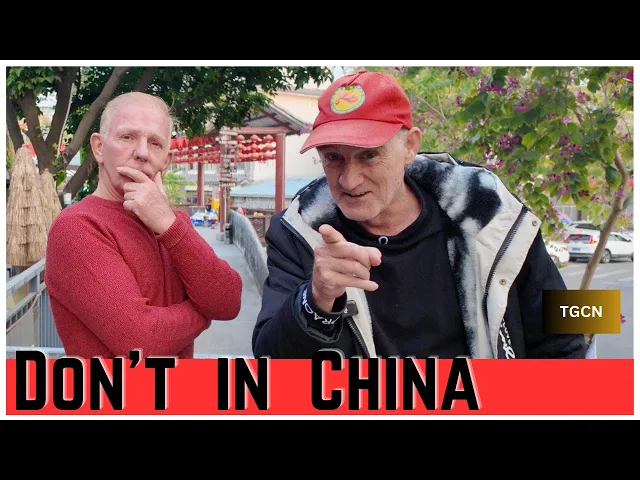
Tony and Scott dive into the realities of living, working, and teaching in China, cutting through rosy myths to reveal the harsh edges. They discuss where foreigners usually start, with many entering kindergartens and climbing to colleges or universities, and they explain how contracts and agents shape your first year abroad. Tony shares concrete memories of arriving with an agency, paying hefty placement fees, and navigating a city’s labyrinth to reach the school. The conversation turns practical: the requirements to teach include a bachelor’s degree and a TESOL or TEFL certificate, medicals every year, and the inevitability of weekend work and parent meetings. They contrast direct school hiring with agents, warn about dodgy agencies, and stress that a good reference can be hard to secure when changing jobs. The talk moves to personal life and workload, noting that bigger class sizes and rigid teaching methods prevail in many settings, but there are moments of creative teaching ideas,
Next travel video: ( 10 / 29 )
More about the current video:( 9 / 29 )

In this chat, Tony and Scott explore the ups and downs of teaching in China, from starting in kindergarten to expanding into colleges and even universities. Tony explains how he got his start through a small agency, the fees involved, and the sometimes chaotic process of arriving in a new city and finding the school. They cover the essential requirements to teach in China—bachelor’s degree plus TESOL or TEFL—along with annual medicals and the labor realities such as weekend work and parent meetings. The conversation also dives into the agency versus direct-hire debate, warning that many agencies can be dodgy and a solid reference after leaving a job can be hard to obtain, sometimes leading teachers to write their own references. Tony reflects on his long tenure at one school and his mixed experiences with different schools and centers, including running a teaching center with his ex-wife. They touch on the gender dynamics in marriage and how being a foreign teacher can influence relationships and finances in China, noting that class sizes can be very large and teaching styles can feel rigid. Throughout, Tony offers practical tips, like verifying agencies, researching experiences of other teachers, and experimenting with teaching methods such as allowing phone use for research or using music and storytelling to engage students. The overall message is that teaching in China can be rewarding but demands adaptability, resilience, and careful navigation of contracts and cultural expectations. Tony ends by inviting viewers to share their own experiences and questions about teaching or traveling in China, signing off with a plan to do a walk for the audience.