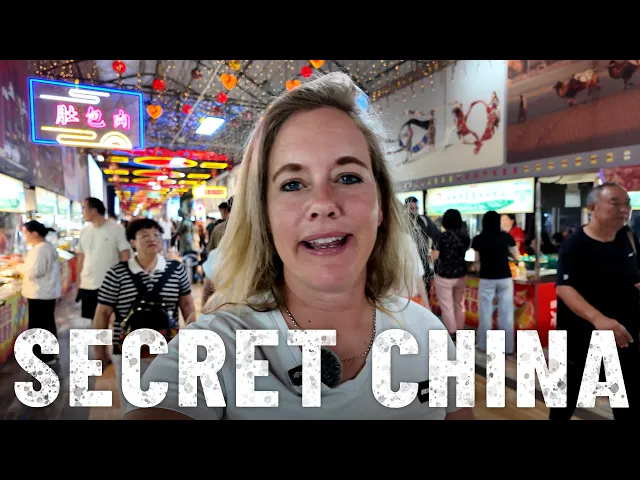
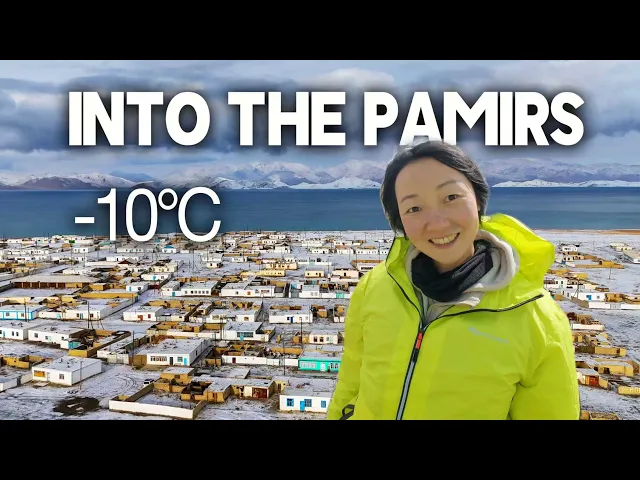
Ever wondered what it’s truly like to be in China? In this video, I take you on a journey deep into the heart of one of the world’s most fascinating and culturally rich countries. Is China the way it’s often portrayed in the media? Join me as I explore, learn, and share my unfiltered experiences in this incredible country! This travel vlog will highlight my experience being in China & what its like to travel around this country.
i wanted to explore and go to a part of China, Urumqi in Xinjiang Uyghur Autonomous Region in Northwestern China. I decided to see what its like to be in this part of China & and truly see how people are living in this part of China as it's been warned by tourists not to visit this part of China.
So what you will see in this video is what it's really like to be in China & if China will be on your travel bucket list to travel in the future as a tourist.
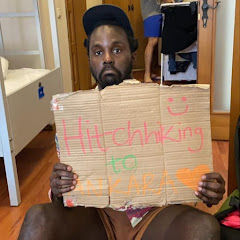
Travel vlog with Blackman the Traveler exploring Umaraji/Umeiji in Xinjiang during winter, highlighting language hurdles, warm local interactions, halal food, a
Travel Guides & Tips in this video
Blackman the Traveler embarks on a risky-sounding photojournal in northwest China, landing in the city of Umaraji/Umeiji (Urumqi in Xinjiang) where foreigners are said to rarely tread. From the start, the vlogger paints a candid, almost backpacker-in-a-storm mood: frozen minutes, language barriers, and a sense that danger is overstated but the weather is very real. He wanders a wintry street scene, hunting for food and human connection, and finds it in the warmth of strangers who step in with guidance. Despite a chattering VPN, limited Chinese, and the brutal cold, he stumbles into spontaneous encounters: a random karaoke bar where locals help him navigate, a bustling market with halal options and Arabic engravings, and a chain of small-human moments that show daily life beyond the headlines. He films a mix of curiosity and humor—ordering chicken feet, marveling at varied street foods, and snapping selfies with shopkeepers who quickly become part of his story. A recurring thread is the
Next travel video:
China Travel: Unfiltered Experiences in Urumqi, Xinjiang
What It's Really Like To Be In China
Ever wondered what it’s truly like to be in China? In this video, I take you on a journey deep into the heart of one of the world’s most fascinating and culturally rich countries Is China the way it’s often portrayed in the media? Join me as I explore, learn, and...
What It’s Really Like to Be in Xinjiang: Winter in Umaraji/U
Embark on an unfiltered adventure through China with Blackman Da Traveller! This vlog dives deep into the realities of life and travel in this captivating nation, challenging Western media portrayals. The journey takes an intriguing turn to Urumqi in the Xinjiang Uyghur Autonomous Region, a place often cautioned against by tourists. Discover the authentic experiences, local life, and whether China should be on your future travel radar. Prepare for a revealing look at this culturally rich destination.
More about the current video:(Published on 2025-08-20)
Blackman the Traveler lands in a part of China many say foreigners don’t visit, Umaraji in the Xinjiang region. He’s cold, underprepared, and internet-less, wandering streets at night in search of food and connection. In a busy street, locals help him navigate a language barrier, and he shares the moment with a warm greeting and a quick meal. He stumbles into a random restaurant, collects stories from vendors, and is invited to explore a KTV; the experience becomes a playful peek into communal life rather than a staged tourist stop. He chats with shopkeepers, learns a few phrases, and is introduced to the local Muslim market culture, Arabic signage, and halal options. The video captures how people respond to a curious foreigner: welcoming but cautious, curious yet respectful. Throughout, the traveler reflects on safety, stereotypes, and the wildly human moments that follow a simple question: what is life really like in this corner of China? He ends with a promise to keep exploring, to make travel fun again, and to stay connected with locals like Mr. Lee who invite him to come back and share more stories. Traveler Blackman the Traveler documents both humor and humility in his quest to understand a region painted by media, insisting that genuine experiences emerge when you step into the street with an open mind and a camera. This is not a glossy tour—it’s a real-time diary of navigating cold weather, language barriers, halal markets, and the kindness of strangers who say welcome to China. The journey invites viewers to question assumptions and to seek authentic encounters beyond the headlines, while leaving room for more discoveries tomorrow, as snow falls and new year celebrations begin in Xinjiang.
Note: Key moments include the cold-weather scavenges for gloves, the spontaneous market meal, the KTV exploration with locals, and the heartfelt exchange with Mr. Lee who connects the traveler to a wider community. The traveler’s voice remains upbeat, humble, and fascinated by the everyday life unfolding before him in a region often discussed yet rarely truly seen on camera.