
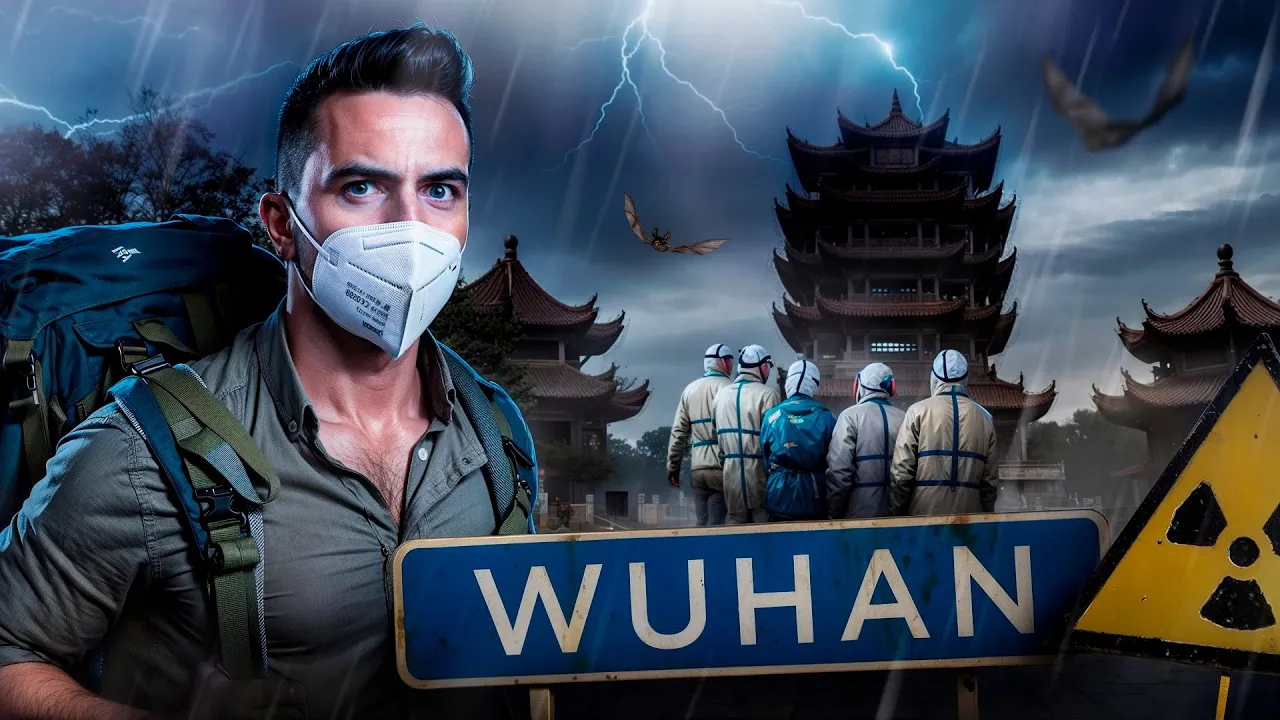
Travel Guides & Tips in this video
PPPeter travels to Wuhan, a city he says has often been misunderstood, to explore its history and transport links. The city stands where major regions, railway lines, and two rivers meet, and its role as a transport hub is part of the story. Near the train station, he struggles to find a taxi amid traffic. He discusses historical events including the Huangchao Uprising, the Battle of Wuhan, floods, and the 2020 pandemic, then visits the former Huanan Seafood Market, which is now closed and rebuilt. The modern city includes a maglev train and European-inspired architecture alongside skyscrapers. In the street-food area, PPPeter first hesitates over stinky tofu because of its smell, then finds it surprisingly tasty. His visit connects personal experiences with Wuhan’s geographic position, history, transport, and food.
Next travel video:

More about the current video:()

Wuhan’s geography, history and transport
PPPeter visits Wuhan, a city he says has often been misunderstood and that has been described as the world's worst. The video opens by addressing the 2020 pandemic and connects the city's position as a major transport hub with questions about how the virus spread. It describes Wuhan at the meeting point of four key regions, two major railway lines and two large rivers, a location that contributed to its historical importance and present-day transport role. The route includes Yellow Crane Tower as one of the city's notable landmarks.
Near the train station, PPPeter struggles to find a taxi amid heavy traffic and high demand. The experience gives him a practical view of the congestion around the station. The video also refers to the Huangchao Uprising, the Battle of Wuhan, devastating floods and the 2020 pandemic as events that shaped the city's history and resilience. PPPeter visits the former Huanan Seafood Market, now closed and rebuilt, and reflects on the pandemic's impact. His observations place the closed market within a broader account of a city that has experienced both historical conflict and modern disruption.
Wuhan's transport network is part of the city's modern identity. PPPeter rides the magnetic levitation train, a quiet, high-speed service that he describes as a futuristic way to see the city. He recommends allowing plenty of time for local travel because traffic can lengthen journeys, and considers the maglev as an alternative for some trips. His account moves between transport, landmarks and personal encounters rather than treating the city as a single story.
Architecture and street food
PPPeter sees European-inspired buildings and modern skyscrapers as part of Wuhan's architectural mix. His food stop features street dishes, including stinky tofu, a popular fermented food with a pungent smell. He is initially wary of trying it, but after tasting it he finds it surprisingly delicious. The reaction becomes a personal example of how an unfamiliar smell can give way to a positive experience.
The visit combines geography, transport, history, architecture and food. PPPeter's difficulty finding a taxi, visit to the rebuilt market site and response to stinky tofu remain details from his own trip. Together with the city's rail links, two rivers and historical landmarks, they offer a view of Wuhan's layers and resilience.
FAQs (From the traveler's perspective)
- Q: Why is Wuhan an important transport hub?
- A: The video describes Wuhan as sitting at the meeting point of four key regions, two major railway lines, and two large rivers. PPPeter links this geographic position with the city’s historical importance and its present role as a major transport hub.
- Q: What happened when PPPeter tried to get a taxi?
- A: Near the train station, he had trouble finding a taxi because of traffic congestion and high demand. The experience gave him a practical example of how busy the area can be, and the source suggests allowing extra travel time or considering other transport options.
- Q: What was PPPeter’s reaction to stinky tofu?
- A: He was initially wary because of the pungent smell, but after tasting the fermented tofu he found it surprisingly good. The change in his reaction is one of the food moments from his Wuhan visit.
