
Travel Guides & Tips in this video
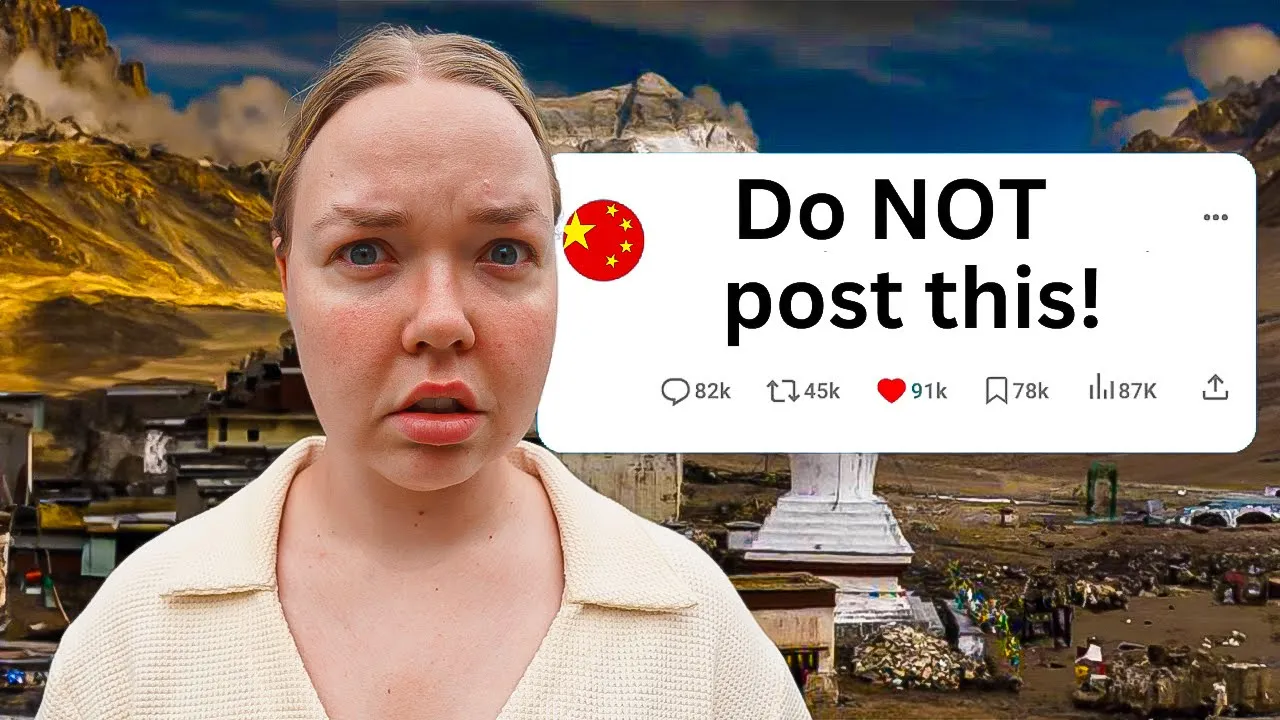
Josie Lifts Things travels through Yunnan to Lhasa for a two-part visit to Tibet. The trip requires permits and a guide for non-Chinese residents, and altitude sickness is a real concern. Josie acclimatizes before traveling higher and starts altitude medication before departure. In Lhasa, she and Michael feel the effects of altitude, with Michael's symptoms worsening. Despite the challenge, Josie visits monasteries, watches monk debates, interacts with local people, and learns about sky-burial traditions. The route includes rural mountain scenery, markets, tea houses, and the Potala Palace. The video emphasizes staying hydrated, dressing warmly through temperature changes, and relying on a guide for permits and assistance.
Next travel video:

More about the current video:()

Preparing for Lhasa
Josie Lifts Things documents a two-part journey to Tibet. The trip begins in Yunnan, where she spends time at a lower altitude and prepares before going higher. The route also includes permits and military checkpoints, which shape travel through the region. The video discusses altitude sickness, permits and the requirement for non-Chinese residents to travel with a guide. Josie says she takes altitude-sickness medication before the trip and feels both nervous and excited. On arrival in Lhasa, she and her companion Michael feel the effects of the altitude, and Michael's symptoms worsen.
Josie's account describes the guide's role in handling permits and assisting during the visit. She also discusses hydration, dressing warmly in the mornings and evenings as temperatures change, and avoiding a shower immediately after arrival. The source recommends being prepared for altitude-related problems and notes that medical evacuations occur. These are presented as travel advice from the video, alongside Josie's own experience rather than as a substitute for medical guidance. She also notes that some hotel units that look like air conditioners may actually be heaters, and suggests bringing a fan if needed.
Monasteries, traditions and mountain scenery
Despite the physical challenge, Josie visits a monastery and watches monk debates. She interacts with local people and learns about Tibetan Buddhist culture, including sky-burial traditions. Markets and tea houses are part of the journey, along with rural mountain scenery and a visit to a temple described in the video as the holiest Buddhist temple. The route concludes with a climb at the Potala Palace.
Josie reflects on how high altitude and crowded tourist sites shape the experience, alongside the beauty of the mountains and monasteries. The video shows her personal response to the physical strain as well as her interest in local customs and daily life. A preview indicates that the second part of the series continues in the mountains. The trip therefore brings together preparation, permit requirements, cultural visits and the travelers' adjustment to Lhasa's elevation.
FAQs (From the traveler's perspective)
- Q: What travel requirements does the video mention for Tibet?
- A: The video says visitors who are not Chinese residents need a special permit and must travel with a guide. The guide handles permit requirements and provides assistance during the trip.
- Q: How does the video describe altitude sickness?
- A: Altitude is a significant challenge. Josie prepares by acclimatizing at a lower elevation and taking medication before traveling higher, while Michael experiences worsening symptoms in Lhasa.
- Q: What cultural activities does Josie experience?
- A: Josie watches monk debates at a monastery, interacts with local people, visits markets and tea houses, and learns about sky-burial traditions. The trip also includes mountain scenery and the Potala Palace.
