Travel Guides & Tips in this video
- Tip 1Take a high-speed train from Chengdu to Ya’an; when you arrive, say bun sha and the staff will know you’re there. From the station, a 30-minute taxi gets you to the panda base. (0:00)
- Tip 2Buy the base plus wildlife ticket for 260 RMB; pandas alone cost 100 RMB per person. If you want to go closer, there’s a 20 RMB option for a short shuttle. (6:39)
- Tip 3The site is a sanctuary as well as a research hub—set aside time to explore both the panda exhibits and the surrounding nature trails, including the Bong Sha Mamboo 2.5-km loop that takes about two hours. (7:41)
- Tip 4Consider spending a night to fully enjoy the panda base and nearby Shangli Ancient Town; the hotel rooms offer views and easy access to dining and the forest atmosphere. (9:01)
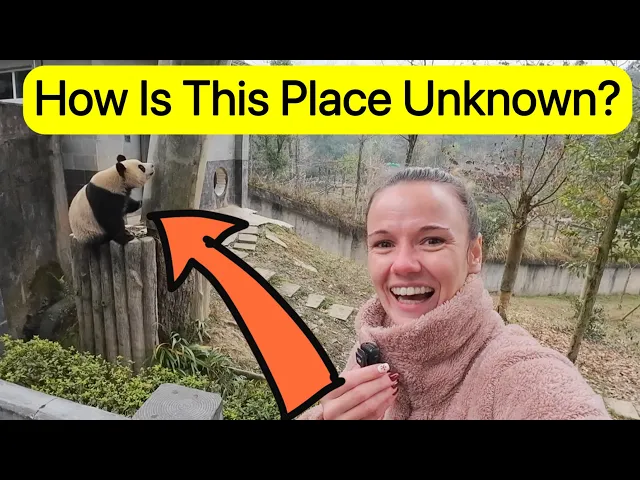
Lizzy visits Bifengxia Panda Base in Ya’an, an important global hub for panda protection, breeding, and research. She discovers a side of panda care that goes beyond cuteness: a sanctuary that prioritizes elderly pandas, spacious enclosures, tailored medical treatment, and stress-free environments. The base is also a pioneer of international collaboration, hosting pandas that were once abroad and returning home as symbols of shared responsibility across borders. The narrative blends science, conservation ethics, and human stories, showing how decades of work in genetics, disease prevention, nutrition, and breeder programs have transformed the species’ outlook. Lizzy notes the base’s broader biodiversity mission and reflects on how conservation is about ecosystems, forests, and people, not just one species. The visit blends intimate moments with caretakers and pandas with practical guidance, including travel logistics, and ends with a sense of hope for humanity’s role in protecting the,
Next travel video: ( 111 / 112 )

More about the current video:( 110 / 112 )

Lizzy travels to the Bifengxia Panda Base in Ya’an, a major panda sanctuary where giant pandas are protected, bred, and studied at high scientific levels. She learns that many pandas here are elderly or have lived overseas and returned home, and she emphasizes the importance of generous space, clean environments, and personalized care for each panda. The base’s role in global cooperation stands out: pandas that once lived abroad are back in China as symbols of shared responsibility. The video also discusses how human care extends life expectancy, the importance of environmental protection, and the long history of conservation work. Lizzy comments on the documentary backdrop and the human effort behind successful panda protection, then shifts to practical travel notes about how to reach the base, ticket pricing, and optional transport. The day culminates with a visit to Shangli Ancient Town and a preview of local snacks and fish hotpot, underscoring the cultural richness surrounding the conservation site. Lizzy closes with gratitude and a hopeful vision for future cooperation in protecting nature and animals.
FAQs (From the traveler's perspective)
- Q: Is Bifengxia Panda Base easy to reach from Chengdu?
- A: Yes. Take a high-speed train to Ya’an, then a short taxi ride to the base—about 30 minutes from the station.
- Q: What makes this panda base special besides the animals?
- A: It emphasizes elderly panda care, personalized medical records, and strong international collaboration that brings back pandas once abroad, symbolizing shared responsibility.