
Travel Guides & Tips in this video
Barrett visits Urumqi's Grand Bazaar and a busy street food area, where dishes are bought from separate stalls and eaten at shared tables. He tries roasted eggs, breads, lamb skewers, roast lamb, pigeon and camel meat, a first for him. The variety and smells surprise him, and he says the market offers foods he has not encountered before. He also tries Xinjiang ice cream and comments on the region's long daylight hours, which he links to China's single time zone: it can remain light until 9 or 10 p.m. Xinjiang is known for melons, especially Hami gua. Barrett shares his personal preference for northern Chinese food over southern dishes.
Next travel video:

More about the current video:()

The Grand Bazaar and local food streets
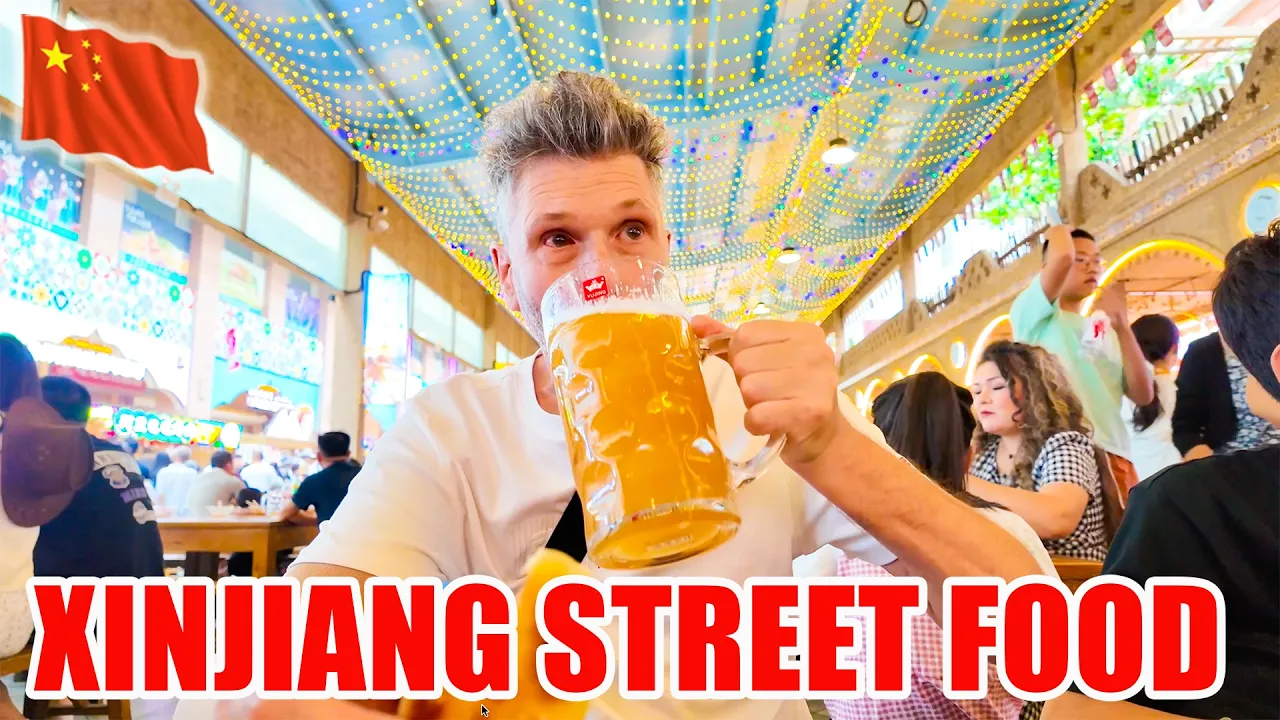
Barrett arrives in Urumqi and visits the Grand Bazaar. He initially finds the market too tourist-oriented and prefers the local street food area, where he sees a wider range of dishes. The area is busy, with food available from many stalls. Visitors choose what they want from different vendors and then find a table to eat.
The food includes roasted eggs, breads, lamb skewers, roast lamb, pigeon and camel meat. Camel is a first for Barrett, who reacts with curiosity and some apprehension. He also tries Xinjiang-style pies and describes the variety as much greater than what he expected. The market's smells, vendors and communal tables are part of the experience, and Barrett shares his reactions as he samples unfamiliar dishes.
Long evenings and local flavors
Barrett notes that Xinjiang can stay light until 9 or 10 p.m. because the region follows China's single time zone. He compares this with other parts of China, where it gets dark earlier. This extended evening light shapes the time he spends exploring Urumqi.
He tries Xinjiang ice cream toward the end of the food tour and has a positive impression of the region's culinary offerings. Xinjiang is also known for melons, especially Hami gua. Barrett shares his opinion that northern Chinese food is better than southern Chinese food, presenting it as his own preference. The episode follows his trip through the bazaar and street market, combining food stalls, unfamiliar ingredients and his personal reactions.
The trip also includes Turpan, and the arrival drive into Urumqi gives Barrett a first impression of the city. He comments on the visible security presence before turning his attention to food. At the Grand Bazaar, he decides the stalls feel aimed at tourists, so he looks instead for a busy local street food area. There, the choice is not limited to one cuisine or one familiar dish: he sees roasted eggs and breads alongside grilled meat, and can move between stalls before sitting down to eat.
Barrett's reactions are part of the story. Camel meat is new to him, and he approaches it with some hesitation before trying it. He also samples pies and ice cream, with the Xinjiang ice cream serving as a pleasant finish to the food exploration. The video presents these experiences as his own discoveries rather than a ranking of every dish in the region. He compares the late evening light in Xinjiang with other parts of China and shares his personal preference for northern food over southern food.
FAQs (From the traveler's perspective)
- Q: What kinds of street food does Barrett try in Urumqi?
- A: He samples roasted eggs, bread, lamb skewers, roast lamb, pigeon, camel meat, Xinjiang-style pies and ice cream. Trying camel meat is a first for him.
- Q: Why does it stay light late in Xinjiang?
- A: Barrett says it can remain light until 9 or 10 p.m. because Xinjiang follows China's single time zone, unlike regions where it gets dark earlier.
- Q: How do you order food at the street market?
- A: The market has different stalls where visitors buy dishes, then take their food to a table to eat. Barrett describes a large variety of foods to choose from.
