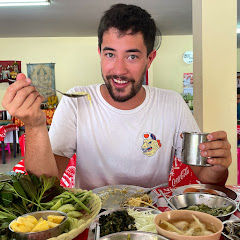
Today is day 3 of our Lost Plate Food tour across Yunnan, China. We are diving even deeper into Yunnanese cuisine and sampling the most daring dish the province has to offer : wild mushroom hotpot! I make videos about local, authentic and unique foods from across the globe. I particularly like to sample street food across Asia. My mission is to create content that is entertaining, informative, honest and fun!
Luke Martin explores Yunnan, China, tasting wild mushroom hot pot and unique local dishes. He visits ancient towns and experiences Nashi culture, highlighting China's diverse and adventurous cuisine.
Travel Guides & Tips in this video
Join Luke Martin on a thrilling culinary journey through Yunnan, China, as he braves the potentially deadly world of wild mushroom hot pot. From identifying unique, poisonous fungi to savoring their earthy flavors, this Lost Plate tour explores the daring side of Yunnanese cuisine. Experience the charm of ancient towns, unique bookstores, and discover the cultural significance of Nashi fire pit cooking in Lijiang, offering a truly unforgettable taste of China.
More about the current video:(Published on 2025-11-02)
Yunnan Wild Mushroom Hotpot: A Deadly Culinary Adventure in China
Today is day 3 of our Lost Plate Food tour across Yunnan, China. We are diving even deeper into Yunnanese cuisine and sampling the most daring dish the province has to offer : wild mushroom hotpot!
I'm Luke Martin, food lover and world traveller! I make videos about local, authentic and unique...
Yunnan Wild Mushroom Hot Pot & Lijiang Nashi Cuisine Tour
Embark on a culinary adventure in Yunnan, China, with Luke Martin as he explores the depths of local cuisine. This episode dives into the daring world of wild mushroom hotpot, a dish that promises an unforgettable taste of the province's unique flavors. Join Luke as he navigates authentic and exotic foods, sharing his passion for street food and his global gastronomic journeys. Prepare for an entertaining, informative, and fun exploration of China's vibrant food scene.
Attractions in this video: Tea And Horse Trail, Ancient Town, Courtyard Restaurant, Old Barn House, Fire Pit
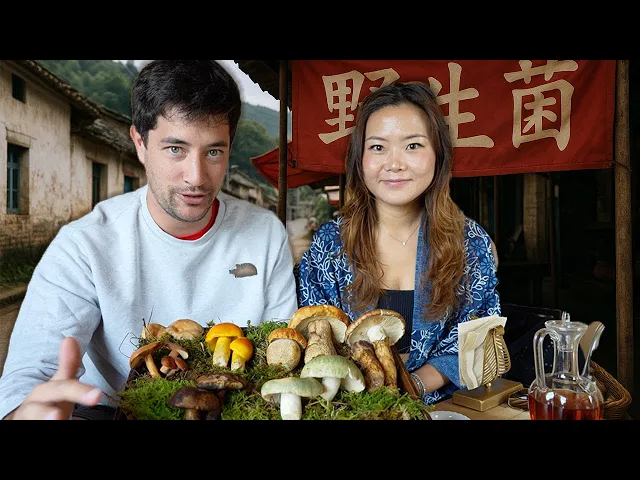
Embark on a culinary adventure through China's Yunnan province with Luke Martin as he explores the unique and sometimes perilous world of wild mushroom hot pot. This episode of the Lost Plate food tour takes viewers to the ancient tea and horse trail, beginning in the town of Shashi. Here, the focus is on an array of exotic mushrooms, some of which are known to be poisonous, with local statistics revealing that a significant number of people succumb to mushroom poisoning annually.
The journey delves into the identification of various mushrooms, including the Matsutaki, Porcini, Chicken Egg mushroom, Gong mushroom, Milky mushroom, and Blackening mushroom, each with its distinct characteristics. A particularly intriguing find is the Blackening mushroom, which turns purple when cut and is noted for its slightly poisonous nature. To ensure safety, a portion of this mushroom is kept by the restaurant as a precaution in case diners fall ill, highlighting the serious risks associated with consuming these wild fungi.
The experience culminates in a steaming hot pot, where a variety of mushrooms are cooked in a rich chicken broth, along with chicken and fried pork skin. The broth itself is praised for its deep, earthy mushroom flavor, described as tasting remarkably like MSG without actually containing it. The textures of the cooked mushrooms vary, offering a delightful culinary exploration. The restaurant, situated outside Shashi Center, is lauded for its beautiful ambiance and scenic views, a hidden gem only discoverable through a guided food tour.
Beyond the mushroom hot pot, the tour ventures into the picturesque Yunnan countryside, experiencing a tuk-tuk ride amidst a brewing storm. A visit to a unique bookstore, housed in an old barn, offers a moment of cultural immersion with its distinctive architecture and 'Harry Potter' vibe. The culinary exploration continues with dinner at another courtyard restaurant, featuring dishes like stir-fried tree moss and a unique pea cake with underground bamboo. The tree moss, prepared with scrambled eggs and peppers, offers a unique, stringy, and slightly crunchy texture, while the pea cake, when deep-fried, puffs up into an interesting new form, complemented by the crunchy yet chewy underground bamboo.
The final leg of the journey takes Luke Martin to Lijiang, a major stop on the Tea Horse Trail. This ancient city, with its wooden buildings and intricate water canal systems for fire prevention, presents a distinct architectural landscape. Here, the focus shifts to Nashi cuisine, specifically preserved pork and ribs cooked in a fire pit, a tradition deeply ingrained in Nashi culture. The preserved meat, though initially thin, becomes tender and juicy when cooked, offering a comforting and flavorful experience, especially for those who once traveled the tea routes. The Nashi fire pit holds significant cultural importance, treated with utmost respect as a symbol of warmth and prosperity. The meal also includes mountain potato, grilled over charcoal, and a unique hot pot experience with various vegetables and tofu. The tour concludes with Luke recommending the Lost Plate food tours for an authentic and unforgettable experience in China, offering a discount code for viewers.
FAQs (From the traveler's perspective)
Q: Are the mushrooms in Yunnan really poisonous?
A: Yes, some wild mushrooms in Yunnan are poisonous, and tragically, people do die from eating them each year. Restaurants take precautions with certain types.
Q: What was the tracking system for the soup?
A: The restaurant wrote down the time, how many people were eating, and my phone number on a little tag for the soup, so they know exactly whose is whose in case of an issue.
Q: What did the tree moss taste like?
A: It had a very unique, stringy, and slightly crunchy texture, almost like seaweed, but it didn't have much flavor on its own; the seasoning and eggs provided most of the taste.
Q: What is preserved pork like?
A: It's ribs that are preserved, so they are very thin. When cooked in soup, they get bigger, become tender, juicy, and have a lot of flavor, though they can be quite salty.
Q: What is the Nashi fire pit's significance?
A: It's extremely important to the Nashi people, considered like a god of fire. It's always in the center of the house, and they show it great respect, keeping it clean and tidy.


![100 Hours of Chinese Food 🇨🇳 Epic Food Journey Across China [Shanghai, Beijing & More]](https://i.ytimg.com/vi_webp/EotDq0VEJRI/sddefault.webp "China Food Adventure: Exploring Shanghai, Beijing & More")