
Travel Guides & Tips in this video
On a late-night street food tour with Lost Plate Food Tours, Luke Martin explores Chengdu's Sichuan cooking. He begins at a fly restaurant, where the focus is flavor and affordable, local food, then tries handmade dumplings with hand-ground sea pepper. Later stops include twice-cooked pork, fried mushrooms with Sichuan peppercorns, an egg pancake, fried potatoes, Tian Shui sweet-water noodles, and Dandan noodles. Luke describes the peppercorns' floral, lemony taste and numbing sensation, and ends with plum wine at a local bar.
Next travel video:

More about the current video:()

A late-night Chengdu food tour
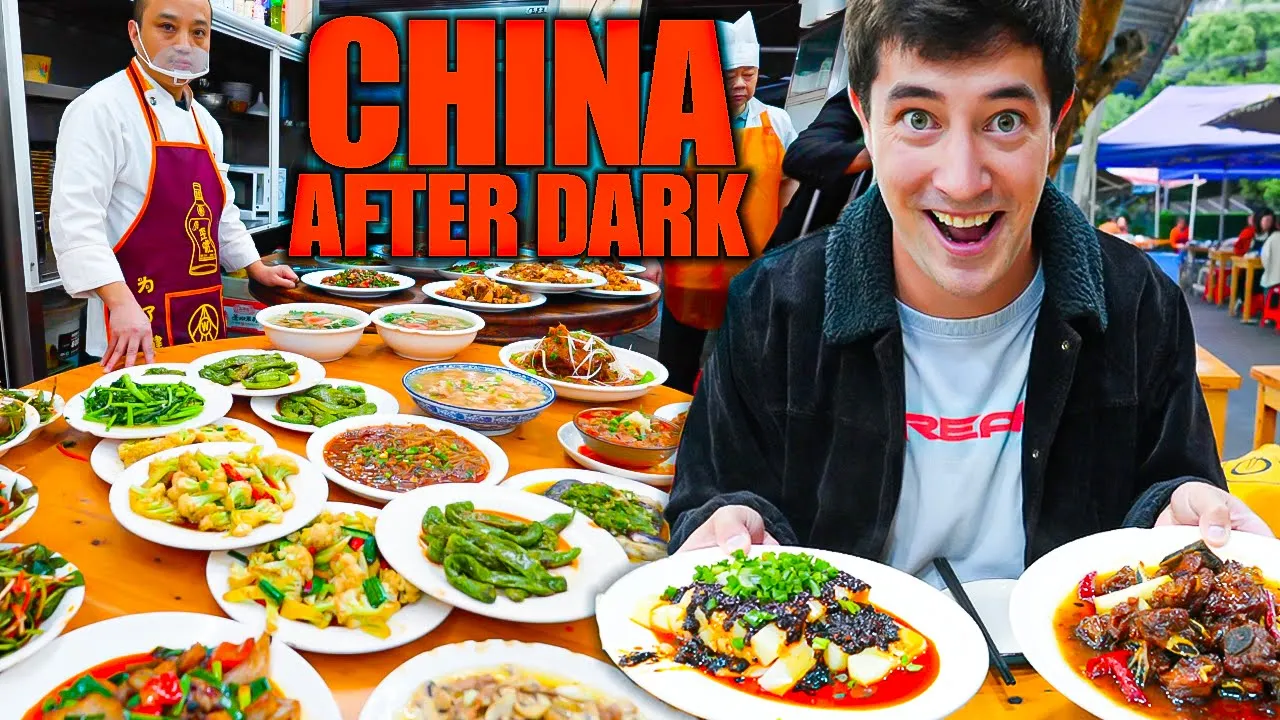
Luke Martin joins Lost Plate Food Tours for a Sichuan street food tour in Chengdu. The first stop is a fly restaurant, an informal name for a place that focuses on flavor rather than appearance or hygiene. It is usually inexpensive and offers local food. Luke samples red oil chicken, sweet-and-sour pork ribs, and Liang Fen, a mung bean jelly served with spicy black bean sauce. His descriptions follow the dishes and flavors he encounters rather than treating the restaurant as a polished dining room.
The group next visits a dumpling restaurant. Luke tastes both spicy and non-spicy dumplings and radish pickles, noting the handmade quality. He also learns about sea pepper, which is ground by hand and gives the food a distinct flavor. The tour then reaches a local late-night spot with a lively atmosphere, although Luke finds the service less friendly. There he tries twice-cooked pork, prepared in two cooking stages, along with fried mushrooms seasoned with Sichuan peppercorns.
Noodles, peppercorns, and a final drink
Other foods on the route include a sweet-and-savory egg pancake that Luke compares with Thai street food and fried potatoes with an unusual flavor. The tour's noodle stops feature Tian Shui, or sweet-water noodles, and Dandan noodles, a well-known Sichuan dish. Luke describes the different textures and the balance of sweet, spicy, and nutty notes.
Sichuan peppercorns contribute a distinctive numbing feeling. Luke describes their taste as floral and lemony, alongside the tingling sensation. The food ranges from mild to very spicy, and some dishes combine sweetness with heat, so diners who are sensitive to spice may want to ask before ordering. Luke's practical suggestion for choosing food in a Chinese restaurant is to point to a dish that looks appealing; he says that generally works well because the food tastes good. The tour ends with plum wine at a local bar. Luke reflects on the evening and recommends Lost Plate Food Tours. The company also offers tours in Beijing, Guangzhou, Shanghai, and Xi'an.
FAQs (From the traveler's perspective)
- Q: What does a fly restaurant mean?
- A: Luke uses the term for a place where flavor matters more than cleanliness or appearance. He says these restaurants are usually inexpensive and authentic.
- Q: How spicy is the food on the tour?
- A: The dishes range from mildly spicy to extremely spicy. Luke says some are sweet and spicy at once and advises caution with Sichuan peppercorns.
- Q: Which dishes does Luke recommend trying?
- A: He names twice-cooked pork, Mapo tofu, Dandan noodles, and Liang Fen, while noting there are many other unique dishes to try.
- Q: How can I find Chengdu street food spots?
- A: Luke recommends Lost Plate Food Tours because the company took him to local hidden spots across the city. He says its tour helped him explore Chengdu street food and sample dishes at places he would not otherwise have known to visit.
- Q: What do Sichuan peppercorns taste and feel like?
- A: Luke describes their taste as floral and lemony, with a distinctive numbing sensation that feels like tingling. He says the flavor is unlike anything else in the world, and treats the peppercorns as a distinctive part of the Sichuan dishes he tries.