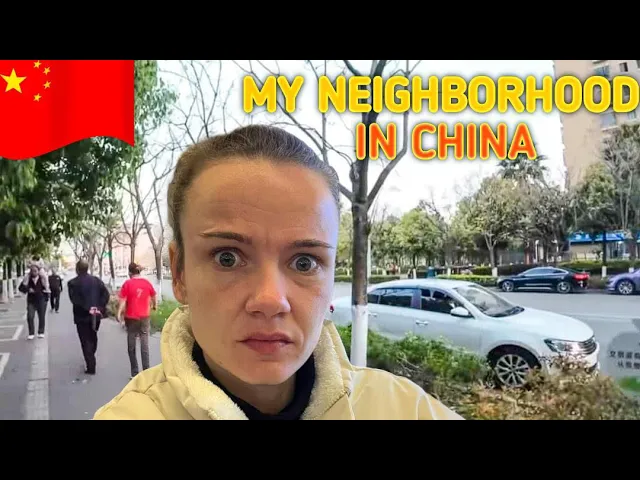
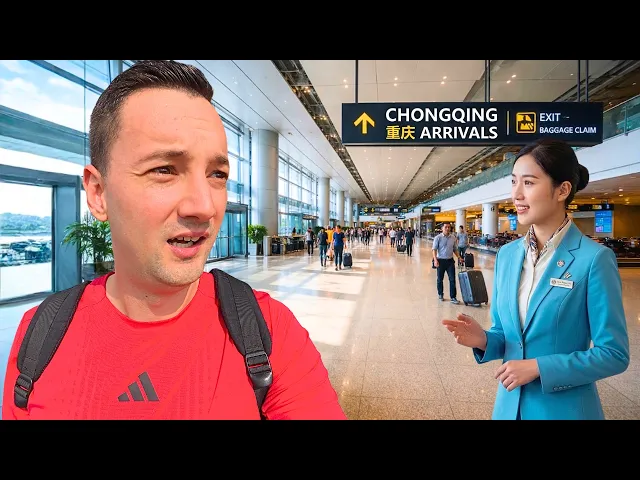
Homelessness in China has become quite the talk, especially on the Western Media. They are convinced that China is hiding their homeless people. I decided to go out in the middle of the night to try and find one, this YouTube channel is about the facts, the real life in China, so lets see what we find.
Lizzy's nighttime Chongqing adventure challenges Western media narratives on homelessness in China. She finds safety and security, contrasting sharply with her experiences elsewhere, showcasing a unique cultural perspective.
Travel Guides & Tips in this video
Lizzy, from South Africa, explores Chongqing at night, aiming to debunk Western media portrayals of China's homeless population. Her journey reveals a surprising absence of homelessness, leading her to explore the reasons behind this. She contrasts this with her experiences in other countries, highlighting the unique aspects of Chinese society, family support, and government initiatives that contribute to a different reality.
Next travel video:
17 min
2024
Homeless in China: A Nighttime Exploration in Chongqing
Homelessness in China has become quite the talk, especially on the Western Media. They are convinced that China is hiding their homeless people.
I decided to go out in the middle of the night to try and find one, this YouTube channel is about the facts, the real life in China, so lets see what we...
Exploring Chongqing: Nighttime Safety & Homelessness in China
Lizzy's journey to uncover the reality of homelessness in China challenges Western media narratives. Her nighttime exploration offers a raw, on-the-ground perspective, revealing a side of China rarely seen. This captivating documentary-style video promises a factual account of life in China, inviting viewers to question preconceived notions and discover the truth for themselves.
More about the current video:(Published on 2024-11-28)
In this video, Lizzy, a South African YouTuber, embarks on a nighttime journey through Chongqing, China, to investigate claims made by Western media about the prevalence of homelessness in the country. Armed with a camera and a healthy dose of skepticism, Lizzy sets out to find evidence of the alleged hidden homeless population. Her exploration takes her through various streets and alleys, under bridges and along quieter roads, all in the dead of night. Instead of finding the expected scenes of destitution, however, Lizzy encounters a surprising lack of visible homelessness. This observation leads her to reflect on the potential reasons behind this phenomenon, contrasting China's situation with the realities of homelessness in countries like the US and the UK.
Lizzy posits that several factors contribute to the lower rates of homelessness in China. She highlights the strong work ethic ingrained in Chinese culture, emphasizing the dedication to education and hard work from a young age. This, she argues, is closely linked to the strong emphasis on family support. Unlike in many Western societies, where young adults may struggle with parental support, Lizzy notes that families in China often actively help their children find employment and provide significant financial support. This unwavering family support acts as a safety net, preventing many from falling into homelessness.
Furthermore, Lizzy points to the relatively low cost of living in China, particularly in terms of housing and food. She cites examples of affordable housing options and the inexpensive availability of meals, demonstrating how readily accessible basic necessities are. She also acknowledges the role of the Chinese government in poverty reduction and support programs, mentioning government assistance for the elderly and relocation assistance for those whose homes are affected by development projects. These measures, she suggests, have significantly contributed to reducing the number of people living on the streets.
Lizzy's exploration also touches upon the contrast between the perceived safety and security of China, particularly at night, and her experiences in other countries. She contrasts the absence of visible begging or street crime with her experiences in South Africa, where she highlights the common occurrence of begging and the anxieties associated with driving at night. She emphasizes the safety she feels walking alone in Chongqing at night, even in less-traveled areas, and notes the absence of any fear or apprehension.
Throughout her journey, Lizzy uses humor and a conversational tone to engage viewers, while also delivering a thoughtful commentary on the social and economic factors influencing homelessness. She uses her experience to challenge the Western media's narrative, suggesting that their portrayal of China is often inaccurate and misleading. Her video aims to offer a more nuanced perspective on the complexities of homelessness in China, highlighting the unique cultural and societal factors that contribute to a different reality than what is often presented in the Western media. Ultimately, Lizzy's video serves as a personal account of her experience, inviting viewers to reconsider their assumptions and to appreciate the multifaceted reality of life in China.