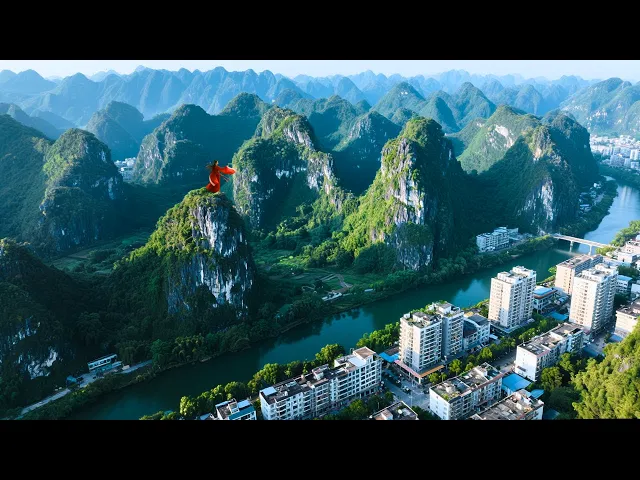
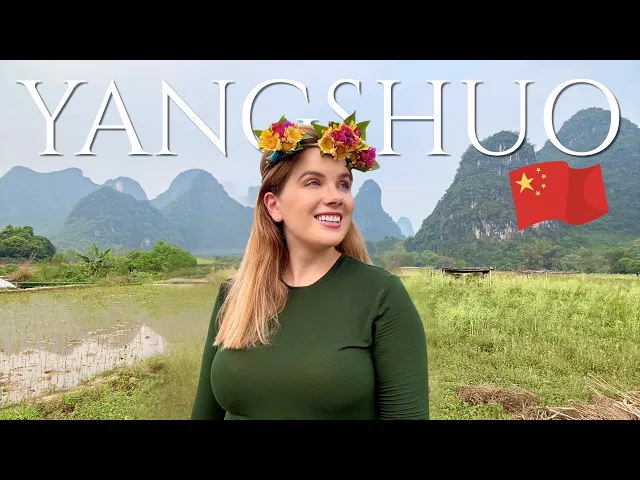
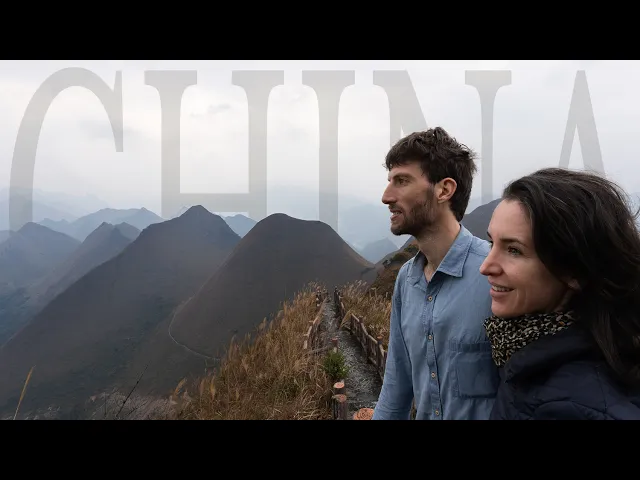
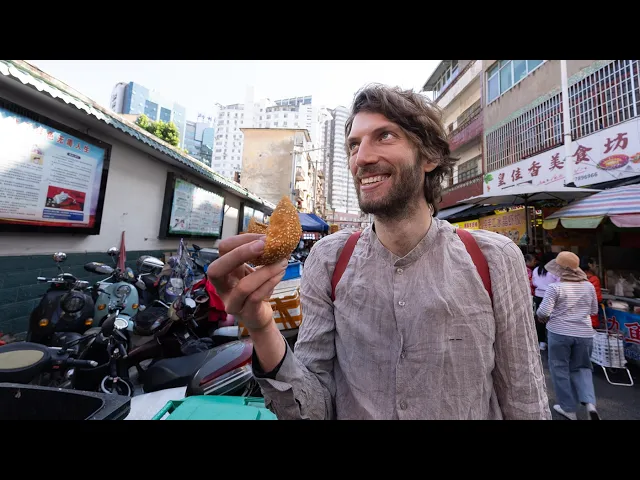
This is Jinchengjiang District in Hechi City, Guangxi Province, celebrated for its dramatic karst scenery and a strong health and longevity culture. The area is framed by mountains, earning it the tag World Karst Landform Museum, with agriculture and mining forming the backbone of its economy. Tourism exists but remains limited by transportation challenges. The video chronicles a daylong exploration from a quick preview through hikes on steep stairs, a visit to a mountain-top viewing platform, peaceful park walks, wandering commercial streets, a stop at the central plaza, time at a civic leisure center, and a riverside stroll. The tone foregrounds wellness and slow living amid striking natural formations, offering a window into a region where economic hardship sits alongside natural grandeur and ancient wellness lore.
CN Walking explores Hechi, China's poorest city amid 10,000 karst mountains, revealing serene parks, steep hikes, and a surprisingly tranquil pace of life.
Travel Guides & Tips in this video
CN Walking takes us to Hechi, Guangxi—one of China's poorest cities, yet a place of stunning contrasts. Nestled among 10,000 karst peaks, this 'World Karst Museum' offers more than just jaw-dropping scenery. It’s a haven of slow living, where steep park stairs lead to mountain-top views, and riverside strolls reveal a community that values health, leisure, and unexpected civility—like drivers who actually yield to pedestrians. A hidden gem for those seeking authentic, unhurried China.
This is Jinchengjiang District, Hechi City, Guangxi Province — one of the poorest cities in China, yet also famous as a Land of Longevity. Located in a geomagnetic wellness belt, it boasts strong geomagnetic fields and high concentrations of negative oxygen ions, making it one of the best areas for...
Exploring Hechi Guangxi: China's Poorest City Amid 10000 Karst Peaks
In this immersive walk through Jinchengjiang District in Hechi City, Guangxi, the creator peels back the layers of one of China’s poorest areas to reveal a place of surprising depth and beauty. The video frame captures a dramatic karst landscape that circles the city like a natural fortress, earning Jinchengjiang the nickname World Karst Landform Museum. Yet beyond the scenery the film leans into the paradox at the heart of the place: poverty coexists with health legends and centuries-old longevity belts. The narrator guides us up steep stairs into a life of slow living and small-scale rhythms, where agriculture and mining anchor the local economy and transportation challenges shape tourism development. The journey shifts through a menu of experiences—from the challenge and reward of steep hikes to tranquil park strolls, bustling commercial streets, a central plaza’s civic pulse, and quiet moments by the riverside. Throughout, the video emphasizes wellness, geomagnetic phenomena, and a
Attractions in this video: Jinchengjiang Park, World Karst Museum, Bama Longevity Village, Hechi Riverside
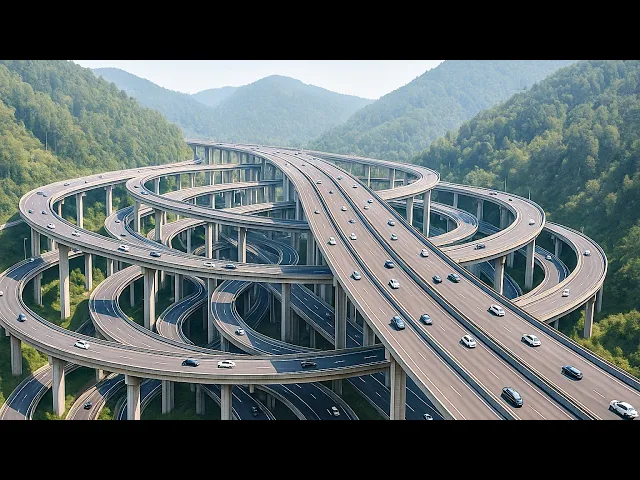
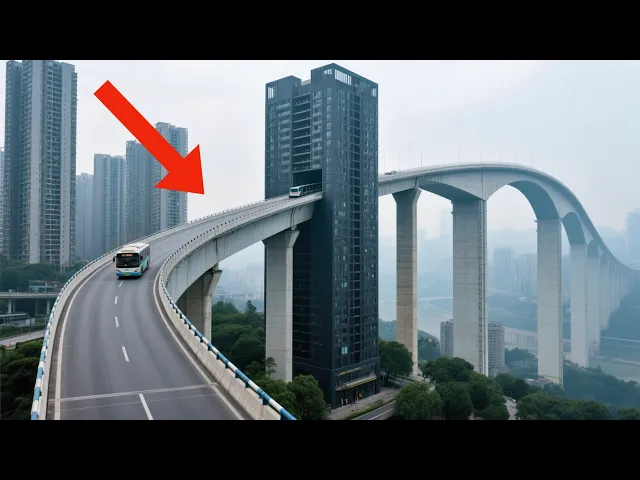
China's Interchange is Practically a Maze!— There's a Hidden Park Below!
China's Multi-Layer Interchange With a Hidden Park Beneath
More about the current video:(Published on 2025-04-27)
In this exploration of Hechi City, Guangxi—one of China's poorest yet most visually striking regions—CN Walking documents a day of stark contrasts and serene discoveries.
The journey begins at Jinchengjiang Park, a free-entry green space that demands a punishing climb of hundreds of steep stairs, equivalent to a 30-story building. Despite the difficulty, locals flock here daily for exercise and leisure, a testament to the region's wellness culture. At the summit, a peaceful square offers breathtaking views of the surrounding karst peaks, which number in the tens of thousands, earning the area the title 'World Karst Museum.'
Descending into the commercial heart of the city, the bustling street scene is loud with loudspeaker ads—a common Chinese practice that only Shanghai has banned. Most shops sell clothing, but the real character emerges along the riverside walkway. Here, elderly vendors set up stalls not out of necessity, but for fun and leisure, selling calligraphy, antiques, herbs, books, and even creatively designed shoe carts. Others gather to play cards or Chinese chess, embodying a slow, community-driven pace of life.
Surprising details elevate the experience: drivers here actively yield to pedestrians—a rare courtesy in China—and the river is remarkably clean, almost free of litter. CN Walking also notes the region's geomagnetic health belt, high in negative oxygen ions, which partly explains why Bama Yao County under Hechi is world-famous as a longevity town. The hills, though beautiful, are dotted with graves and unsuitable for farming due to the rugged terrain.
The narrative weaves economic hardship with natural grandeur and ancient wellness lore, offering a nuanced portrait of a city where poverty and vitality coexist. It's not a tourist hotspot, but for those seeking authentic slow living amid dramatic karst landscapes, Hechi is an unforgettable discovery.
FAQs (From the traveler's perspective)
Q: What makes Hechi a good place for retirement?
A: It's on a geomagnetic health belt with high negative oxygen ions, making the air very clean. Bama County under Hechi is world-famous as a longevity town.
Q: Is the park difficult to climb?
A: Yes, Jinchengjiang Park requires climbing hundreds of steep stairs, equivalent to a 30-story building. But it's free and many locals do it daily for exercise.
Q: What can you find at the riverside stalls?
A: Elderly locals sell calligraphy, antiques, herbs, books, and even creatively designed shoe carts. They do it for fun and leisure, not out of financial need.